A simple way to start with home fragrance
Home fragrance is one of the easiest ways to change how a room feels. Before you move a piece of furniture or repaint a wall, scent can make a space feel cleaner, warmer, calmer, brighter or more welcoming. The challenge for beginners is that the choices can look confusing at first: essential oils, fragrance oils, diffusers, atomisers, oil burners, reed diffusers, wax melts, simmering granules and room scents all sit in the same broad world, but they do not all work in the same way.
The best starting point is not to ask, “What is the strongest scent?” It is better to ask, “What do I want this room to feel like, and how do I want to use the fragrance?” A hallway may need something fresh and light. A living room may suit something warmer and more comfortable. A bathroom may need a clean scent. A bedroom usually works better with something soft and not too heavy.
This guide explains the main home fragrance options in plain language, so you can choose the right product for the room, the mood and your daily routine. If you already know you want to browse the full range, start with Aroma Sentia’s Aromatherapy & Home Fragrance collection.

First decide how you want the room to feel
A good home fragrance choice begins with atmosphere, not product type. Think about the room before you think about the bottle.
Fresh citrus, herbal and clean scents often work well in kitchens, entrances, utility spaces and work areas because they feel bright and open. Soft floral, powdery and gentle woody scents usually suit bedrooms, dressing areas and quiet corners. Warm spice, amber, resin, vanilla and deeper woody notes often feel better in living rooms, reading spaces and evenings at home.
The same scent can also behave differently depending on the room. A strong sweet fragrance may feel cosy in a larger living room but too heavy in a small bathroom. A crisp citrus oil may feel uplifting in a hallway but too sharp beside a bed. Beginners often buy by scent name alone, but room size, air flow and personal taste matter just as much.
If you are unsure, begin with lighter scents and build slowly. A home should smell inviting, not overpowering.
Essential oils: natural botanical scent
Essential oils are concentrated aromatic extracts from plants. They are chosen for their natural botanical character: citrus peel, flowers, herbs, woods, resins, mint and other plant scent families. They are popular for diffusers, oil burners and carefully diluted blends because they feel close to the source plant.
Essential oils are a good choice if you want your home fragrance routine to feel simple, natural and plant-led. Orange, lemon and grapefruit-style oils feel fresh and bright. Lavender and geranium-style oils feel softer. Peppermint, rosemary and eucalyptus-style oils feel crisp. Cedarwood, frankincense and patchouli-style oils feel deeper and more grounding.

Because essential oils are concentrated, they should be used carefully. Do not assume that natural means gentle in every situation. Follow the product label, use suitable devices, keep oils away from eyes and children, and use proper dilution if an oil is intended for skin or massage use. Essential oils are best treated as strong aromatic products, not casual perfumes.
Fragrance oils: scent variety and room impact
Fragrance oils are created for scent performance and variety. They can smell floral, fruity, woody, sweet, fresh, spicy, clean, seasonal or completely imaginative. This makes them useful when you want a specific room fragrance rather than a purely botanical aroma.
Fragrance oils are often chosen for oil burners, wax melts, candles, soaps, simmering granules and decorative home scent projects. They are especially helpful when you want aromas that cannot easily be captured from a plant, such as fresh linen, warm bakery notes, ocean-style scents, soft powder, vanilla blends or seasonal home fragrances.
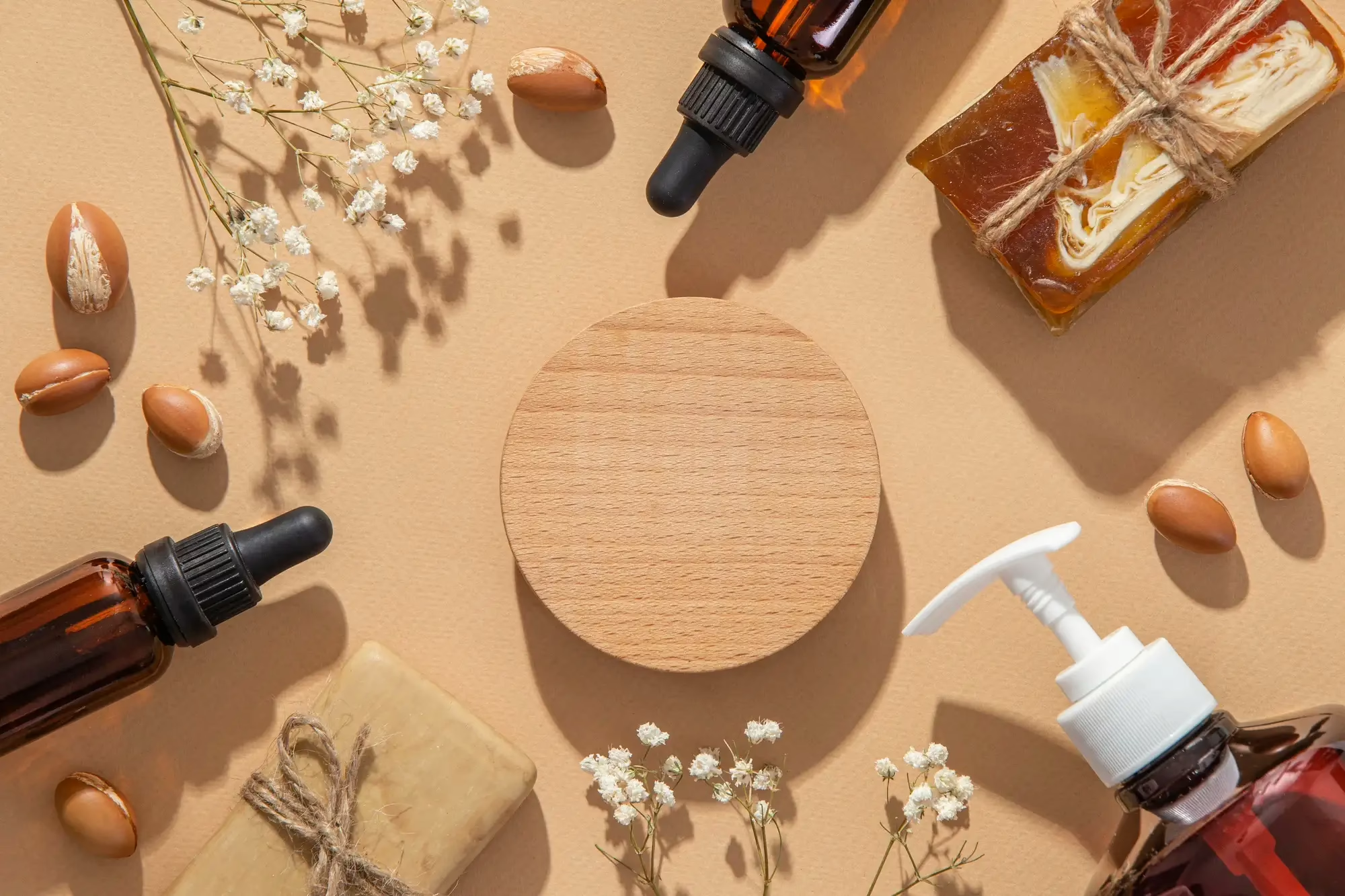
The main benefit is choice. If you like changing the atmosphere of your home by season, room or occasion, fragrance oils give you more options. The important point is to use them according to the product instructions. A fragrance oil is not automatically suitable for every device or every skin recipe. It is a concentrated scent product and should be treated with care.
If you are choosing between essential oils and fragrance oils, read our guide to Essential Oils vs Fragrance Oils: What’s the Difference?.
Diffusers and atomisers: easy everyday scent
Diffusers and atomisers are popular because they make fragrance feel simple. They are often used for everyday room scenting, especially when someone wants a gentle routine that does not involve a flame.
A diffuser spreads scent into the air using the method designed into the device. Some are made for essential oils, some suit fragrance oils, and some have specific usage requirements. This is why the device instructions matter. A beautiful oil is only useful if it matches the diffuser you plan to use.
Diffusers suit bedrooms, studies, living rooms and calm daily routines. They are also good for people who prefer a lighter scent spread rather than the warmer, more direct fragrance of a burner. Start with a small amount and increase only if needed.
Oil burners: warm and traditional home fragrance
Oil burners create a more traditional scent ritual. They usually use gentle heat to release aroma from oil and water or from a suitable fragrance product, depending on the design. They can feel decorative as well as practical, especially in living rooms, hallways and evening spaces.
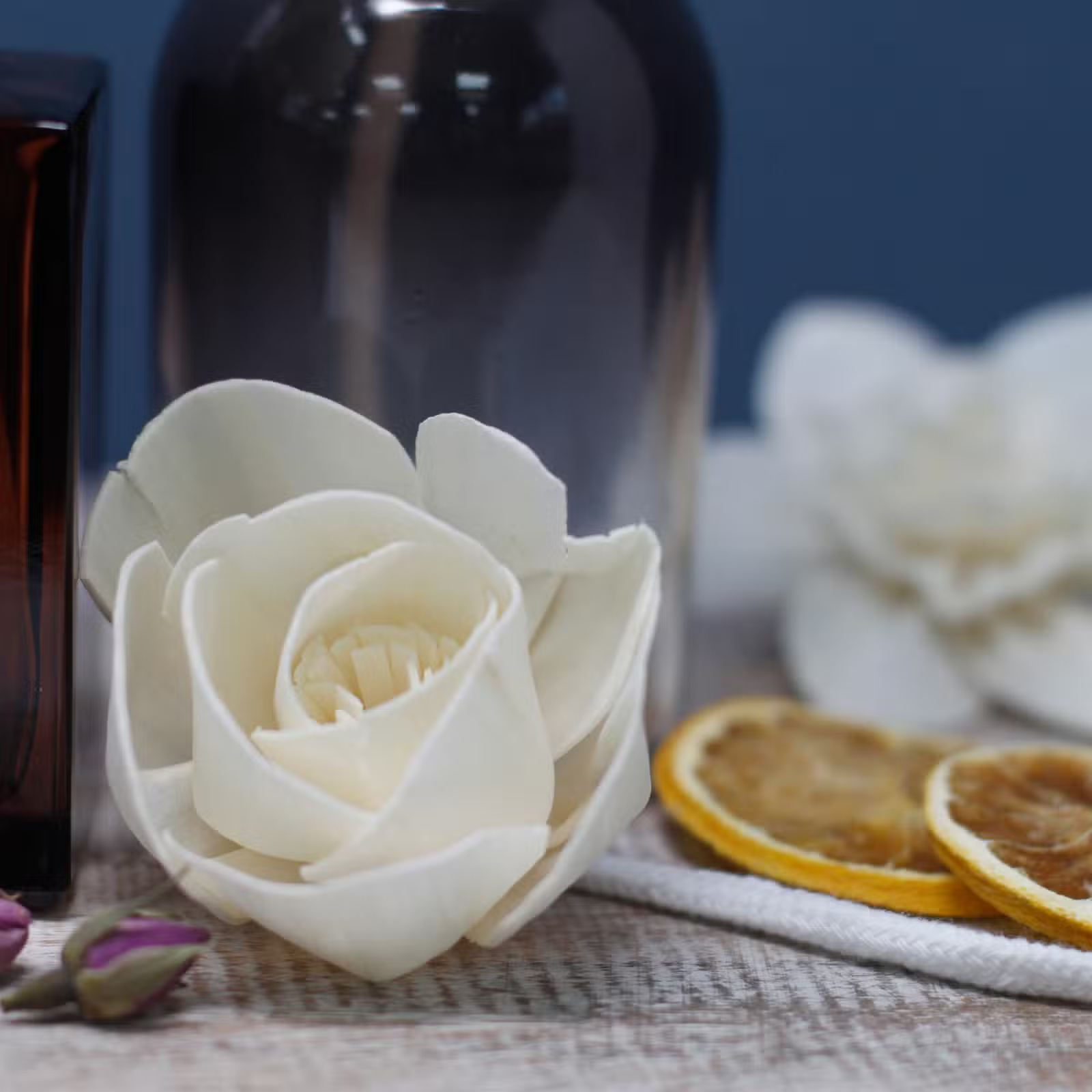
Oil burners are useful when you want a clear room scent for a shorter period. They are often paired with essential oils for botanical aroma or fragrance oils for stronger decorative scent. Always check the burner instructions and never leave a heated fragrance method unattended.
The advantage of an oil burner is control. You can choose the scent, the amount and the moment. It turns home fragrance into a small ritual rather than a background product.
Reed diffusers: low-effort continuous fragrance
Reed diffusers are ideal when you want a room to smell pleasant without switching on a device or lighting anything. Reeds absorb fragrance from the bottle and release it gradually into the air.
They work well in entrances, bathrooms, guest rooms, dressing areas and smaller living spaces. They are especially useful when you want a consistent background scent rather than a fragrance session. The scent is usually softer than an oil burner, but it is always present.
Placement matters. A reed diffuser near a doorway or gentle air flow may spread scent more easily. In a very small room, use fewer reeds or choose a lighter scent. In a larger room, you may need a stronger fragrance or more than one scent source.
Wax melts: cosy scent without choosing an oil
Soy wax melts are simple, decorative and beginner-friendly. Instead of adding drops of oil, you place a wax melt in a suitable warmer and let the fragrance release as the wax softens.
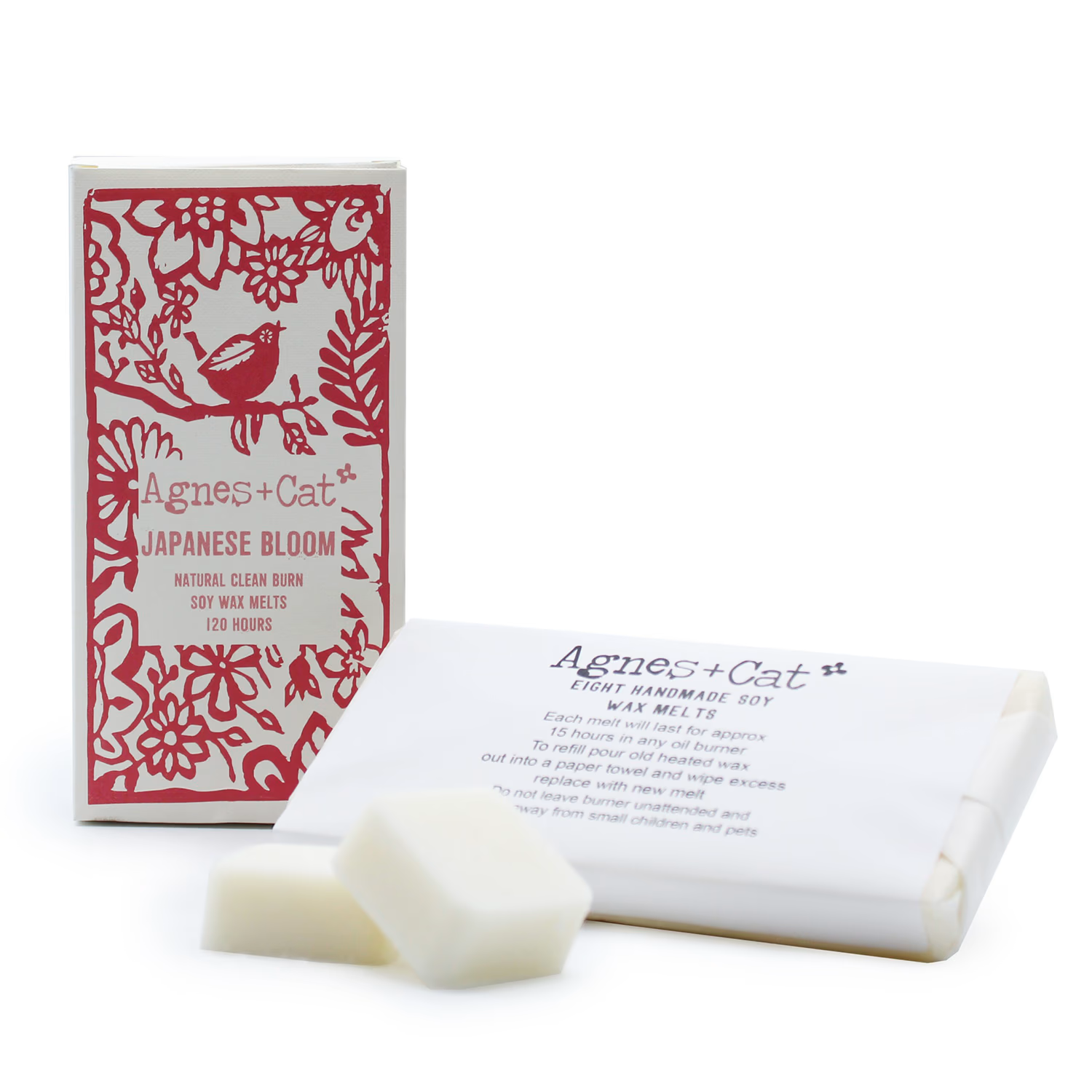
Wax melts are especially good for cosy rooms, evenings, seasonal displays and customers who prefer a ready-made fragrance experience. They often suit warm, sweet, spicy, fruity and comforting scents. They are also useful for gifting because they feel easy to understand.
The key is not to overuse them. One wax melt can often scent a room more strongly than expected. Begin with one piece, let it warm, and judge the room after a little time rather than adding more immediately.
Simmering granules and home scents
Simmering granules and broader home scents are useful when you want a simple decorative scent option that does not require building a full oil collection. They can be especially helpful for customers who enjoy seasonal displays, room styling and quick fragrance changes.
These products are often chosen for atmosphere rather than aromatherapy-style routines. Think of them as part of the home’s styling: scent, colour, texture and occasion working together.
If you are a beginner, this can be the easiest category to try after oils and wax melts. Choose by room and scent mood rather than trying to build a complicated system.
How to choose by room
For a hallway, choose something welcoming and clean. Citrus, fresh linen-style fragrance, light florals and gentle herbal notes work well because the scent creates a first impression without needing to be heavy.
For a living room, choose something with warmth and depth. Woody, resinous, amber, vanilla, spice and soft floral scents can make the room feel more comfortable. This is also where oil burners and wax melts often work well.
For a bedroom, choose something softer. Lavender-style, powdery, gentle floral, light wood and mild resin notes usually feel better than sharp or very sweet scents. Keep the fragrance light because a bedroom should not feel crowded by scent.
For a bathroom, choose fresh and clean aromas. Citrus, minty, herbal, aquatic-style and light floral fragrance oils can work well. Reed diffusers and small scent accents are especially useful here.
For a kitchen, avoid very sweet or perfume-heavy scents if they clash with food. Citrus, herbal, green and clean notes are usually safer.
A beginner starter set
A simple starter set does not need many products. Choose one everyday scent method, one stronger scent method and one decorative scent option.
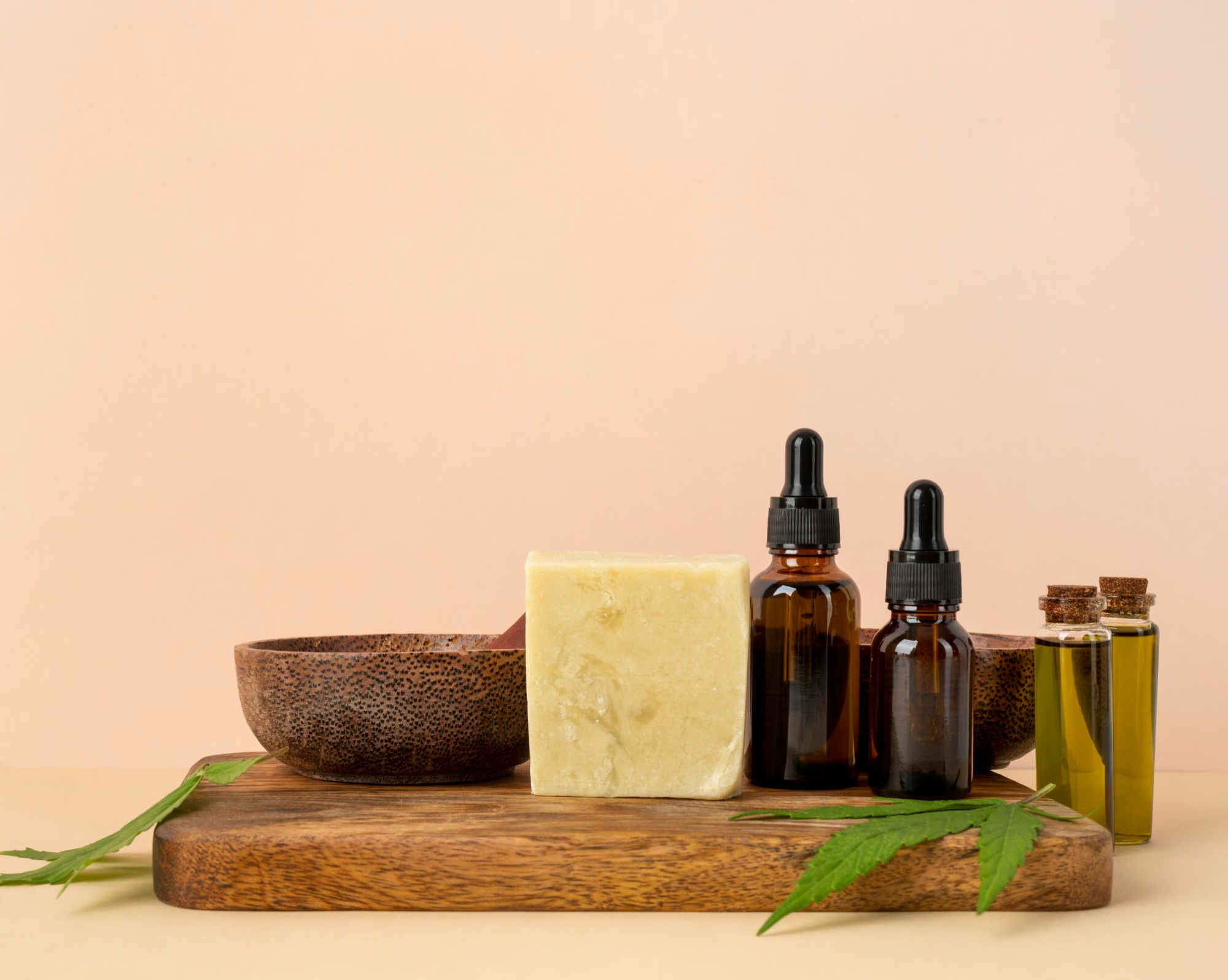
A balanced home fragrance starter set could include a diffuser or burner, one essential oil, one fragrance oil, one wax melt scent and one reed diffuser for a bathroom or hallway. This gives you enough variety to understand what you like without buying too much at once.
If you prefer natural botanical scent, build around essential oils first. If you prefer strong room fragrance and seasonal variety, build around fragrance oils and wax melts first. If you want low-maintenance background scent, start with reed diffusers.
Common mistakes beginners make
The most common mistake is using too much fragrance. A room should have a scent you notice pleasantly, not one that follows you around the house. Start light, then adjust.
Another mistake is using the wrong product for the wrong method. Not every oil belongs in every diffuser, burner, wax warmer or skin recipe. Always match the product to the device and read the instructions.
A third mistake is choosing only by online descriptions. Scent is personal. Use scent families as a guide, but trust your own reaction. If you dislike heavy sweet scents, do not force yourself to use them because they are popular.
Finally, do not try to make every room smell different at full strength. A home feels more elegant when the scent journey is balanced: fresh at the entrance, soft in quiet rooms, warm in social rooms and clean in practical spaces.
Final guidance
Home fragrance is not about finding one perfect product. It is about choosing the right scent method for the room and the moment. Essential oils bring botanical character. Fragrance oils bring variety and strength. Diffusers and atomisers make scent easy. Oil burners add warmth and ritual. Reed diffusers provide background fragrance. Wax melts create cosy, decorative scent moments.
Start with one room, one mood and one method. Once you understand what you enjoy, building a home fragrance collection becomes much easier.
Continue with more detailed home fragrance guides
If you want to compare the main ways to scent a space, read the full guide to diffusers, atomisers and oil burners, then continue with the dedicated oil burners guide, reed diffusers guide and soy wax melts guide.
For choosing scent by space and routine, use the home scents guide and home fragrance by room guide. If you want seasonal ideas, continue with the seasonal scents guide and the Christmas scents guide.
For practical products and accessories, see the guides to base oils and carrier oils, simmering granules, fragrance bottles and accessories and car diffusers.
Frequently asked questions
What is the easiest home fragrance option for beginners?
A reed diffuser or wax melt is often the easiest because the scent is already prepared. If you prefer oils, start with one diffuser or oil burner and a small number of familiar scents.
Are essential oils better than fragrance oils for home fragrance?
Essential oils are better if you want a natural botanical aroma. Fragrance oils are better if you want stronger scent variety, seasonal fragrances or decorative home scenting. Many homes use both.
What is best for making a room smell cosy?
Warm woody, amber, vanilla, spice, resinous and soft floral scents often make a room feel cosy. Wax melts, oil burners and warmer fragrance oils usually work well for this mood.
What should I use in a bathroom?
Fresh, clean, citrus, herbal, minty or light floral scents usually suit bathrooms. Reed diffusers and small home scent products are practical because they provide steady background fragrance.
Can I mix different home fragrance products?
Yes, but keep it balanced. It is better to use one main scent family through nearby rooms than to combine several strong fragrances at once.