Seasonal scenting makes the home feel intentional
Seasonal scenting is one of the easiest ways to make a home feel refreshed without changing the whole room. A different fragrance can make spring feel cleaner, summer feel lighter, autumn feel warmer and winter feel more comforting. The shift does not need to be dramatic. Even one carefully chosen fragrance oil in the living room, hallway or bathroom can change the atmosphere of the space.
Fragrance oils are especially useful for seasonal home scenting because they can capture scent styles that are difficult to create with single botanical oils alone. Fresh linen, amber, vanilla, coastal air, baked fruit, pine, soft musk and festive spice all sit naturally in the world of crafted home fragrance. If you want a botanical scent routine, Essential Oils & Blends can work beautifully. If you want a wider range of seasonal moods, Fragrance Oils give you more creative freedom.

How to choose a seasonal home fragrance
A good seasonal fragrance starts with the room, not just the bottle. A bedroom usually needs a softer scent than a hallway. A kitchen can handle citrus, herbs or clean fruit better than heavy vanilla. A living room can carry warmer fragrance oils, especially in the evening. Bathrooms often suit fresh, green, floral or clean scents because they make the space feel brighter.
Think about intensity too. Warm weather can make fragrance feel stronger, so summer scents often work best when they are lighter and cleaner. Cold weather can carry richer notes, so autumn and winter can handle woods, spice, amber and gourmand scents more comfortably. The goal is to match the fragrance to the season, the room size and how long you want the scent to last.
For a wider overview of scent formats, the Beginner’s Guide to Home Fragrance explains how oils, burners, diffusers and wax melts fit together.
Spring scents: fresh, floral and green
Spring is the season for scents that feel open, clean and renewing. Fresh florals, green leaves, soft herbs, light fruits and delicate citrus notes all work well. Spring fragrance should usually feel airy rather than heavy, especially after the richer home scents of winter.
Floral fragrance oils such as rose, jasmine-style notes, peony, lily, cherry blossom and soft garden blends can bring a gentle seasonal lift. Green notes such as grass, cucumber, bamboo, tea leaf and fresh herbs can make a room feel calm and uncluttered. A small amount of citrus can keep a floral blend from becoming too powdery.
Spring scents work especially well in bedrooms, bathrooms, entrance areas and home offices. Use them where you want the room to feel freshly reset. If the scent feels too sweet, balance it with green or clean notes. If it feels too sharp, soften it with floral or musk-style warmth.
Summer scents: citrus, tropical and airy
Summer fragrance should feel bright and breathable. Citrus, tropical fruit, coconut, aquatic notes, sea salt, fresh herbs, light florals and clean musks can all suit warm weather. In summer, less fragrance often works better. Heat can make scent feel stronger, so a lighter touch keeps the room comfortable.
Citrus notes such as lemon, lime, grapefruit, bergamot and sweet orange are natural choices for kitchens, bathrooms and daytime living spaces. Tropical notes such as coconut, mango, pineapple and melon can feel playful in casual rooms, while marine and aquatic fragrances can create a clean coastal effect.
For summer evenings, try softer combinations such as citrus with light woods, coconut with soft musk, or tropical fruit with a gentle floral. These scents feel seasonal without turning the room into something overly sweet.
Autumn scents: spice, woods and amber
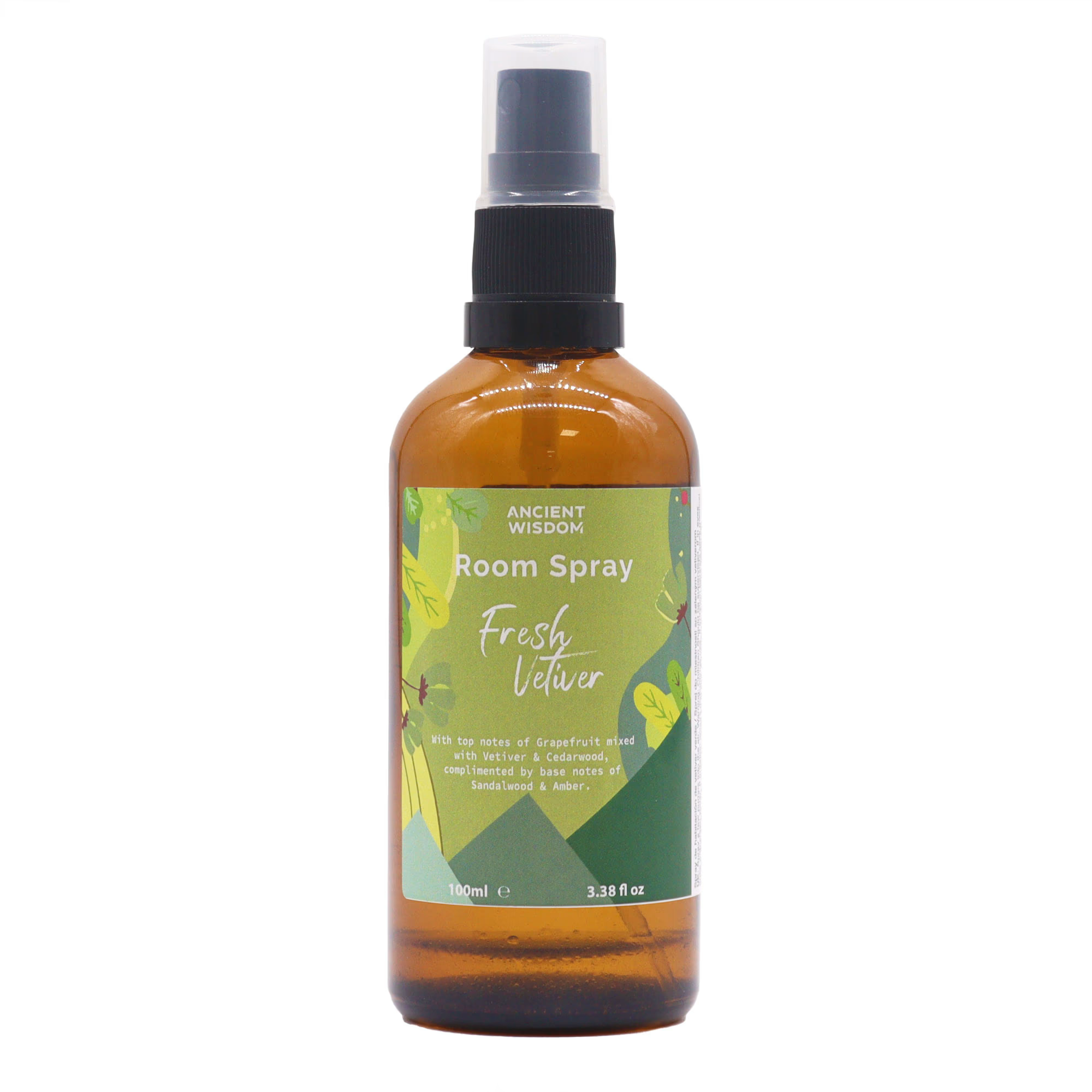
Autumn is where warmer fragrance oils begin to shine. Spice, woods, amber, apple, pear, fig, vanilla, resin and earthy notes can make a home feel more grounded. These scents are especially effective in living rooms, hallways and evening spaces where you want a warmer atmosphere.
Cinnamon-style spice, clove, nutmeg, cardamom and ginger can feel instantly autumnal, but they are strongest when balanced. Pair spice with orange, apple, woods, amber or vanilla to make it rounder. Woody notes such as cedar, sandalwood, patchouli-style accords and smoky woods bring depth without needing to be sweet.
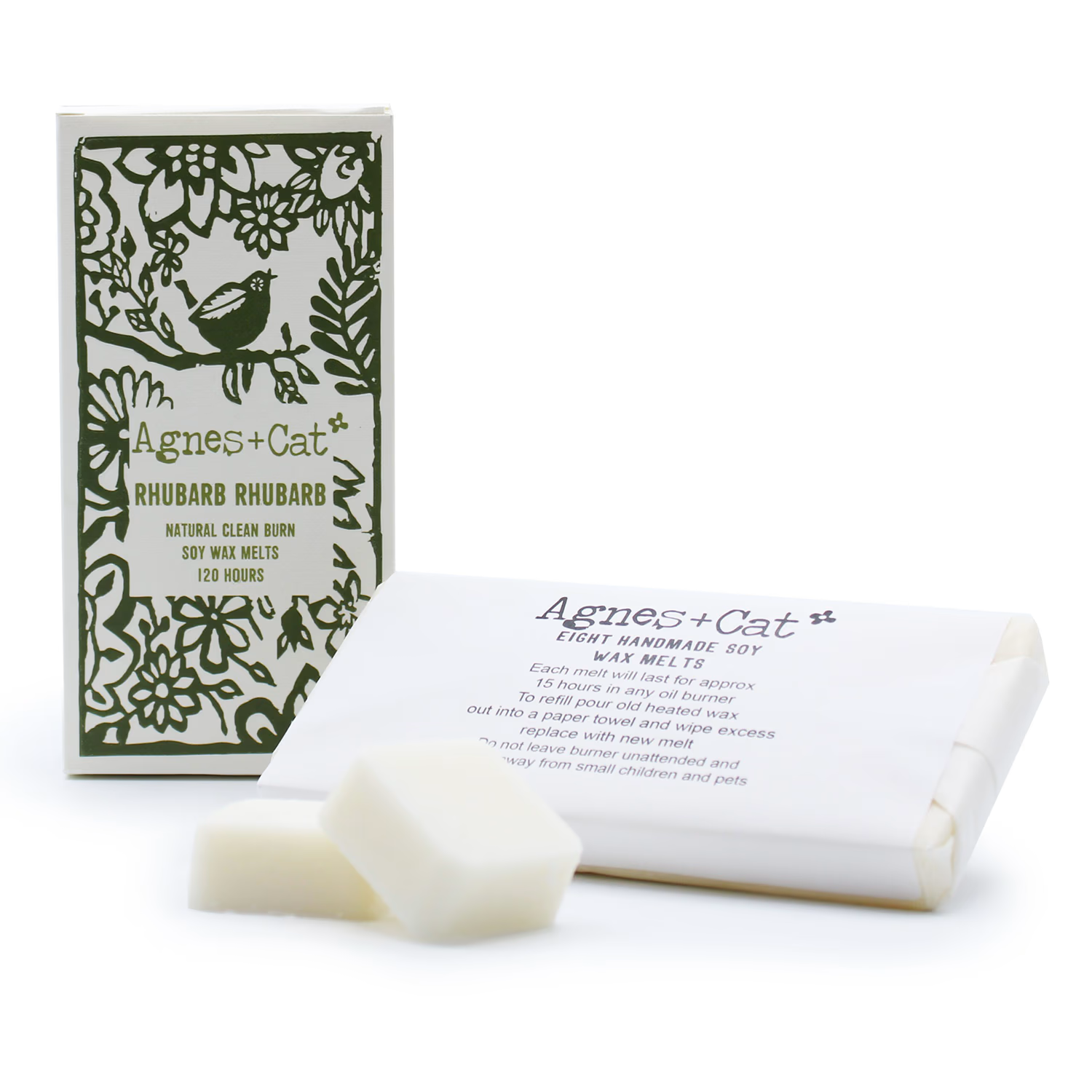
Autumn is also a strong season for Soy Wax Melts because the format feels cosy and decorative. A wax melt warmer in a living room can create a slow, comforting fragrance ritual that suits shorter days and cooler evenings.
Winter scents: cosy, festive and comforting
Winter scents can be deeper, sweeter and more enveloping than the rest of the year. Pine, fir, cedar, amber, frankincense-style resin, orange, cranberry, cinnamon, vanilla, chocolate, coffee, caramel and soft musk can all work well. The key is choosing whether you want the room to feel festive, cosy, clean or luxurious.
For a festive mood, combine evergreen notes with citrus or spice. For a cosy living room, choose vanilla, amber, sandalwood or gourmand fragrance oils. For hallways and entrances, pine, cedar and fresh winter woods can feel welcoming without becoming too sweet.
Winter is also a useful time to rotate scent by occasion. You might use a fresh pine fragrance during the day, then switch to amber or vanilla for the evening. For gifting, winter scents often feel especially natural because they pair well with burners, melts, home scent sets and seasonal packaging.
Matching fragrance oils to the right method
The same scent can feel different depending on the method. An Oil Burner can create a stronger, more immediate scent ritual, while wax melts give a slower decorative experience. Home Scents are useful for everyday room fragrance, and Simmering Granules can be a practical mess-free option for burner use.
If you want continuous background scent, choose a subtle method and avoid overly heavy fragrances. If you want scent for a specific moment, such as guests arriving or a cosy evening, a burner or wax melt may suit the mood better. Always follow the product guidance for the method you are using.
How to rotate seasonal scents without overbuying
You do not need a large fragrance collection to enjoy seasonal scenting. A simple rotation can be enough: one fresh scent, one cosy scent and one everyday scent. Use them in different rooms instead of buying a new fragrance for every space.
For example, keep the bathroom fresh all year, use a brighter citrus or floral scent in spring and summer, then move the living room toward amber, woods or spice in autumn and winter. Bedrooms can stay softer and more neutral, while hallways can carry a more noticeable welcoming fragrance.
Keeping a small rotation also helps you learn what you actually enjoy. If you keep reaching for the same warm amber fragrance every autumn, that is useful information. It may become your signature seasonal scent.
Blending fragrance oils for seasonal style
Blending can be enjoyable, but it should stay simple. Start with two fragrance oils rather than five. Pair a bright note with a soft note, or a rich base with something fresh. Citrus and floral can work well for spring. Coconut and citrus can suit summer. Apple and spice feel autumnal. Pine and vanilla can feel wintery.
Test small amounts before committing to a larger blend. Keep notes on what you used, how many drops you added and which room you tried it in. Some combinations smell beautiful from the bottle but become too heavy in a warm room or too faint in a large space.
If you are comparing fragrance oils with botanical essential oils, read Essential Oils vs Fragrance Oils before blending, because each type behaves differently.
Seasonal scenting for gifts and guests
Seasonal fragrance is useful for gifting because it feels thoughtful without needing to know every detail of someone’s taste. Spring florals, summer citrus, autumn spice and winter vanilla or pine all communicate a mood quickly. Wax melts, oil burners and home scent products can also make easy gift pairings.
For guests, choose scents that are welcoming but not overpowering. Hallways and living rooms can carry a little more fragrance than dining spaces. Avoid very heavy food-like scents right before meals, and keep bathrooms or entryways clean and fresh.

Safety and comfort with seasonal fragrance
Seasonal scent should make the home feel better, not stronger. Use fragrance oils according to the product instructions and keep them away from children, pets, heat and direct sunlight. Never leave burners unattended, and do not assume every fragrance oil is suitable for every candle, soap, bath or skin project.
Ventilation matters. If a scent feels too strong, reduce the amount, shorten the session or move it to a larger room. If someone in the household dislikes a fragrance or reacts badly to it, choose something lighter or stop using it. Comfort is more important than intensity.
Related seasonal fragrance guides
For more room-by-room and occasion-based scent planning, read the home fragrance by room guide, the home scents guide, the soy wax melts guide and the Christmas scents guide.
For seasonal scents and the full range behind them, browse the aromatherapy and home fragrance collection.
Frequently asked questions
What scents are best for spring?
Spring usually suits fresh florals, green notes, soft herbs, light citrus and airy fruit scents. Choose fragrances that make the room feel clean, open and gently refreshed.
What fragrance oils work well in summer?
Citrus, tropical fruit, coconut, aquatic notes, sea salt, light florals and fresh herbs work well in summer. Use a smaller amount in warm weather because fragrance can feel stronger.
What are good autumn home scents?
Autumn suits spice, woods, amber, apple, pear, fig, vanilla and resinous notes. Pair spice with fruit, woods or amber so the scent feels rounded rather than sharp.
Which scents feel most wintery?
Pine, fir, cedar, amber, frankincense-style resin, orange, cranberry, cinnamon, vanilla, chocolate, coffee and warm gourmand notes all suit winter rooms and seasonal gifts.
Can I use the same fragrance oil all year?
Yes. If you have a signature home scent you love, keep using it. Seasonal scenting is optional; it simply gives you a way to refresh different rooms through the year.