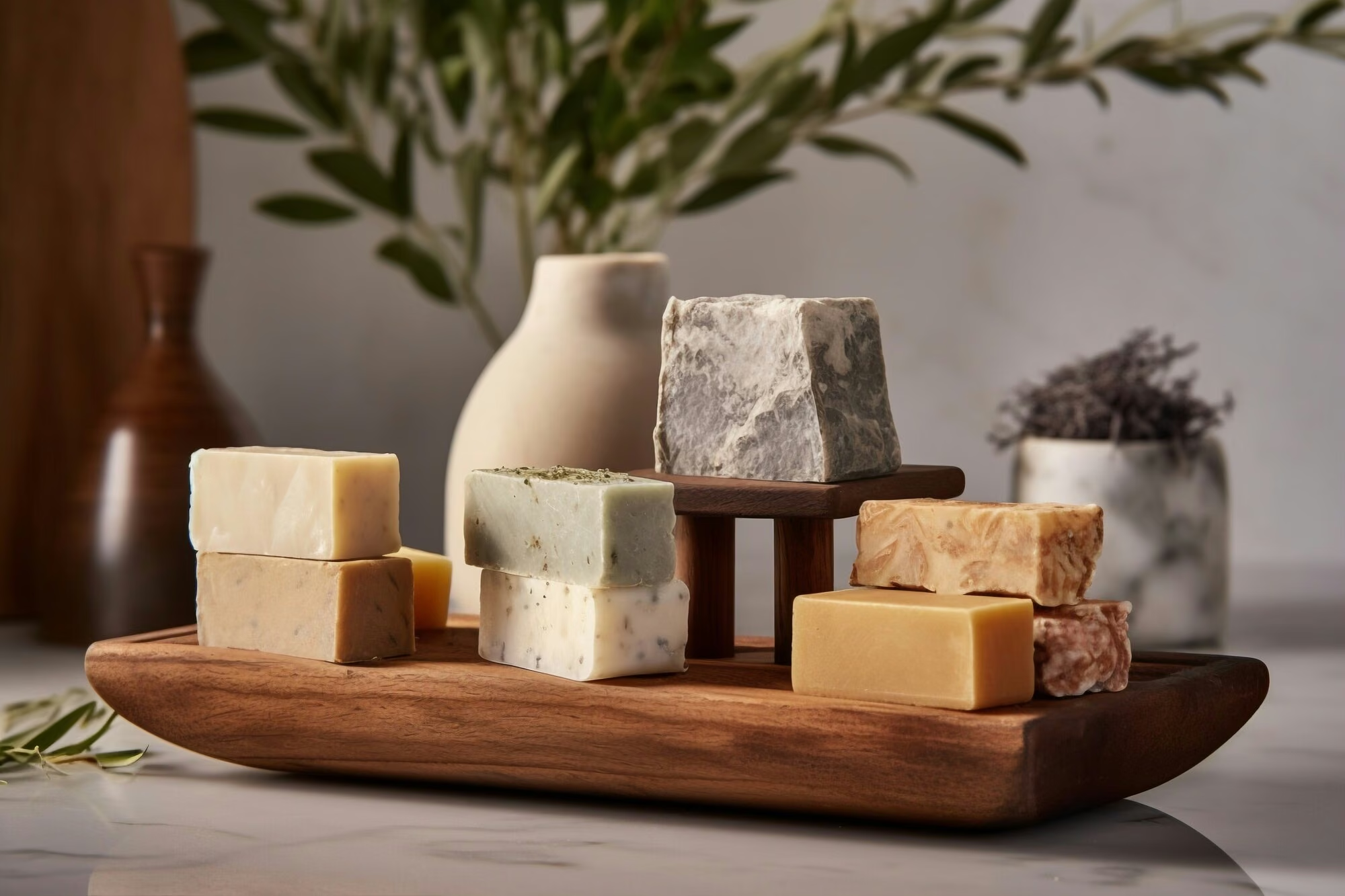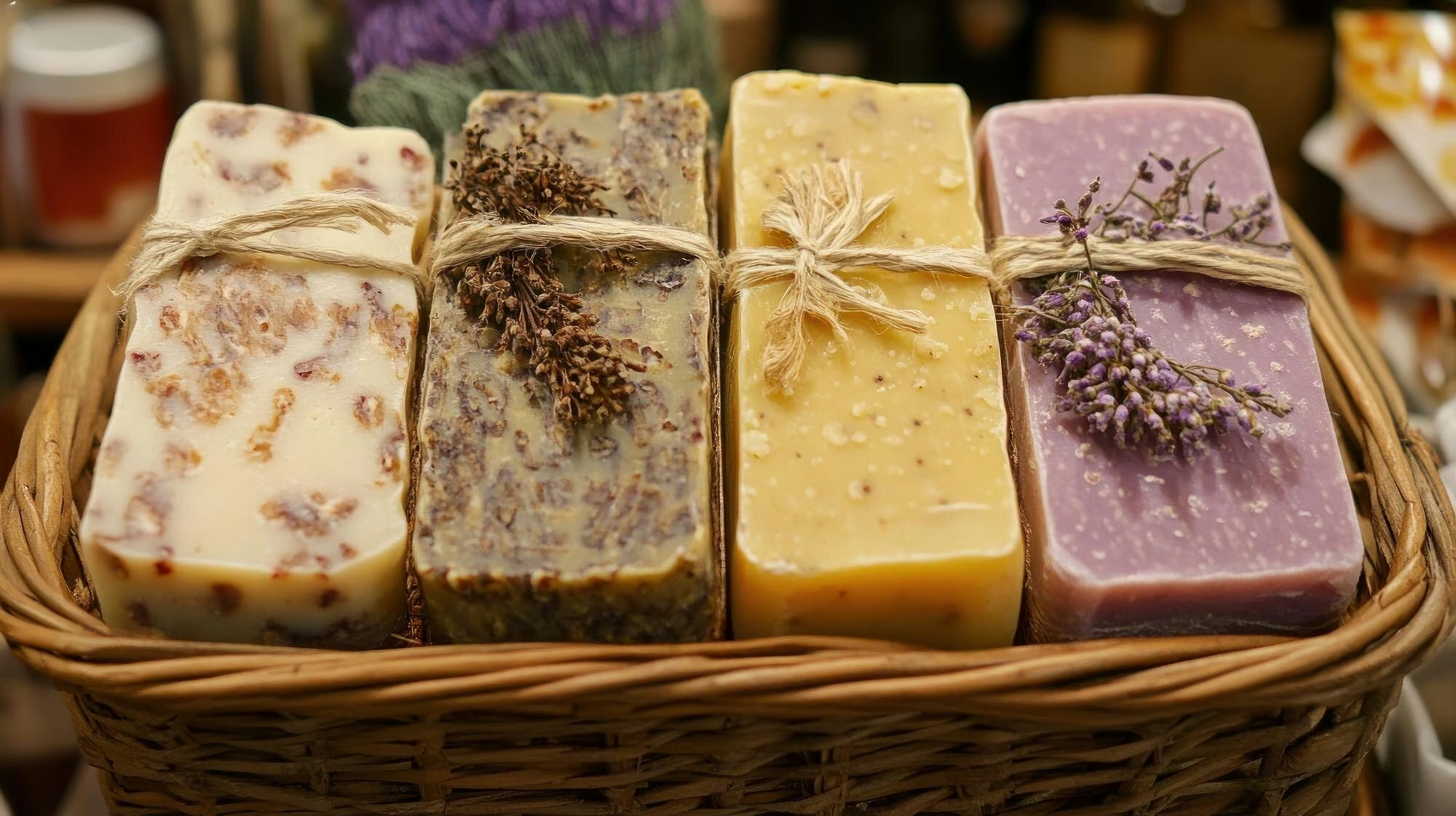
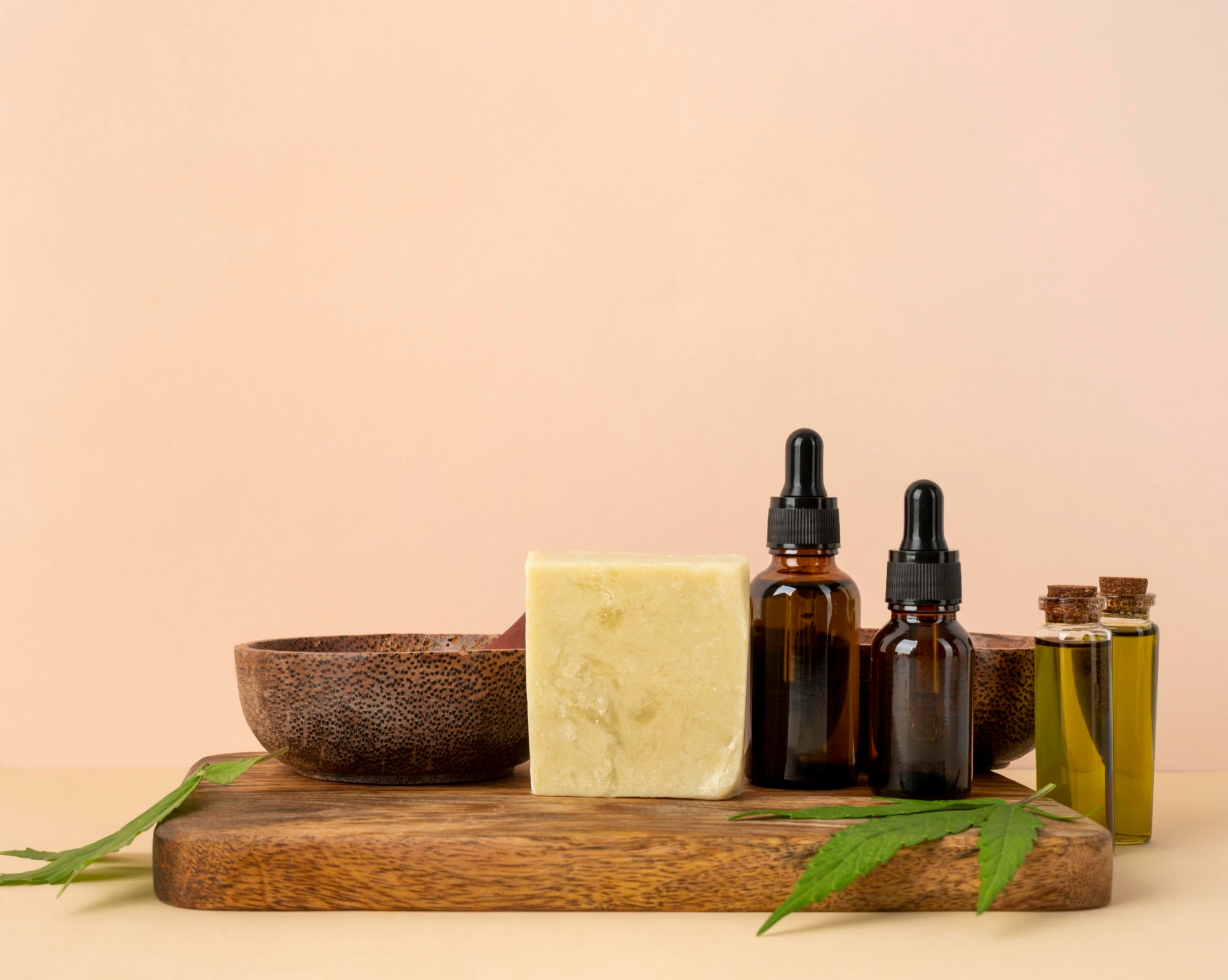
The scent of a handmade soap comes from the essential oils blended into it. Unlike synthetic fragrance, pure essential oils bring natural, plant-based aroma – and the choice of oil does more than make the bar smell nice. It sets the mood of your shower, pairs with the soap base and, for some people, matters for how comfortable the bar feels on their skin.
Choosing the right essential oils for soap is simpler than it looks. Start with the mood you want from your wash, then pick a scent family that suits your routine and your skin. This guide maps the best essential oils for handmade soap, explains which notes suit mornings, evenings and sensitive skin, and shows how to match the scent to the soap base.
How essential oils scent natural soap
In handmade soap, essential oils are added during the soapmaking process, where they carry the bar’s fragrance alongside the plant oils and butters that make up its base. The natural glycerin retained in the bar helps the scent feel softer and more rounded than the sharp perfume of a synthetic detergent bar. That is why the Natural Soaps collection describes its bars as scented with pure essential oils and botanical extracts rather than synthetic fragrance.
The scent you smell in the shower is the same family of oils you would find in the essential oils range – citrus oils, florals, woods, herbs and spices. The difference is that in soap the oil is blended into the bar, so the aroma is carried on the lather as you wash.
The best essential oils for soap by mood
| Scent family | Oils | Mood | Best in |
|---|---|---|---|
| Citrus | Sweet orange, lemon, grapefruit, bergamot | Bright, fresh, energising | Morning showers, summer bars |
| Mint | Peppermint, spearmint | Cool, awakening, invigorating | Morning washes, after sport |
| Floral | Lavender, chamomile, rose | Calm, soft, comforting | Evening wind-down, sensitive skin |
| Woody | Cedarwood, sandalwood, patchouli | Grounding, warm, atmospheric | Evening baths, autumn and winter |
| Spicy | Ginger, cinnamon, clove | Warming, festive, cosy | Seasonal and gift bars; go gently on sensitive skin |
| Herbal | Tea tree, eucalyptus, rosemary | Fresh, cleansing, clarifying | After sport, feet and hands care |
Each family has a natural home in the daily routine. Bright citrus and mint wake you up; lavender and chamomile help you slow down; woods and spices add warmth; herbal notes feel fresh and practical.
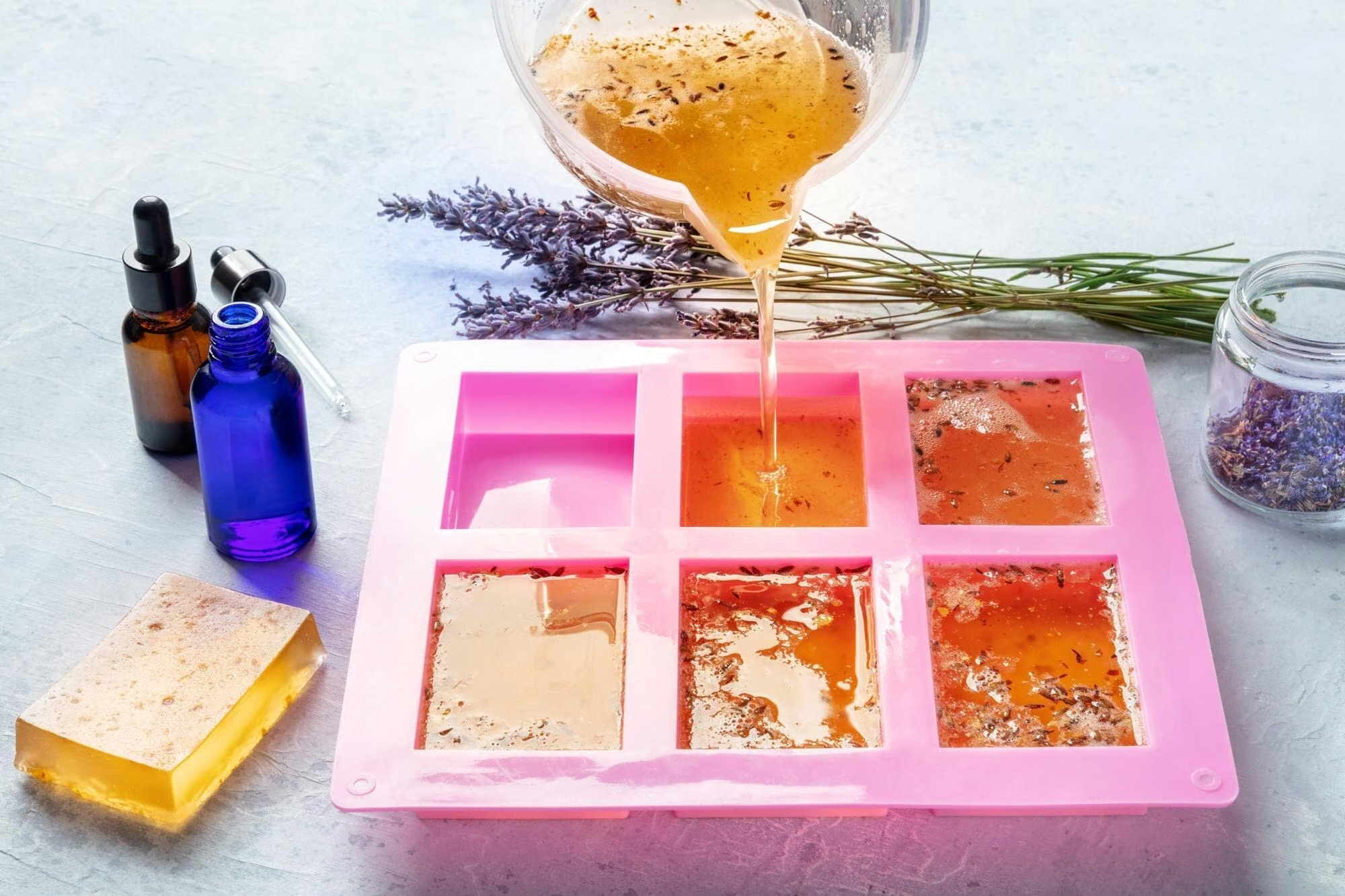
Morning, evening and sensitive-skin picks
- Morning bars – citrus blends (sweet orange, lemon, grapefruit) and mint (peppermint) make washing feel bright and energising. A citrus or peppermint bar in the shower is a simple way to start the day.
- Evening bars – lavender, chamomile and soft florals calm the routine down. Lavender is the classic evening choice, and chamomile adds a gentle, honeyed softness.
- Sensitive skin – mild florals such as lavender and chamomile are the usual gentle picks. Strong spices (cinnamon, clove) and strong mint can feel too intense for reactive skin. Patch-test first, and choose fragrance-free options when your skin needs a complete break.
- Bath-time bars – woody and floral blends such as cedarwood and lavender suit longer, slower washes.
- Practical bars – tea tree, eucalyptus and rosemary suit hand and foot bars, where a fresh, clarifying scent is welcome.
Remember that scent in soap is a sensory experience, not a medicine. A lavender bar can support a calm evening routine, but it is not a treatment – its value is in how it makes washing feel.
How to choose oils for your soap
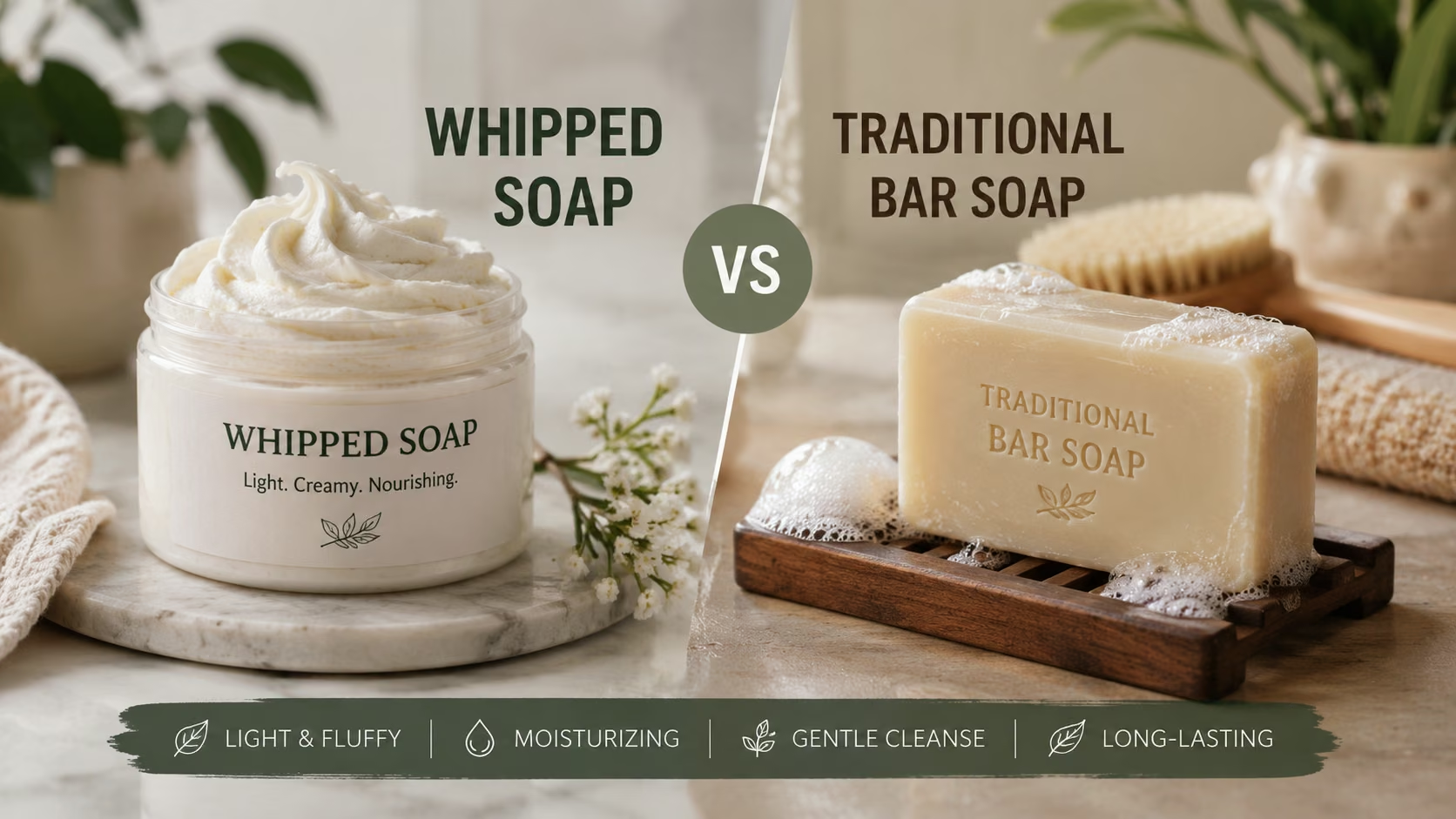
The soap base matters as much as the oil. Light, mild bases such as olive oil take delicate floral and citrus notes beautifully, while rich bases such as shea butter carry warm, creamy and gourmand scents well. If you are choosing a bar by base first, the olive oil vs shea butter soap guide helps, and the whipped soap vs traditional bar guide covers format.
A practical approach when you cannot test the bar first: pick a scent family you already enjoy in the essential oils range, then choose a soap in that family. If you love lavender oil at night, a lavender soap will feel familiar; if citrus oils energise you in the morning, a citrus bar will match that routine.
Essential oils for soap in the Aroma Sentia collection
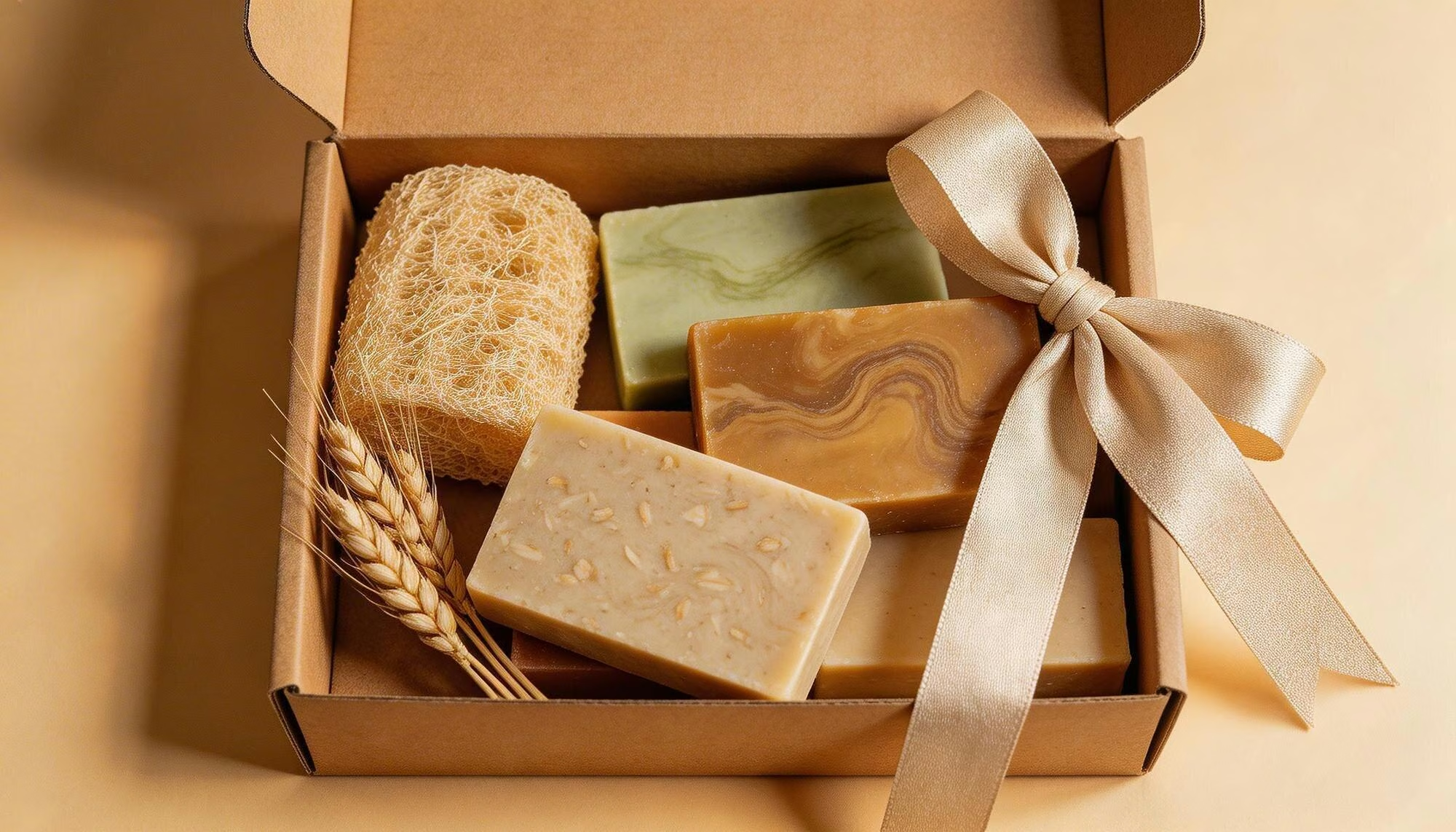
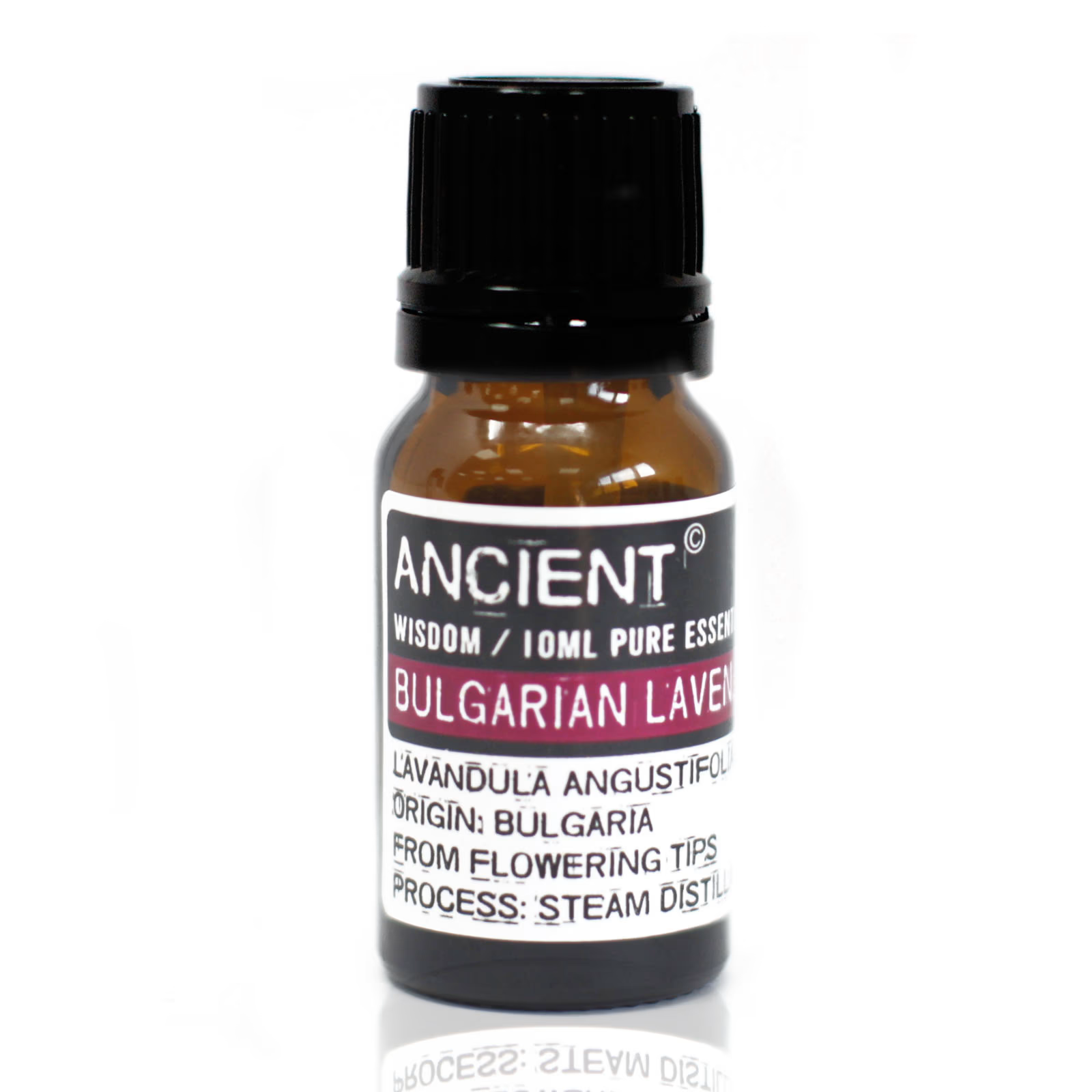
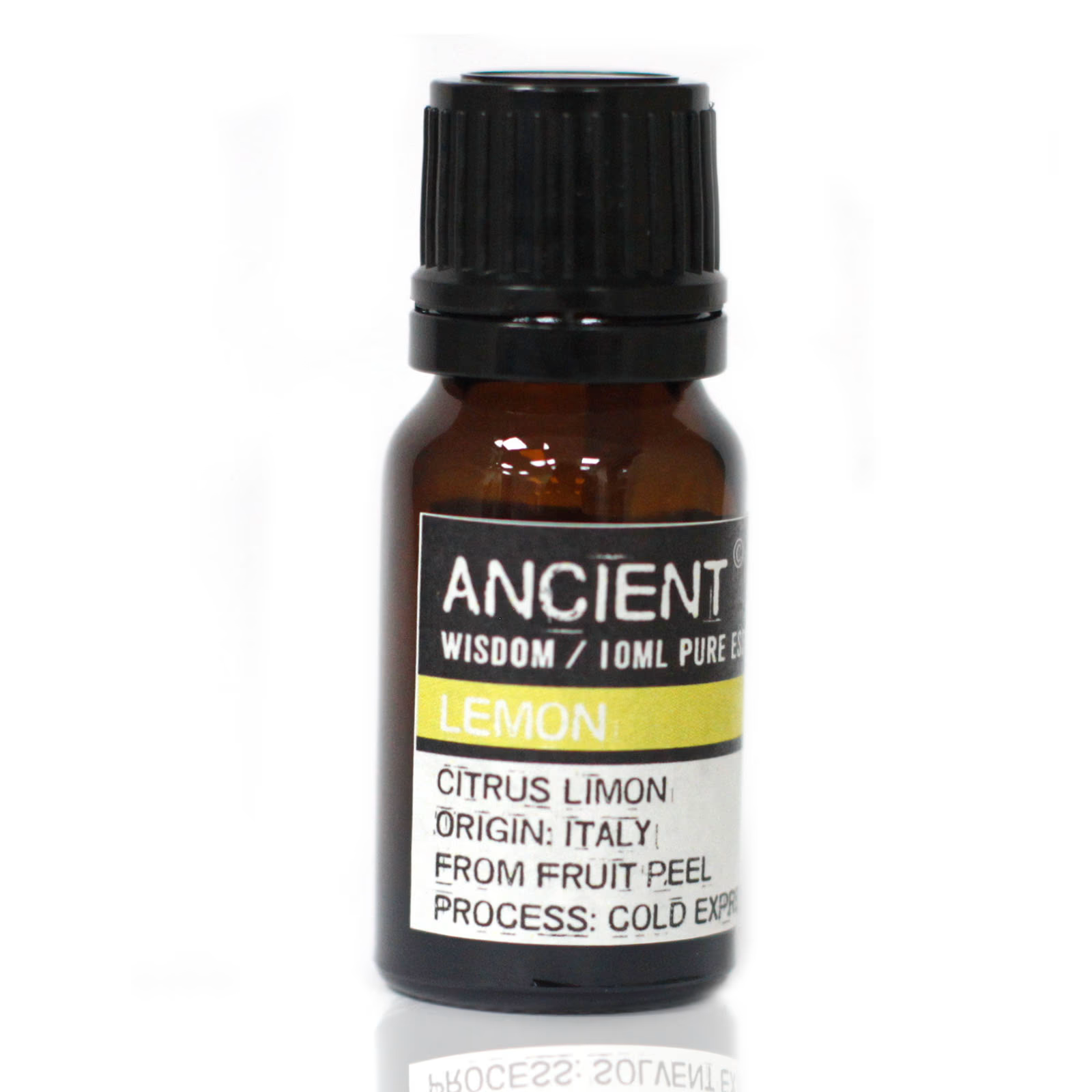
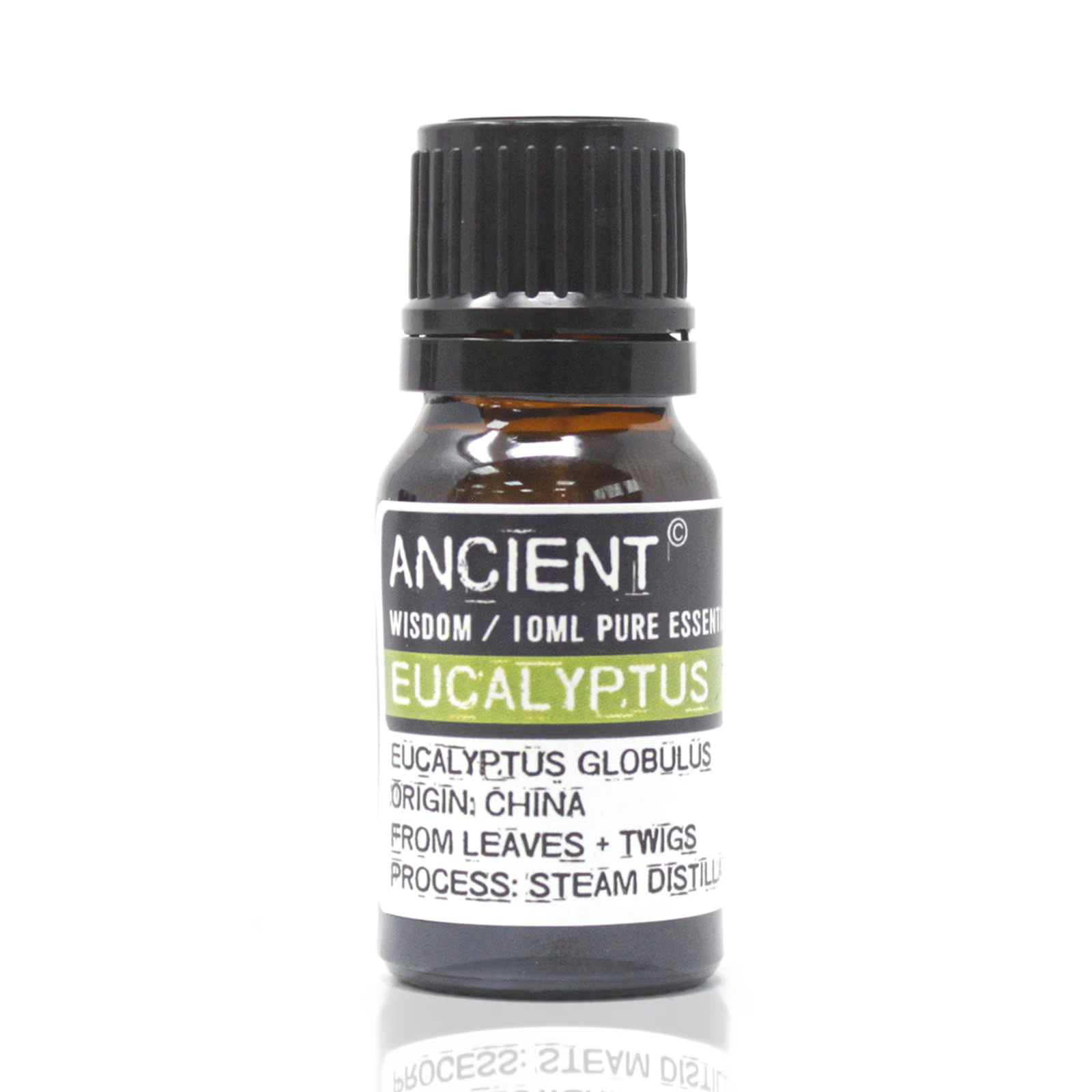
The Aroma Sentia Natural Soaps collection spans citrus, floral, fruity, spicy, woody and herbal scent families, so there is a bar for every part of the day. The essential oils behind those scents are available in the essential oils range – for example Bulgarian lavender for calm evening bars, lemon for bright morning washes and eucalyptus for fresh, practical bars.
A note on safe use
Essential oils are potent plant extracts, and a little care goes a long way. In finished soap, the oil has been blended into the bar during soapmaking, but people with very sensitive skin may still prefer mild oils and should patch-test a new bar before full use. Strong spices, heavy mints and some citrus oils can feel too intense for reactive skin.
If you are new to essential oils in general – whether in soap, diffusers or blends – the beginner’s guide to using essential oils safely covers dilution, patch testing and sensible everyday use. The same grounded rules apply to soap: enjoy the scent, respect your skin and choose what feels comfortable.
FAQ
Which essential oils are best for soap?
The best choice depends on the mood you want: citrus and mint for bright, energising mornings; lavender, chamomile and soft florals for calm evenings; woods and spices for warmth; tea tree, eucalyptus and rosemary for fresh, practical bars.
Are essential oils safe in soap?
In finished handmade soap, essential oils are blended into the bar during soapmaking. Most people enjoy them without issue, but sensitive or reactive skin should start with mild oils and patch-test a new bar before full use.
Which essential oils are best for sensitive skin?
Mild florals such as lavender and chamomile are the usual gentle picks. Strong spices, heavy mints and some citrus oils can feel too intense for reactive skin, so it is wise to patch-test and choose fragrance-free options when your skin needs a break.
Do essential oils make soap smell strong?
Essential oil scents in handmade soap are generally softer and more rounded than synthetic fragrance because the natural glycerin in the bar carries the aroma gently. The scent unfolds as you lather.
Can I add essential oils to unscented soap at home?
If you want to scent an unscented bar yourself, follow the product’s own guidance and patch-test first. Essential oils are potent, so the safest approach is to start with a small amount and use the oil as directed.
Which essential oil soap is best for the evening?
Lavender is the classic evening choice, followed by chamomile and soft floral blends. A lavender bar used in a slow evening shower can make the wind-down feel more deliberate – as a sensory ritual, not a treatment.