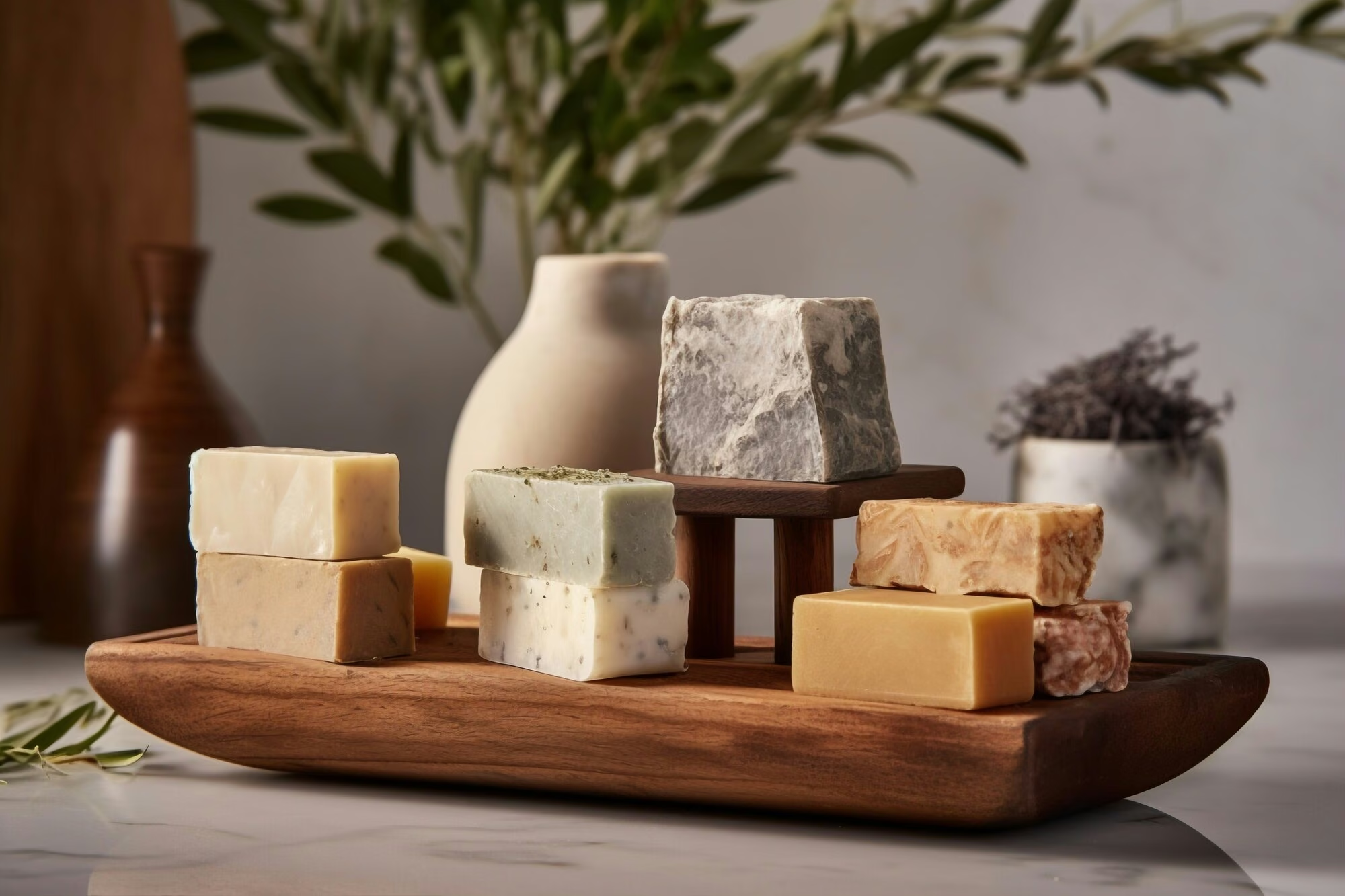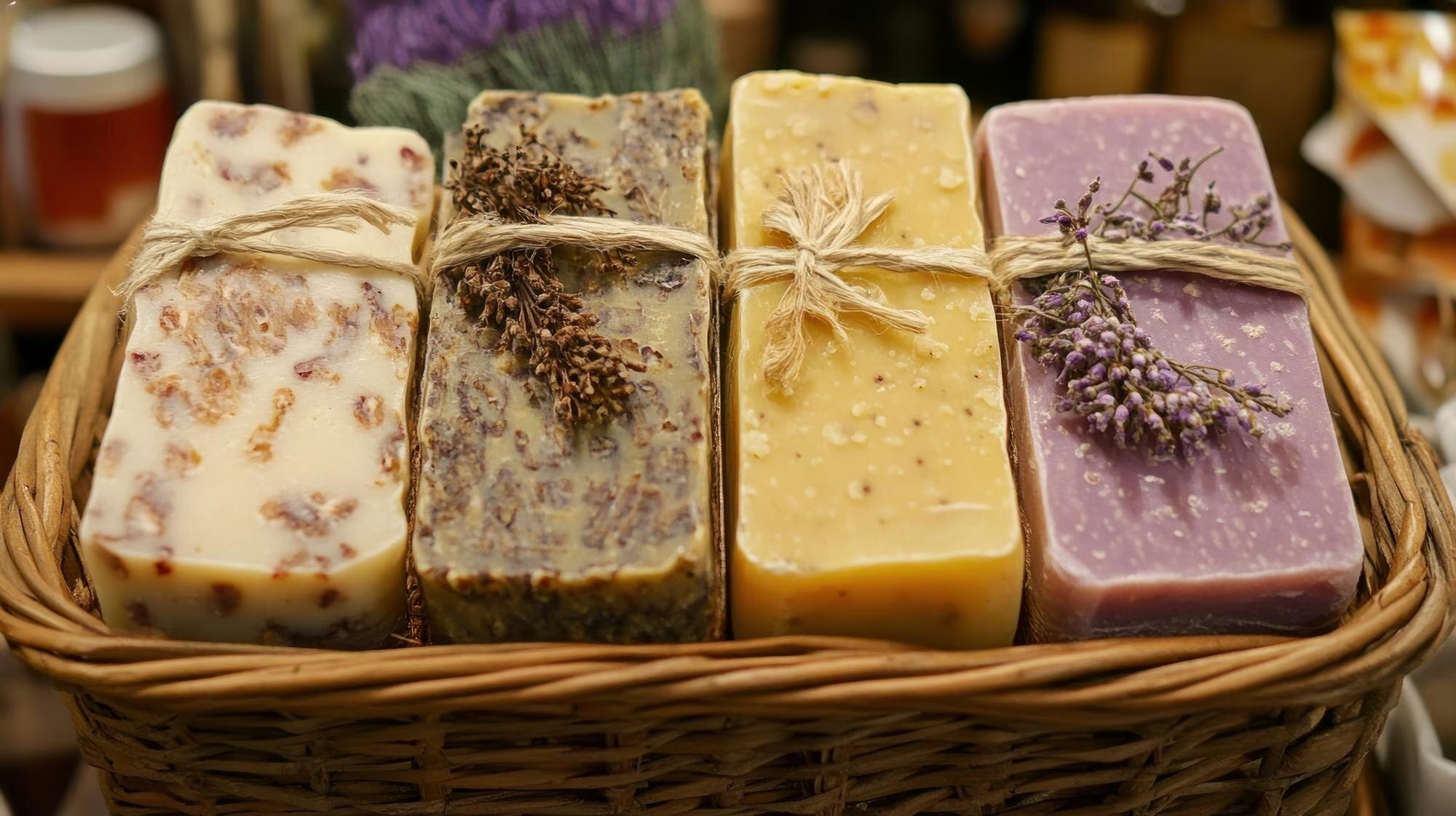
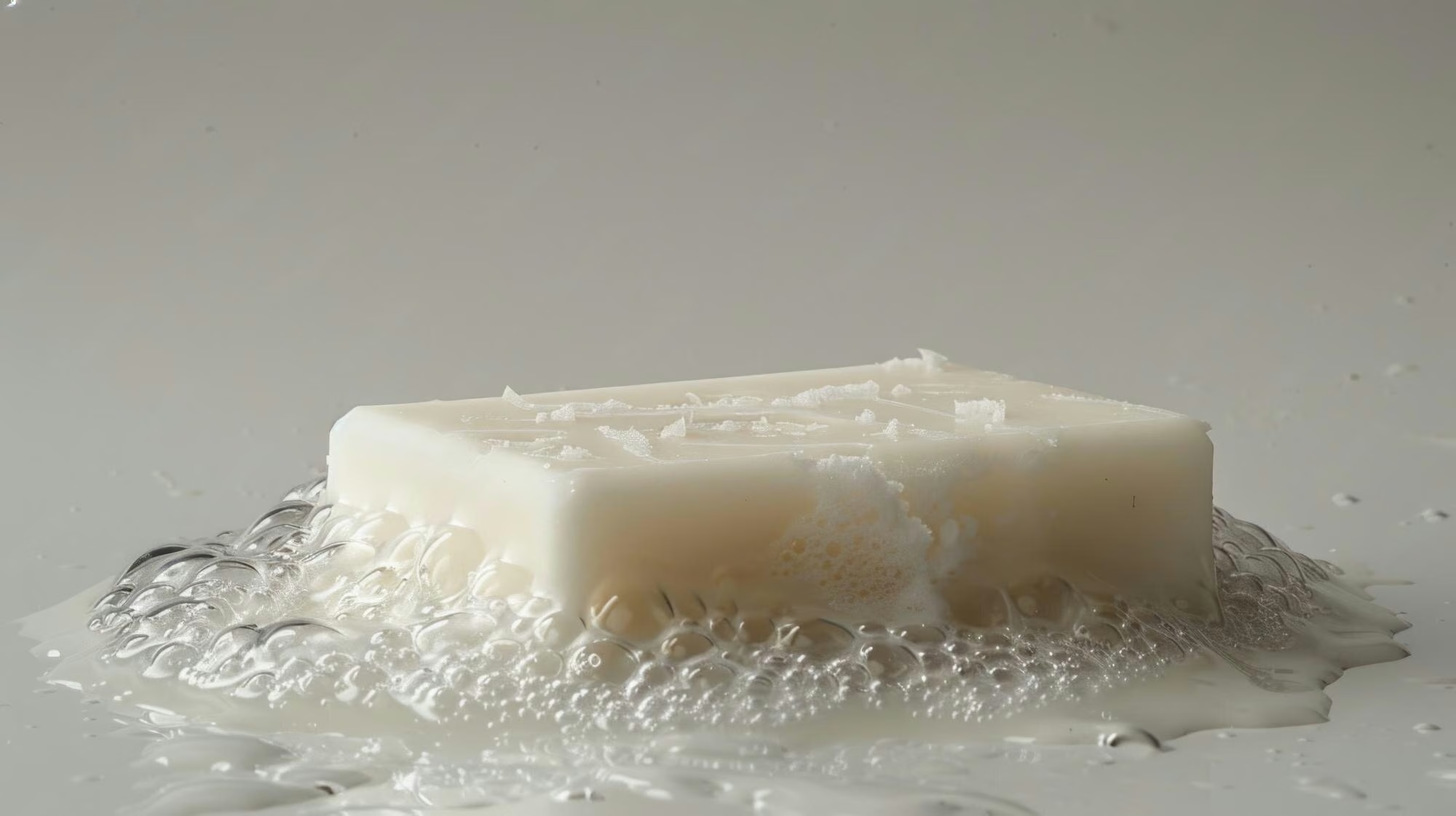
It is one of the most common questions about natural soap: why does my bar seem to melt or shrink so much faster than the commercial bars I used to buy? The short answer is that natural handmade soap is not melting – it is dissolving in standing water. And the fix is almost always about storage, not about the soap itself.
This guide explains why natural soap softens and disappears faster, how to store it so it lasts weeks longer, and what to do if a bar has already gone soft.
Why natural soap melts faster
Natural handmade soap keeps its glycerin. That is one of its best qualities – glycerin is a humectant that draws moisture to the skin, which is why natural soap feels softer and more conditioning after washing. But the same property works against the bar while it sits: glycerin also draws moisture from the air and from any water the bar touches, which makes the bar soften and dissolve more readily than a commercial detergent bar with most of its glycerin removed.
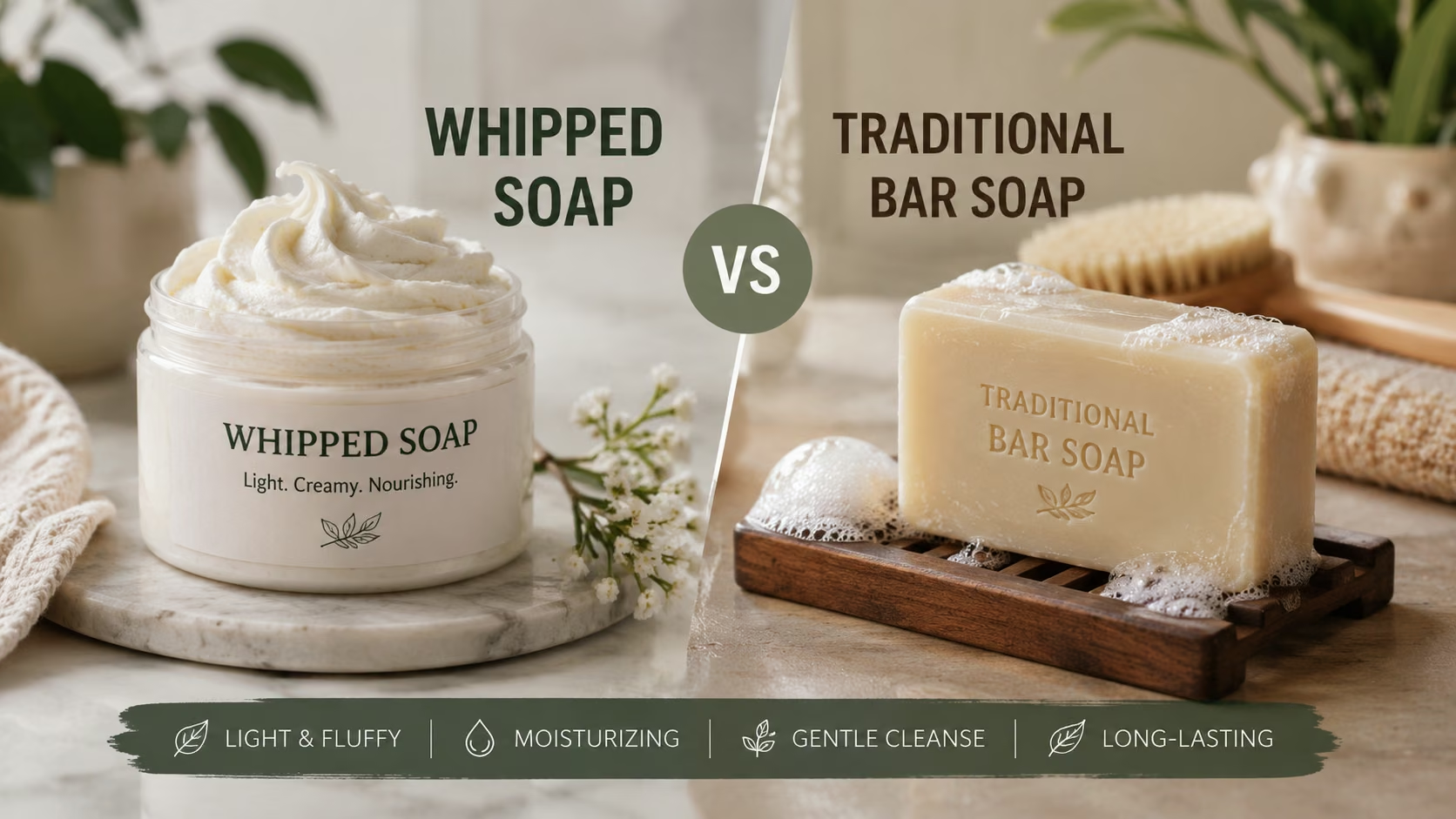
The recipe matters too. Bars with a high superfat or rich butters such as shea soften more quickly, as do whipped soaps with their light, airy texture. The whipped soap vs bar soap guide explains why whipped formats disappear faster, and the olive oil vs shea butter guide covers which bases are firmer. None of this means the soap is bad – it means it needs a little care.
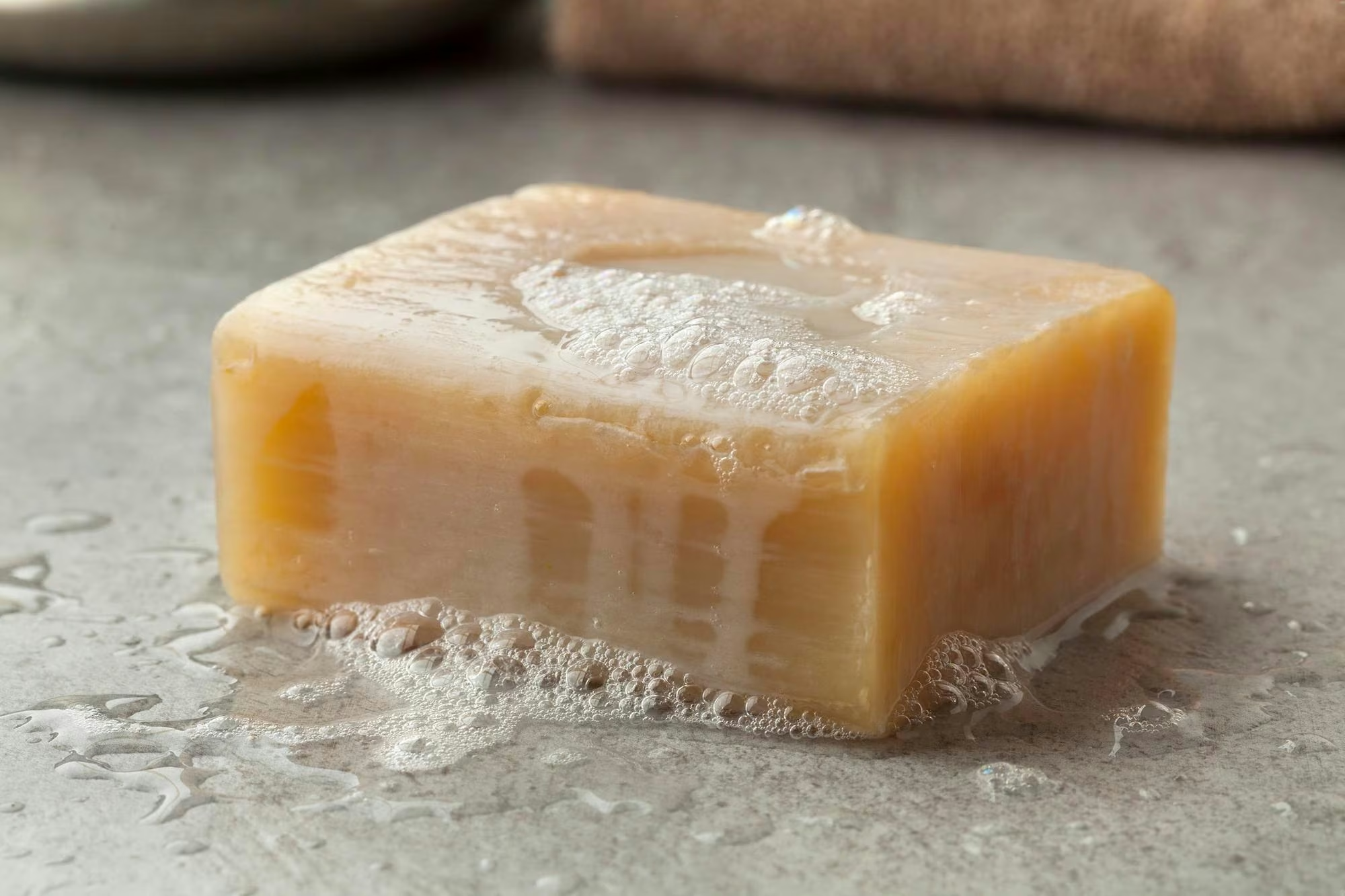
The water problem
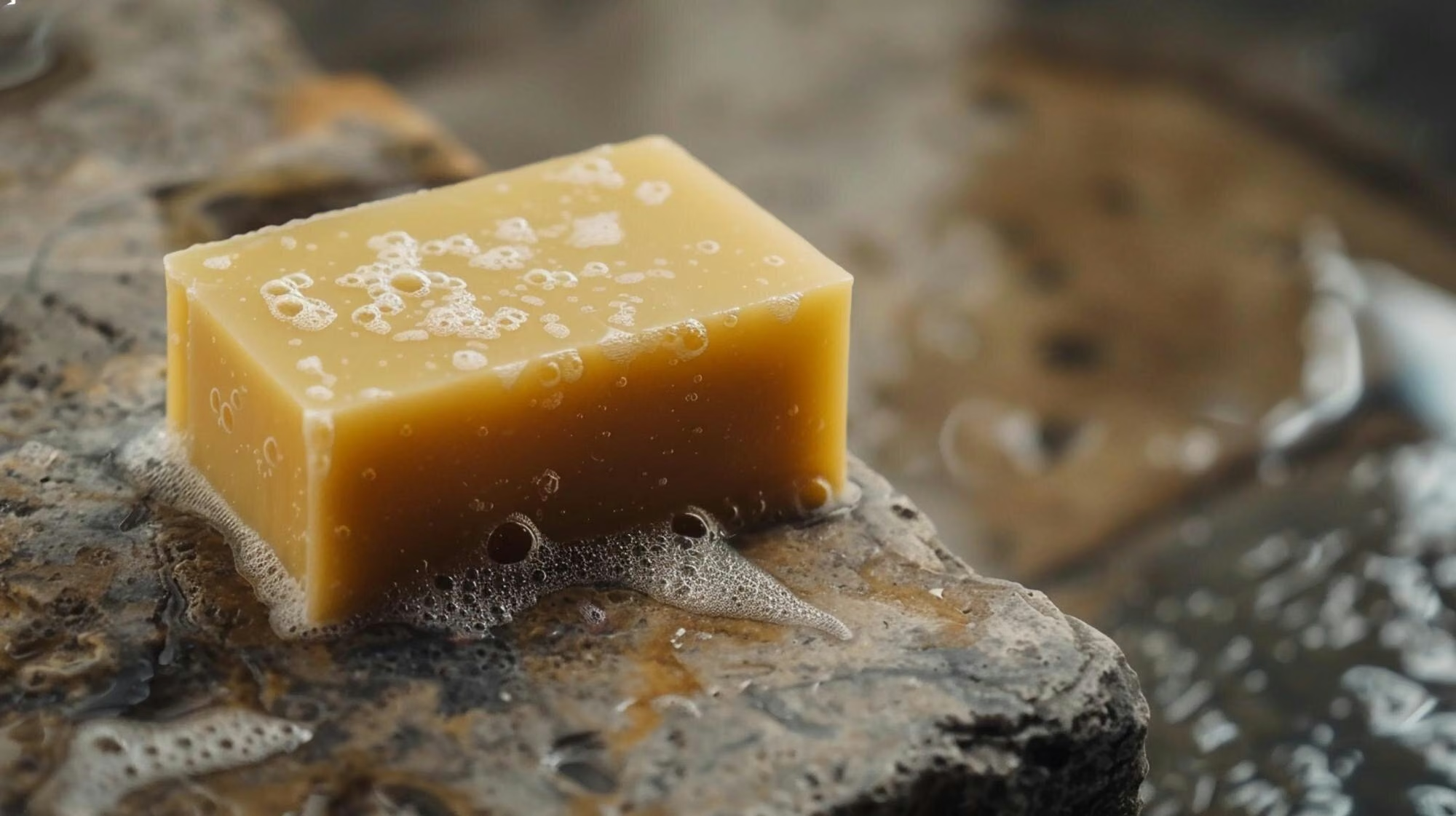
The number one reason a natural bar disappears is water. If a bar sits in a puddle in the soap dish, the underside softens and dissolves quickly, and every wash removes a little more. A bar left on a wet dish overnight can lose a surprising amount by morning.
Two simple habits fix most of it: let the bar drain, and let the bar dry. A well-draining dish keeps the bar out of the puddle, and airflow between uses lets the surface dry so the next wash starts from a firm bar instead of a soft one.
How to store natural soap so it lasts
- Use a draining soap dish – the bar should sit on ridges or a raised surface, not in a puddle.
- Let the dish drain – choose a dish with holes, slots or a collecting tray you can empty.
- Give the bar airflow – a bathroom shelf with some air movement beats a sealed cabinet.
- Rotate between two bars – if you wash often, alternate so each bar has time to dry fully.
- Cut loaves only as needed – a whole loaf keeps its moisture and scent far longer than cut slices; cut a slice when you are ready to use it.
- Store spare bars in a cool, dry place – keep backups somewhere ventilated, away from direct heat and humidity.
- Keep the lid on whipped soap – whipped formats dry or thin depending on the environment; the whipped soap guide has the full care routine.
Choosing a soap dish that actually drains
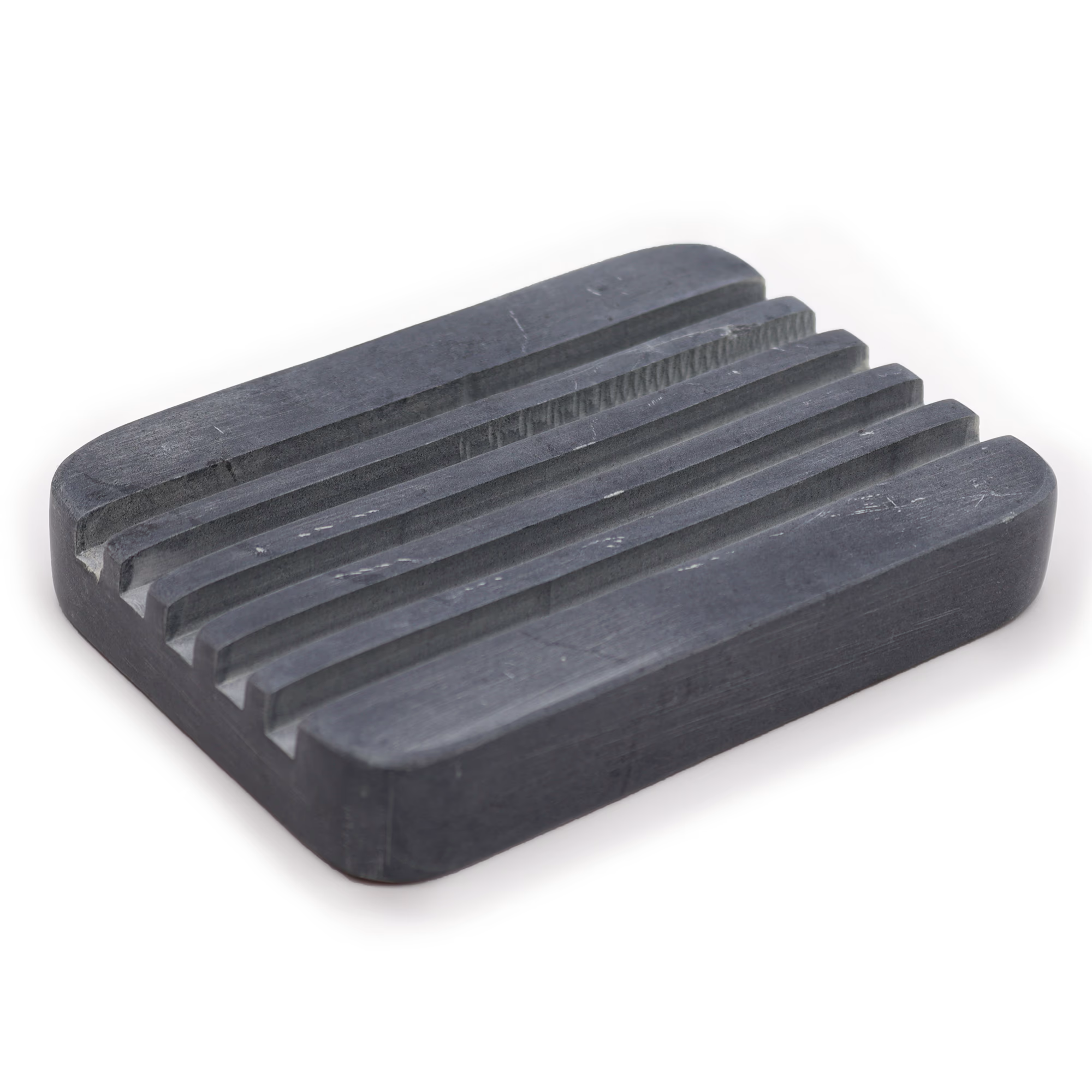
Not every soap dish is equal. A flat dish with no holes is a puddle-maker; a dish with ridges, slots or a draining tray keeps the bar elevated and dry. The Aroma Sentia Soap Dishes & Dispensers range includes both styles – a cream marble soap dish for a clean, classic look, and a soapstone dish with heavy ridges for maximum drainage.

How to rescue a soft bar
If a bar has already gone soft or mushy, it is not lost. Let it dry out in a cool, well-ventilated spot for a few days – it will firm up again. If it has bent or softened unevenly, press it back into shape while it is still pliable and then let it dry. A very soft bar can also be grated and used in a washcloth or shower pouch, which makes use of every last piece.
The same care rules apply to every bar in the Natural Soaps collection. The handmade soap guide explains the ingredients behind the softness, so you know what to expect from each bar.
Common storage mistakes
If a bar is disappearing faster than it should, one of these is usually the culprit:
- Leaving the bar sitting in a puddle in the dish.
- Using a flat dish with no drainage and no tray to empty.
- Storing bars in a sealed cabinet with no airflow.
- Keeping spare bars in a hot, humid bathroom instead of a cooler spot.
- Cutting a whole loaf at once, then leaving the slices exposed.
- Washing with the bar still wet and soft from the previous use.
Fix the mistake and the bar usually lasts two to three times longer.
FAQ
Why does my natural soap melt so fast?
Natural handmade soap keeps its glycerin, which attracts moisture – that is what makes it conditioning, but also what makes it soften in standing water. The fix is storage: use a draining dish and let the bar dry between uses.
Is my soap melting or dissolving?
Dissolving. Natural soap softens and dissolves in water rather than literally melting from heat, unless it is left somewhere very hot. A bar left in a puddle dissolves from the underside.
Which natural soaps melt fastest?
Whipped soaps and bars rich in shea butter or with a high superfat soften faster than firm, well-cured olive-oil bars. Firm bars and whole loaves last the longest.
How do I make my soap bar last longer?
Use a draining soap dish, keep the bar out of standing water, let it dry between uses, rotate between two bars, and cut loaves only as you need them. Spare bars should be stored in a cool, dry, ventilated place.
Can I fix a mushy soap bar?
Yes. Let it dry out in a cool, ventilated spot for a few days – it will firm up. If it has lost its shape, press it back while pliable, or grate it and use it in a washcloth or shower pouch.
Does a soap dish really make a difference?
Yes, a big one. A flat dish with no drainage keeps the bar sitting in water, which is the fastest way to soften and dissolve it. A ridged or slotted dish that drains is the single best investment in making your soap last.