The simple difference between essential oils and fragrance oils
Essential oils and fragrance oils can both make a room smell beautiful, but they are not the same product. The difference matters because each one is made in a different way, suits different uses, and needs a different level of care.
An essential oil is an aromatic extract from a plant. A fragrance oil is a scent composition created for aroma performance and variety. One is chosen mainly for a natural botanical scent; the other is chosen mainly for a consistent, creative or longer-lasting fragrance.
That does not mean one is always better than the other. The right choice depends on what you want to do. If you want a clear plant-derived aroma for a diffuser or a carefully diluted blend, browse our Essential Oils & Blends. If you want a wider choice of perfume-style aromas for oil burners, wax melts, candles, soaps or home scent projects, explore our Fragrance Oils. Many homes use both, but for different reasons.

What are essential oils?
Essential oils are concentrated aromatic extracts taken from plants, usually through steam distillation, cold pressing or another extraction method suited to the plant material. Lavender, lemon, peppermint, eucalyptus-style aromas, rosemary, cedarwood and frankincense-style oils are familiar examples.
Because they come from botanical material, essential oils often smell more natural, layered and changeable than a simple perfume-style scent. A citrus oil may feel bright and fresh. A floral oil may feel soft and familiar. A woody or resinous oil may feel deeper and more atmospheric. These natural variations are part of their appeal.
Essential oils are commonly used in diffusers, oil burners, carefully diluted massage blends, bath blends and personal scent rituals. They should be used with care because they are concentrated. A small bottle may look simple, but the oil inside is strong. It should not usually be applied neat to the skin, and it should be kept away from eyes, children and pets.
If your main priority is botanical origin, scent character and a more natural home fragrance experience, essential oils are usually the better starting point. If you also care strongly about sourcing, you may want to compare our Ecological Essential Oils as part of your choice.
What are fragrance oils?
Fragrance oils are created scent compositions. They may be synthetic, nature-identical, blended with aromatic ingredients, or designed to recreate scents that are difficult or impossible to capture directly from plants. This is why fragrance oils can offer aromas such as fresh linen, vanilla cream, ocean breeze, warm amber, cotton, bakery notes or more complex seasonal blends.
Their main advantage is scent performance. A fragrance oil is often chosen because the aroma is stable, clear and consistent from one use to the next. This makes fragrance oils especially useful for home scenting, wax melts, candles, soaps, oil burners, simmering granules and creative projects where a strong, recognisable scent is the goal.

Fragrance oils are not the same as essential oils, and they should not be treated as interchangeable. A fragrance oil may be perfect for a burner, wax melt or candle project, but that does not automatically mean it is suitable for skin use. Always check the product instructions and the method you plan to use.
For customers who mainly want their home to smell fresh, warm, floral, sweet, clean or seasonal, fragrance oils are often the most practical choice. They give you more scent styles and usually more control over the final aroma.
Essential oils vs fragrance oils at a glance
| Feature | Essential oils | Fragrance oils |
|---|---|---|
| Main origin | Extracted from aromatic plant material | Created as scent compositions |
| Best for | Botanical aromas, diffusers, oil burners and diluted blends | Home scenting, wax melts, candles, soaps and creative fragrance projects |
| Scent style | Natural, plant-like, sometimes variable | Consistent, broad and often stronger |
| Variety | Limited by what plants can naturally provide | Very wide, including fantasy, clean, sweet and seasonal scents |
| Skin use | Only when suitable and properly diluted | Only if the specific product and recipe allow it |
| Scent strength | Often softer and more natural | Often stronger and longer-lasting |
| Best buyer question | “Do I want a plant-derived aroma?” | “Do I want a specific scent effect?” |
The easiest way to decide is to start with the use case. If you are scenting a room with a natural botanical aroma, choose an essential oil. If you are making a candle, choosing a wax melt scent, or want a very specific room fragrance, choose a fragrance oil.
When should you choose essential oils?
Choose essential oils when the natural plant source matters to you. They are a good fit for simple diffuser routines, oil burners, mindful home scenting, diluted massage blends, bath products and moments where you want the scent to feel close to the plant itself.
Essential oils are especially useful when you want a clear scent family rather than a perfume-style blend. Lemon feels bright. Lavender feels soft and familiar. Peppermint feels cool and crisp. Cedarwood feels dry and woody. These simple scent associations make essential oils easy to use when choosing by room or mood.
For example, many customers choose citrus oils for kitchens and entrances because they feel fresh. Floral oils are often chosen for bedrooms, dressing areas or evening routines. Woody and resinous oils suit living rooms, studies and quiet spaces where a deeper atmosphere feels natural.
The important point is to keep the language and use grounded. Essential oils can support a pleasant atmosphere, but they are not a replacement for medical care and should not be treated as a guaranteed solution for health issues. Use them because you enjoy the aroma, the ritual and the natural character.
When should you choose fragrance oils?
Choose fragrance oils when your priority is scent variety, consistency or strength. They are especially useful when you want a home to smell like clean linen, vanilla, warm spice, fruit, amber, soft florals, festive blends or other aromas that are not always available as essential oils.
Fragrance oils are also practical for creative projects. If you are making wax melts, candles, scented sachets, soaps or seasonal home fragrance gifts, fragrance oils usually give a more predictable result. The scent is designed to perform, which makes it easier to repeat a favourite blend.
This is also why fragrance oils are popular for everyday home scenting. A few drops in a suitable oil burner, used according to the product instructions, can create a clear room fragrance. If you enjoy changing the mood of your home by season, room or occasion, fragrance oils offer far more choice than essential oils alone.
A good way to think about it is this: essential oils are about botanical character; fragrance oils are about scent design.
Can you use both in the same home?
Yes, many customers use both. The key is not to confuse their roles.
You might use an essential oil in a diffuser during a quiet morning routine, then use a fragrance oil in an oil burner for a stronger evening scent in the living room. You might choose lavender essential oil because you like the natural floral note, then choose a vanilla or warm amber fragrance oil because you want a cosy room scent that lasts longer.
The products can sit comfortably in the same home fragrance collection, as long as each one is used for the right purpose. Store them clearly, read the label, and do not assume that instructions for one type apply to the other.
If you are building a starter set, it often makes sense to choose a few familiar essential oils and a few favourite fragrance oils. That gives you both natural botanical options and more creative scent choices.
Safety and dilution: what matters most
The biggest mistake is assuming that “natural” automatically means gentle. Essential oils are natural, but they are also concentrated. Many need dilution before skin use, and some are not suitable for every person, every room or every situation.
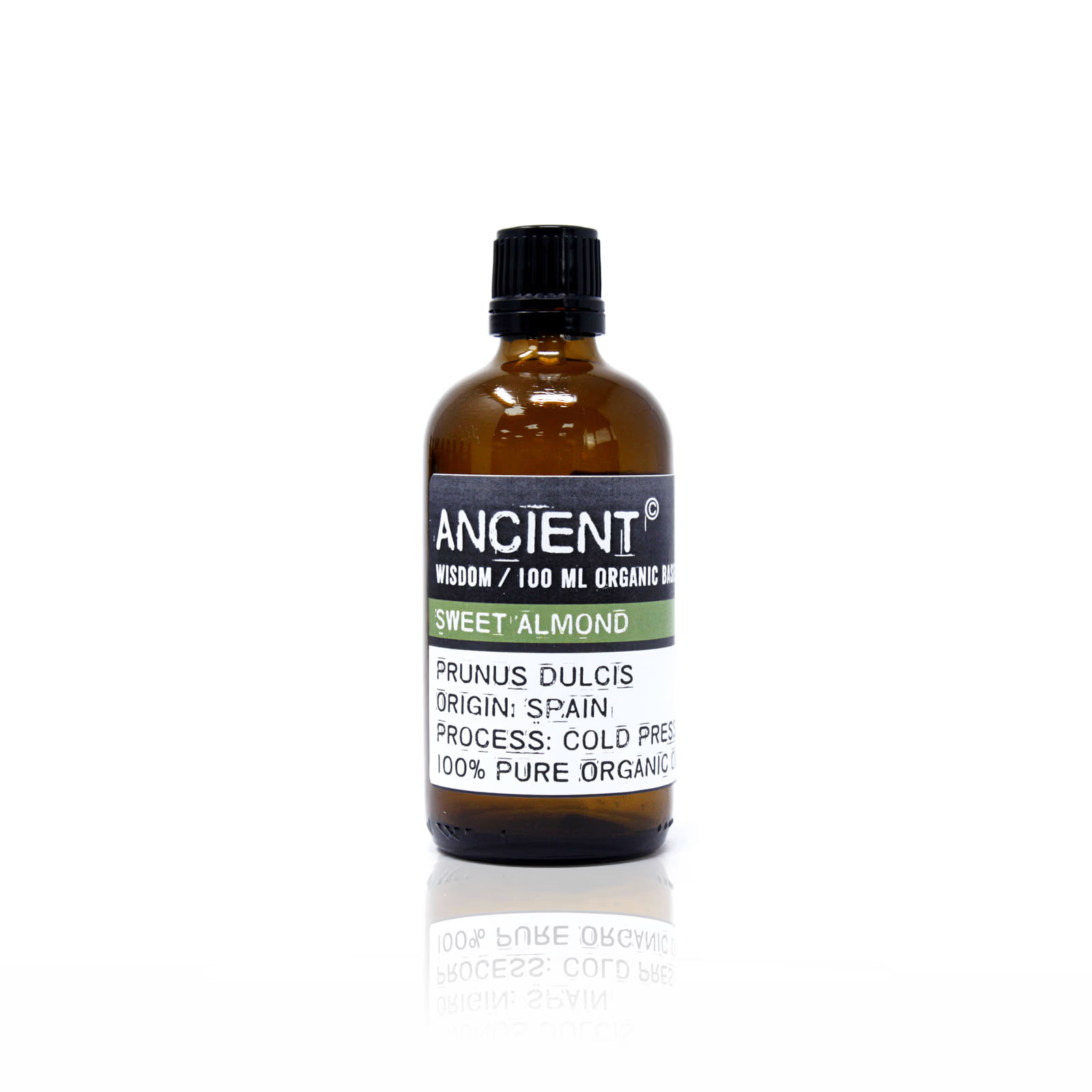
If an essential oil is being used on the skin, it should normally be blended into a suitable base oil first. Base oils help dilute the essential oil and make application more comfortable. For bath use, follow proper blending guidance rather than dropping essential oil directly into the water.
Fragrance oils also need care. They are concentrated scent products, not general-purpose skin oils. Use them only in ways that match the product instructions, especially for candles, wax melts, burners, soaps or cosmetic recipes.
For both types, keep bottles closed, store them away from heat and sunlight, and keep them out of reach of children and pets. Use good ventilation when scenting a room, especially around sensitive people or animals.
Which is better for diffusers and oil burners?
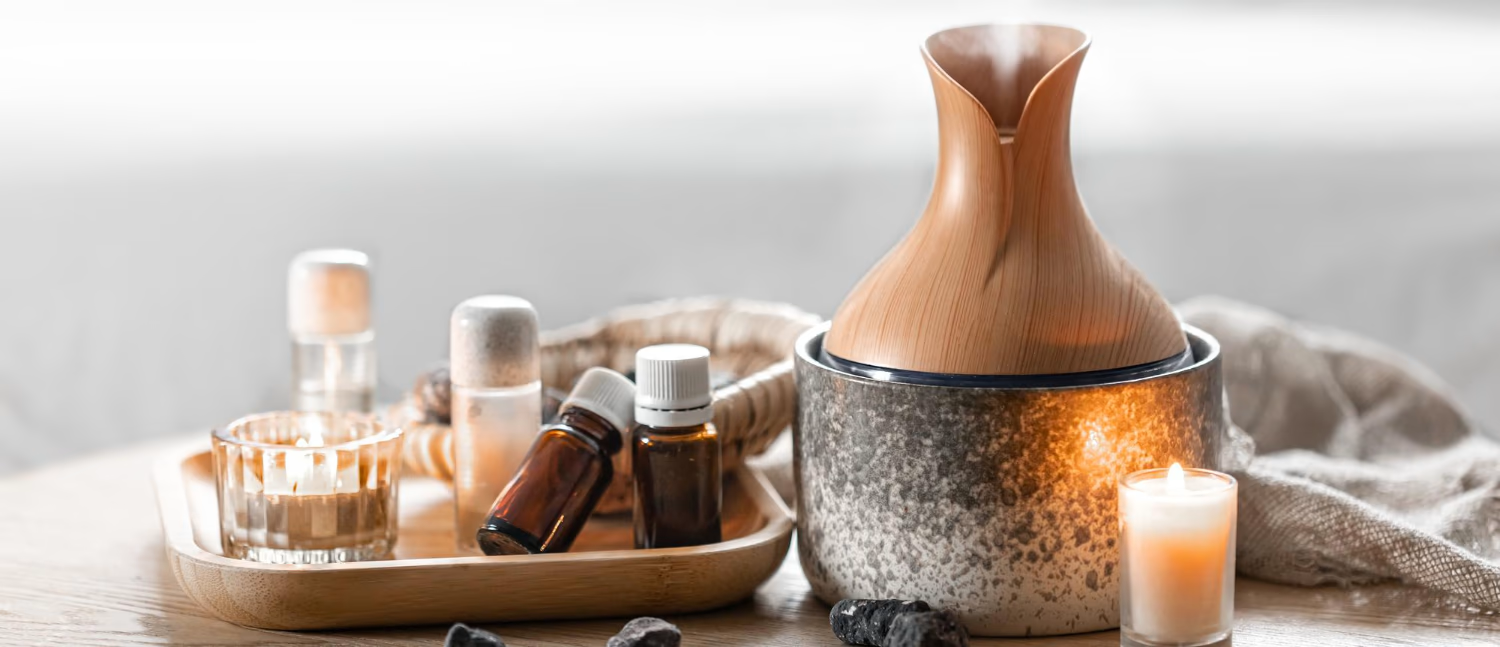
For diffusers, essential oils are often the cleaner choice, especially when the device is designed for pure essential oils. Ultrasonic diffusers and atomisers can have specific requirements, so always check the device instructions.
For traditional oil burners, both essential oils and suitable fragrance oils may be used depending on the product and method. Essential oils give a more botanical scent. Fragrance oils often give a stronger and more decorative room fragrance.
For wax melts, candles and strongly scented home fragrance projects, fragrance oils are usually more practical. They are designed for scent performance and can offer a much wider range of aromas.

If you are unsure where to begin, browse the broader Aromatherapy & Home Fragrance collection and choose by use: diffuser, burner, wax melt, candle project, bath blend or room scent.
Which one should you buy first?
If you are new to home fragrance, start with the result you want.
Choose essential oils first if you want natural botanical aromas, simple diffuser use and a closer connection to plant scent families. A small starter selection might include one citrus oil, one floral oil and one woody or resinous oil.
Choose fragrance oils first if you want stronger room scent, creative aroma options, wax melts, oil burner use or seasonal blends. A starter selection might include one fresh scent, one warm scent and one floral or sweet scent.
If you enjoy both natural aromas and decorative home scenting, buy both – but keep their uses separate. That gives you the most flexibility without forcing one product type to do everything.
Common mistakes to avoid
The first mistake is buying only by scent name. A familiar name does not always tell you whether the product is an essential oil or a fragrance oil. Read the category, product description and use instructions before buying.
The second mistake is using too much. More oil does not always mean a better scent experience. A small amount used correctly is usually more pleasant than an overpowering room fragrance.
The third mistake is applying oils to the skin without checking suitability. Essential oils usually need dilution, and fragrance oils should only be used on the skin if the specific product and recipe allow it.
The fourth mistake is ignoring the device. A diffuser, atomiser, oil burner and wax warmer do not all work in the same way. Match the oil to the method.
Final answer: essential oil or fragrance oil?
Choose an essential oil when you want a plant-derived aromatic extract for diffusers, oil burners or carefully diluted blends. Choose a fragrance oil when you want scent variety, strength and consistency for home fragrance, wax melts, candles, burners or creative projects.
Neither choice has to replace the other. Essential oils and fragrance oils simply serve different purposes. The best home fragrance collection often includes both: essential oils for botanical character, and fragrance oils for creative scent design.
To continue choosing, compare the full Essential Oils & Blends range with the Fragrance Oils collection, or read our practical guides to choosing essential oils for your home and choosing fragrance oils for your home.
Related home fragrance guides
Once you understand the difference between essential oils and fragrance oils, choose the right format with the diffusers, atomisers and oil burners guide. For more specific use cases, continue with the oil burners guide, soy wax melts guide or base oils guide.
Frequently asked questions
Are essential oils better than fragrance oils?
Not always. Essential oils are better if you want a natural plant-derived aroma. Fragrance oils are better if you want scent variety, stronger room fragrance or more predictable results in wax melts, candles and home scent projects.
Can fragrance oils be used in a diffuser?
Some fragrance oils can be used with suitable diffusers or oil burners, but not every device is designed for them. Always check both the oil instructions and the diffuser instructions before use.
Can essential oils be used on skin?
Some essential oils can be used on skin when properly diluted in a suitable base oil, but they should not usually be applied neat. Always follow safe dilution guidance and avoid sensitive areas.
Why do fragrance oils last longer than many essential oils?
Fragrance oils are designed for scent performance and consistency, so they often hold their aroma longer in home fragrance products. Essential oils can smell more natural, but some evaporate more quickly depending on the plant and scent family.
Should I choose essential oils or fragrance oils for wax melts?
Fragrance oils are usually the more practical choice for wax melts because they offer stronger scent variety and more predictable performance. Essential oils may be used in some recipes, but the scent can be softer and more delicate.