
A practical starting point for essential-oil blending
Base oils are the quiet part of an essential-oil routine, but they are often the part that makes the routine usable. Essential oils are concentrated aromatic materials. A base oil, also called a carrier oil, helps spread a small amount of essential oil across the skin more evenly and makes simple massage or body-oil style blends easier to handle.
If you are new to blending, the main question is not “which base oil is best?” It is “which base oil fits the way I want to use it?” A light massage blend, a richer evening body oil, a simple roll-on style blend and a small skincare-style routine may all need a different texture.
The Base Oils category at Aroma Sentia includes familiar carrier oils such as sweet almond, grapeseed, jojoba, fractionated coconut, rosehip, argan, avocado, calendula and more. This guide explains how to choose between them without turning the process into chemistry homework.

What is a base oil?
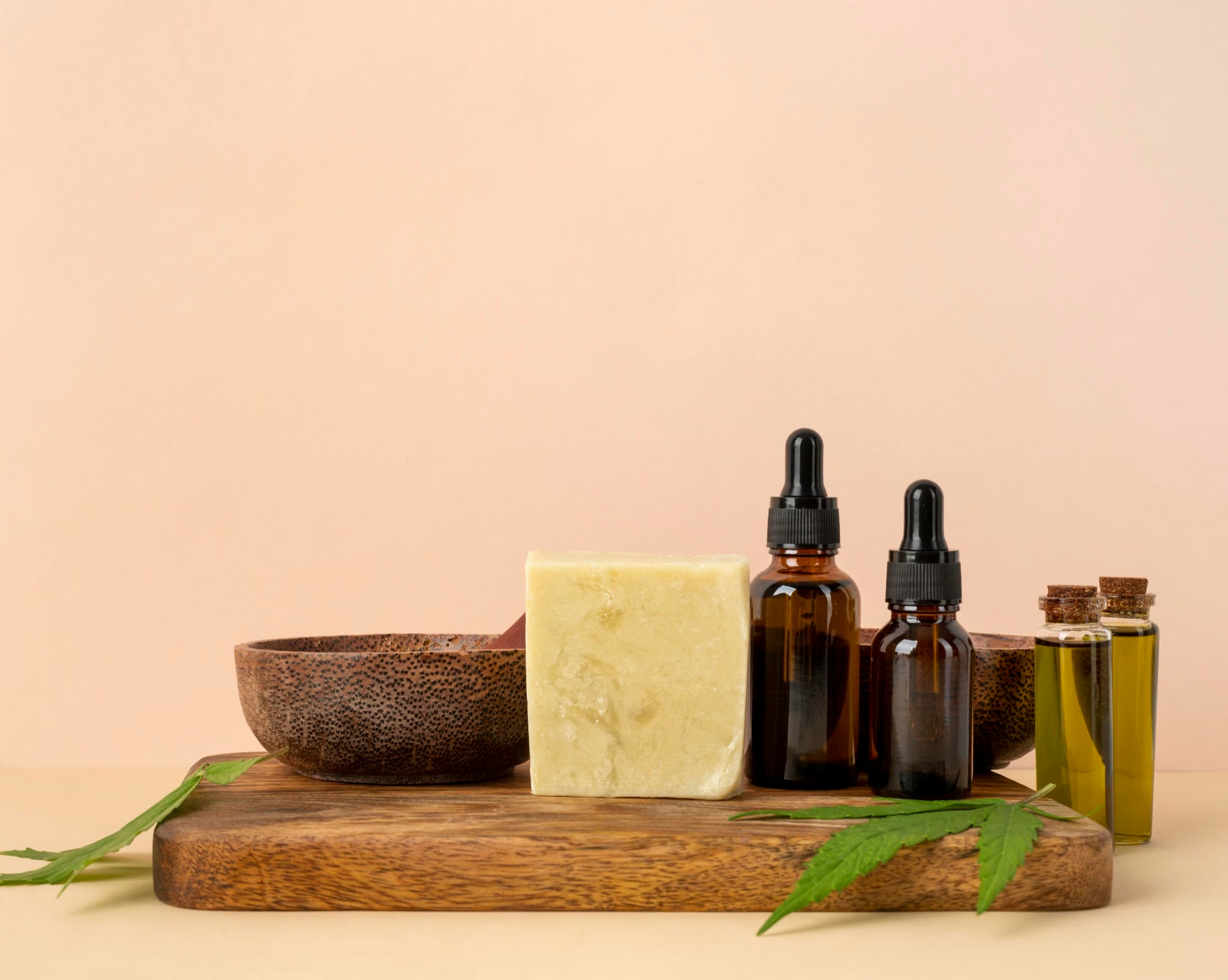
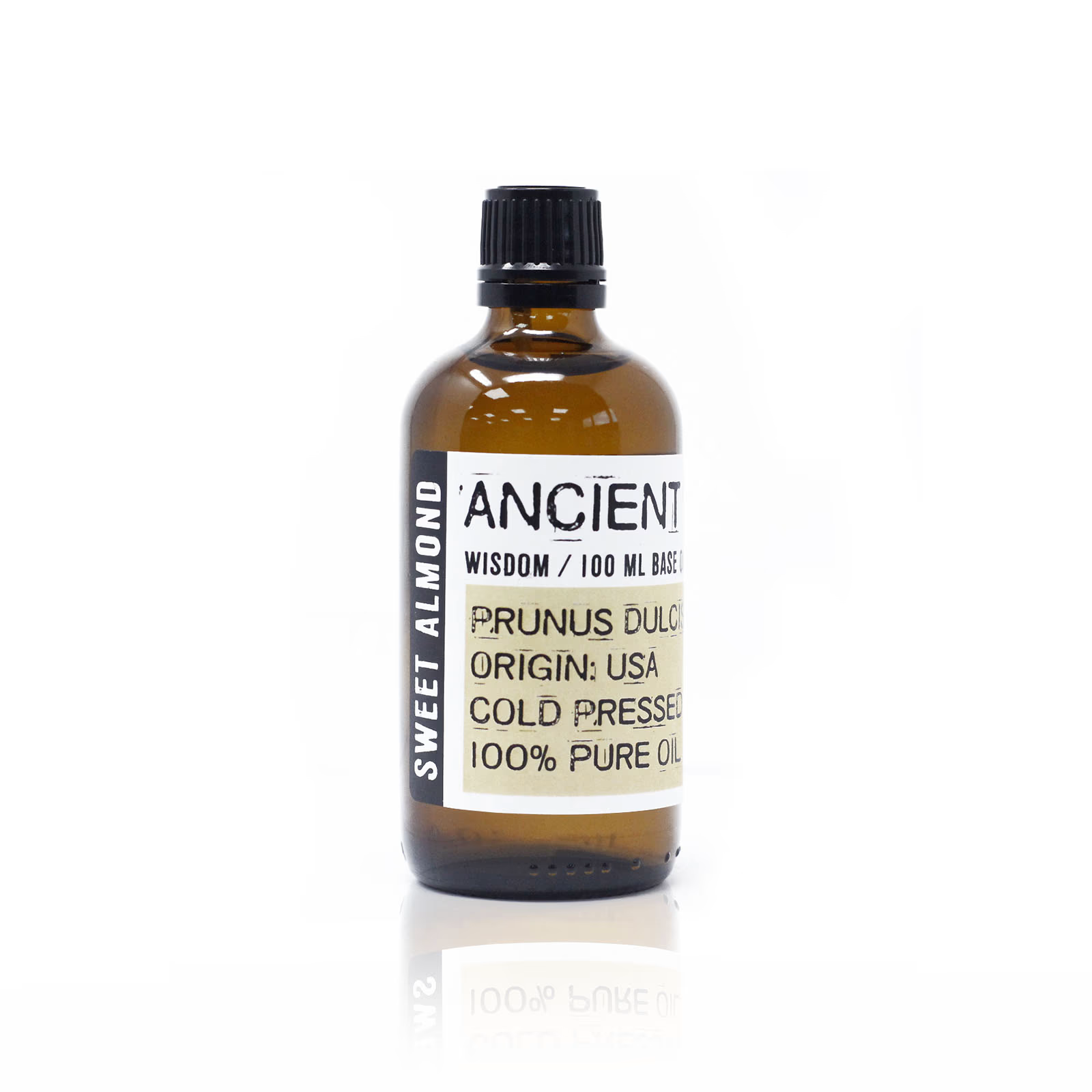
A base oil is a plant-based oil used as the main body of a blend. It may come from seeds, kernels, nuts or other fatty parts of a plant. Unlike an essential oil, it does not evaporate quickly and is not used mainly for fragrance. Its job is to carry, dilute and spread.
This matters because essential oils are strong. Even a familiar oil such as lavender, peppermint, eucalyptus or orange should not be treated like a normal body oil. For skin or massage use, an essential oil usually needs to be diluted into a suitable base oil first.
Base oils are also useful on their own. Many customers choose them for simple body-oil, massage or beauty-making routines where texture matters as much as scent. The right base oil can make a blend feel light, silky, rich, dry, smooth or more substantial.
Base oils and essential oils are not the same
The easiest way to understand the difference is to think about concentration. Essential Oils are aromatic extracts. They are chosen for scent profile, botanical identity and intended method of use. Base oils are fatty oils. They are chosen for texture, skin feel, blending behaviour and how well they suit the routine.
This is why a base oil does not replace an essential oil and an essential oil does not replace a base oil. If you want room scent in a diffuser or oil burner, you are usually thinking about essential oils or fragrance oils. If you want a skin-contact massage blend, the base oil becomes the main ingredient.
For a broader comparison of scented oil types, the guide to Essential Oils vs Fragrance Oils explains why product type matters before you choose a method.
How to choose by texture
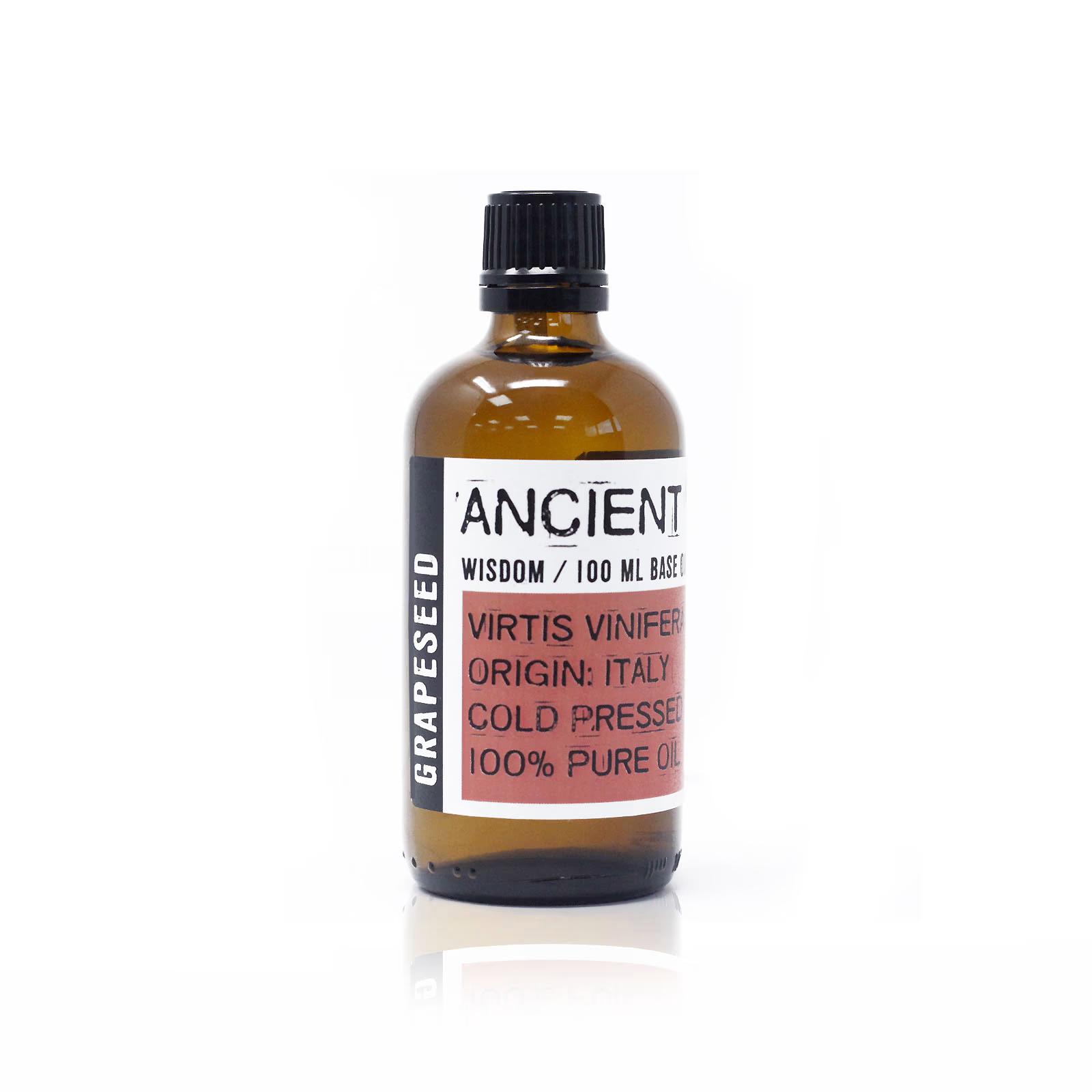
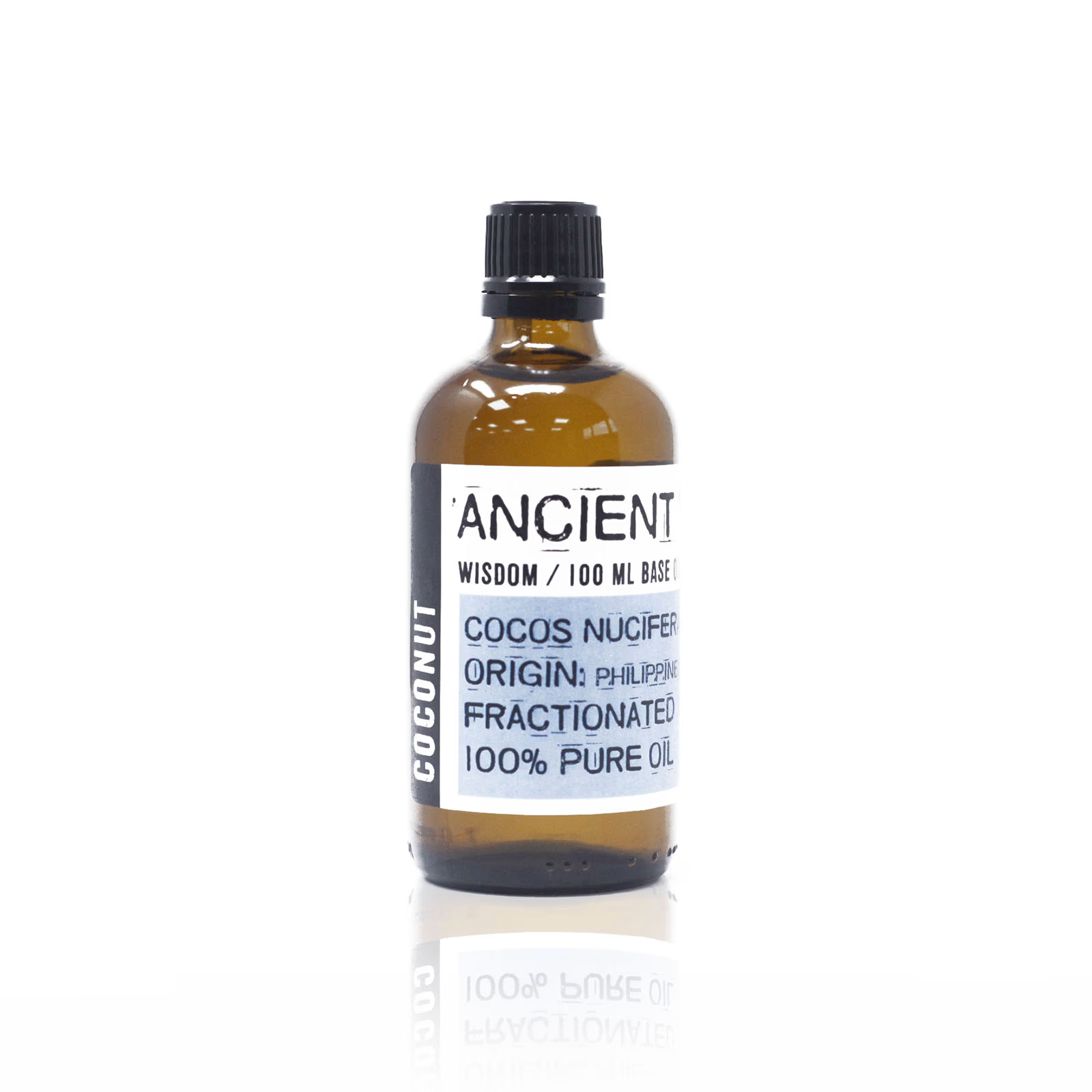
Texture is usually the most practical way to choose a base oil. A light oil is easier when you want a quick massage blend, a body oil that spreads easily or a simple carrier for a small amount of essential oil. Grapeseed and fractionated coconut are good examples of oils often chosen for a lighter feel.
A medium-feel oil can be more versatile. Sweet almond oil is a classic example because it is familiar, easy to understand and useful across many simple blending routines. It can be a sensible starting point if you want one base oil before building a larger selection.
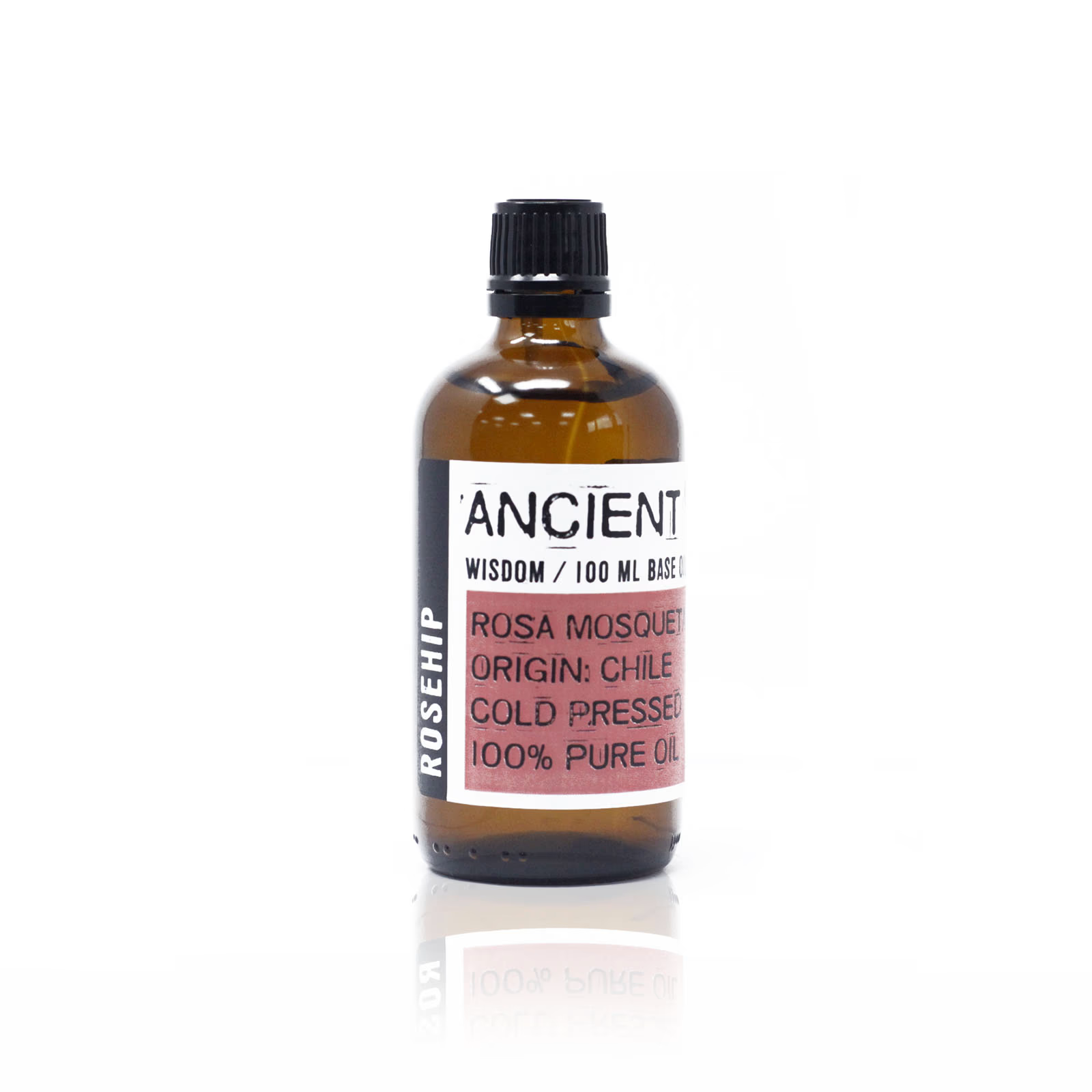
Richer oils feel more substantial. Rosehip, avocado, argan and similar oils are often chosen for smaller, more considered routines where the oil is used sparingly. These are not automatically better than lighter oils; they simply feel different and suit different preferences.
Choosing a carrier oil for massage
For massage, spread and slip matter. The oil should move comfortably across the skin without feeling too sticky too quickly. This is why many people start with lighter or medium carrier oils rather than the richest oils in the collection.
A simple massage blend does not need to be complicated. Choose a base oil first, then add essential oil only if the product is suitable for that type of use and you are following safe dilution guidance. If you are unsure, keep the blend unscented or use the base oil on its own.
For larger massage-style routines, think about comfort and practicality. A very rich oil might feel luxurious in a small amount but too heavy for a full body blend. A lighter oil may be easier to use more generously. The best choice is the one that makes the routine feel simple and controlled.
Choosing a base oil for skin-use routines
For skincare-style use, choose by skin feel, not by strong promises. A lighter oil may suit daytime use or areas where you do not want a heavy finish. A richer oil may suit smaller evening routines where you use only a few drops.
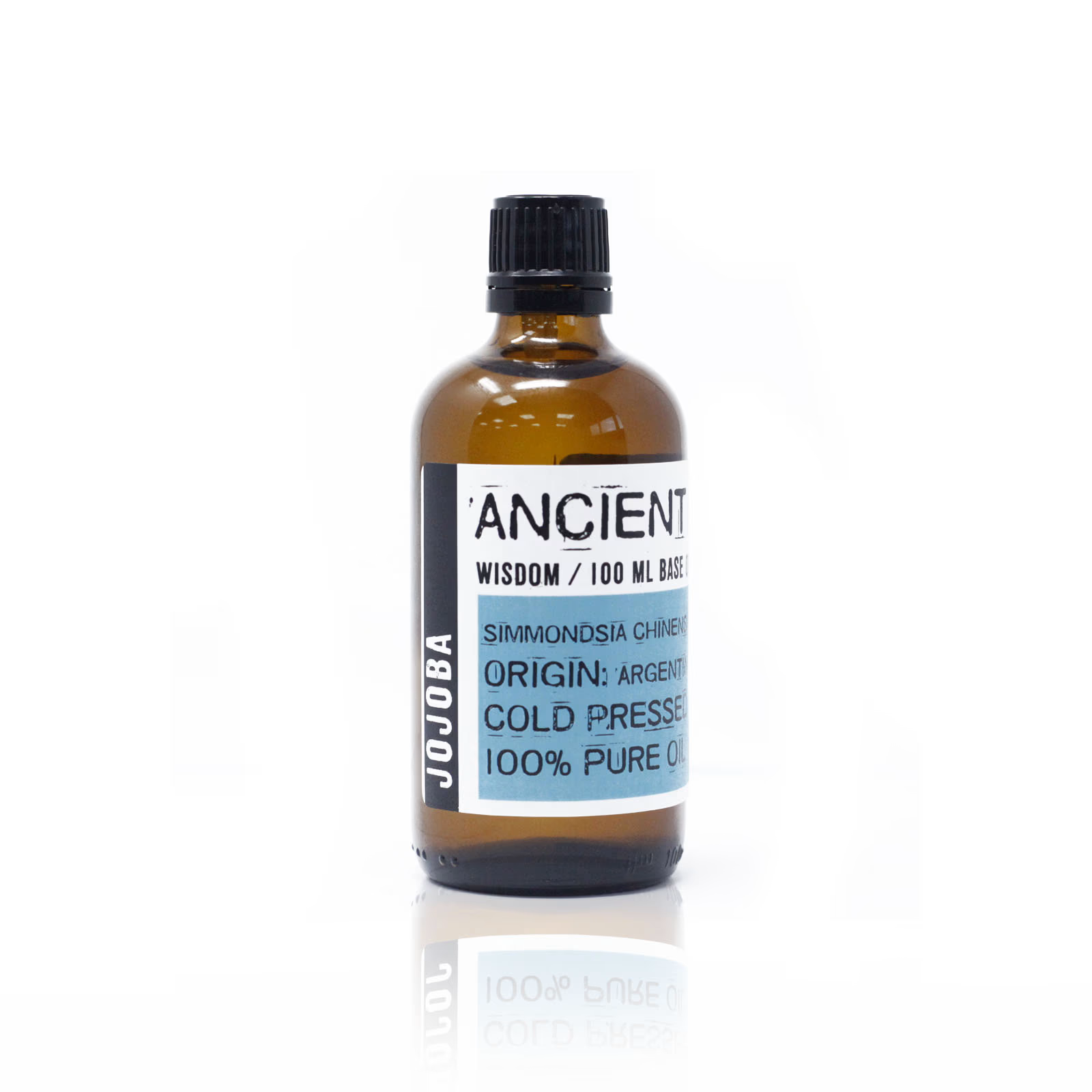
Jojoba oil is often chosen when people want a balanced and versatile feel. Rosehip and argan are often chosen for smaller, more focused routines because they feel richer and more distinctive. Fractionated coconut oil can be useful when a clear, easy-spreading carrier is preferred.
Keep expectations sensible. A base oil can support a pleasant routine, help with texture and make essential-oil dilution more practical, but it should not be presented as a fix for skin concerns. If your skin is sensitive, patch test first and keep the routine simple.
Diluting essential oils safely
Dilution is one of the most important reasons to own a base oil. Essential oils are concentrated, so using them directly on the skin is not a good beginner habit. A base oil gives you a safer, more controlled way to use a tiny amount of essential oil in a larger blend.
The exact dilution depends on the oil, the person, the area of use and the product guidance. For beginners, the safest practical approach is to start low, make small blends and avoid using strong oils on sensitive areas. More is not better.
The How to Use Essential Oils Safely guide goes deeper into dilution, patch testing, children, pets, bath use and diffuser routines. Use that article alongside this one if you are building your first essential-oil collection.
Nut oils, allergies and personal sensitivity
Some base oils come from nuts or kernels, so personal sensitivity matters. Sweet almond, hazelnut, macadamia and apricot kernel oils may be unsuitable for some people depending on allergies or preferences. Always read the product information before choosing an oil for yourself or someone else.
If you are making a gift, avoid guessing about allergies. A neutral, clearly labelled product is safer than a blend with a long list of ingredients. If the recipient has sensitive skin, fragrance sensitivity or known allergies, keep the product simple and encourage them to patch test before wider use.
This is also where unscented routines can be helpful. A plain base oil can be useful without adding essential oils at all. Scent is enjoyable, but it is not required for every skin-use or massage routine.
Choosing between common base oils
Sweet almond oil is a practical starter for many customers because it is familiar, versatile and easy to understand. It suits people who want one general base oil for simple massage or body-oil style blending, as long as nut suitability is considered.
Grapeseed oil is often chosen for a lighter feel. It can be useful when you want a smooth carrier that does not feel too rich. Fractionated coconut oil is another practical option when you want a clear, easy-spreading oil for straightforward blends.
Jojoba, rosehip oil, argan and avocado oils are often chosen when texture and a more considered routine matter. They are good examples of base oils where the choice is less about fragrance and more about feel, finish and personal preference.
How base oils fit into home fragrance
Base oils are not the main product for scenting a room. If your goal is room fragrance, start with diffusers, oil burners, wax melts, reed diffusers, fragrance oils or essential oils used according to the method. Base oils belong more to skin-contact, massage and blending routines.
That said, base oils still belong in the wider Aromatherapy & Home Fragrance collection because many customers move between room scent, essential-oil use and body-care style blending. A customer might use essential oils in a diffuser one day and a safely diluted massage blend another day.
The key is not to mix up the methods. Use room-fragrance products for rooms. Use suitable base oils when a skin-contact blend is intended. This keeps the routine clearer and helps customers choose the right product for the job.
Storage and freshness
Base oils should be stored with care. Keep bottles closed, away from strong heat and direct sunlight, and use them within the product’s recommended timeframe. Oils can change over time, especially if they are exposed to light, air or heat.
Buy the size that matches your routine. A 50 ml bottle can be sensible for trying an oil or making small blends. A 100 ml bottle suits more regular use. Larger sizes can be useful for makers or frequent blending, but only if the oil will be used while it is still fresh.
It also helps to label your own blends. Write down the base oil, any essential oils used, the date, and the intended use. This avoids mystery bottles and makes it easier to repeat a blend you liked.
A simple starter set
If you are beginning, do not buy too many base oils at once. Start with one versatile carrier oil, one lighter oil and one richer oil if you genuinely need variety. That gives you enough comparison without turning the routine into clutter.
A practical starter approach could be sweet almond for general blending, grapeseed or fractionated coconut for a lighter feel, and rosehip, jojoba or argan for smaller skincare-style routines. The exact choices depend on allergies, texture preference and how you plan to use them.
Once you understand the feel of each oil, you can build from there. The best base oil collection is not the biggest one. It is the one you actually use safely and comfortably.
For safe everyday use, pair this base oils guide with the essential oil safety guide, the essential oils for home guide and the pure essential oils guide.
Frequently asked questions
What is the difference between a base oil and a carrier oil?
In everyday blending, the terms are often used in the same way. Both describe an oil used as the main base of a blend, especially when diluting essential oils for skin or massage use.
Can I apply essential oils without a base oil?
For beginner skin use, no. Essential oils are concentrated and usually need to be diluted in a suitable base oil before skin contact. Always follow product guidance and start with low, simple blends.
Which base oil is best for massage?
A lighter or medium-feel oil is often easiest for massage because it spreads well. Sweet almond, grapeseed and fractionated coconut are common starting points, depending on preference and allergy considerations.
Which base oil should I start with?
If you want one simple starting point, choose a versatile oil that suits your preferences and allergy needs. Sweet almond is familiar, grapeseed feels lighter, fractionated coconut is clear and easy-spreading, and jojoba has a balanced feel.
Do base oils have a strong scent?
Most base oils have a mild natural aroma rather than a strong perfume-like scent. If you want strong room fragrance, choose a suitable fragrance oil, essential oil, wax melt or diffuser product instead.