
Oil burners are simple, but they need careful use
An oil burner is one of the most traditional ways to fragrance a room. It combines a decorative burner, a small tealight and a fragrance product, creating a warm scent moment that feels more intentional than a background diffuser or room spray.
Aroma Sentia’s Oil Burners collection includes ceramic, metal, stone and decorative designs, from simple stands to more sculptural pieces. They are often chosen for living rooms, hallways, quiet corners and evening routines because they add both scent and atmosphere.
The method is simple, but it should not be treated casually. An oil burner uses heat, so safe placement, correct product choice and supervision matter. This guide explains how to use fragrance oils, essential oils and wax melts in a burner without over-scenting the room or using the wrong product for the method.
How an oil burner works
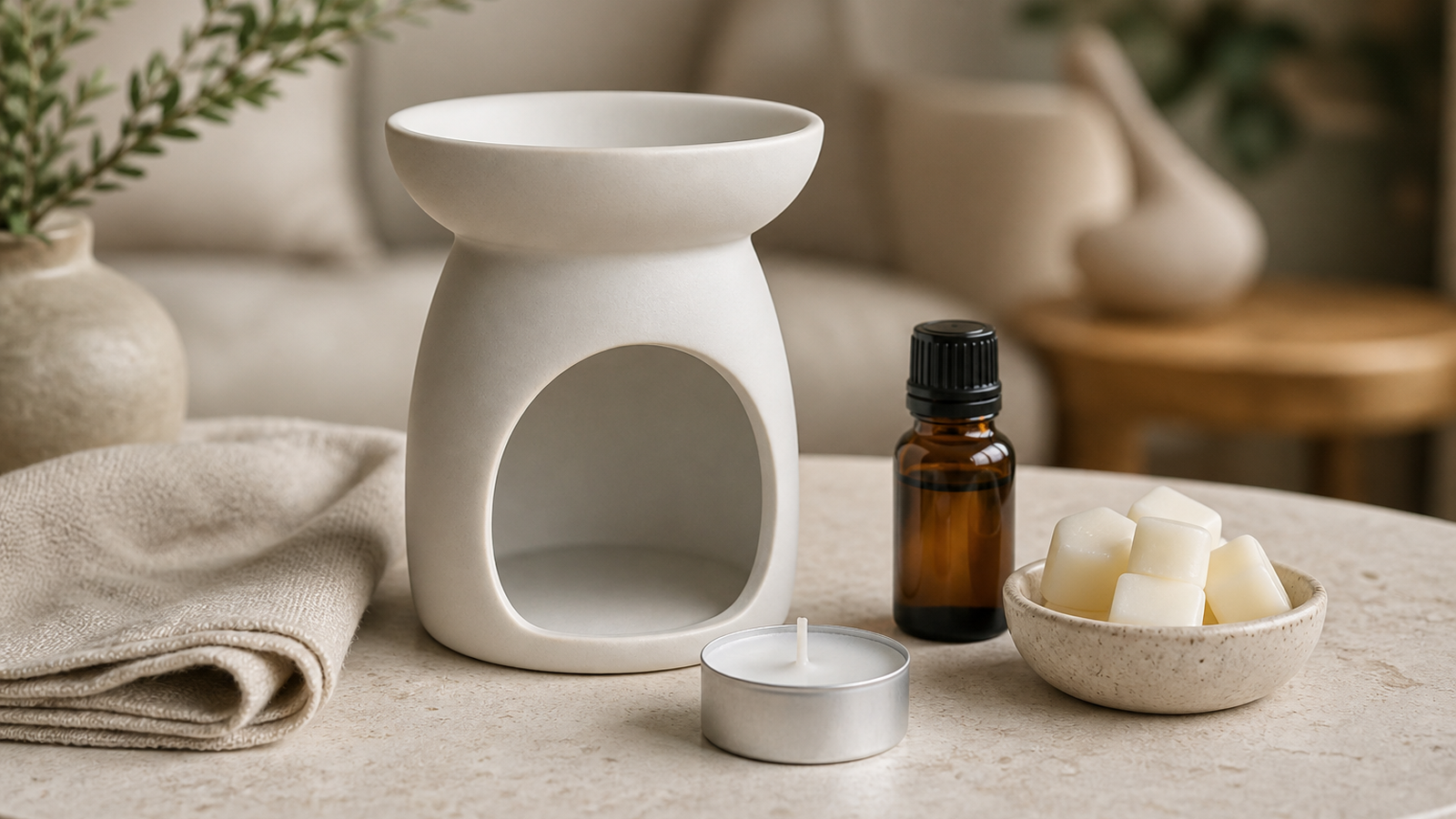
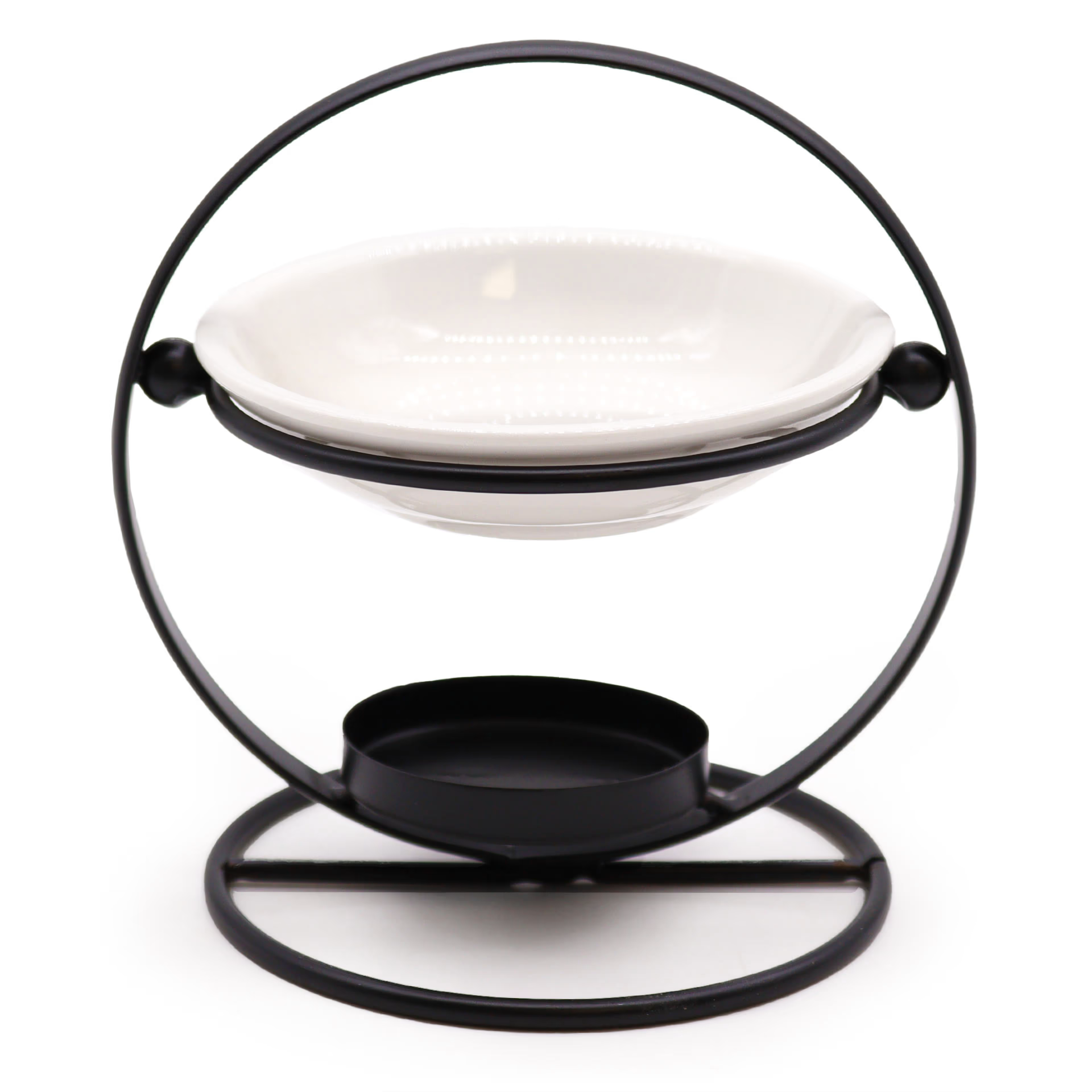
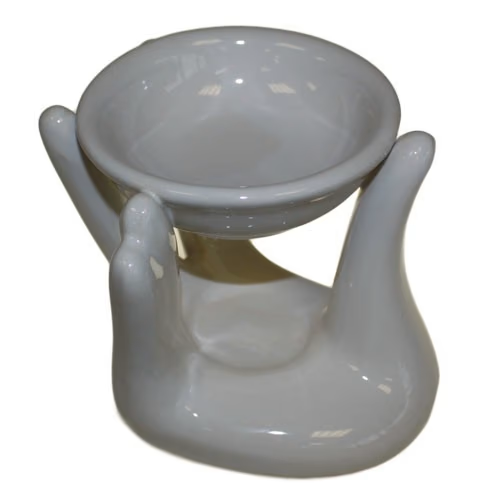
Most traditional oil burners have two main parts: a space for a tealight underneath and a dish or bowl above. The tealight gently warms the dish, helping fragrance rise into the room.
When using a suitable oil, the usual method is to add water to the dish first, then add a small amount of fragrance oil or essential oil. The warmth helps the scented water release fragrance gradually. The water also helps prevent the oil from sitting directly on a hot surface.
When using a suitable wax melt, the method is different. A wax melt normally goes into a clean, dry dish, where it softens as the burner warms. Water is usually not added for wax melts unless a product gives a specific instruction. This is why the label and burner instructions matter.
An oil burner is not the same as an electric diffuser. It does not mist, atomise or run on a timer. It is a heated fragrance method, and that means it should be used while you are present and able to keep an eye on it.
Choose a stable burner before choosing the scent
The burner itself affects the experience. A good burner should sit flat, feel stable and have a dish that is suitable for the fragrance product you want to use. It should also have enough space around the tealight so heat can move properly and the candle can be placed safely.
A larger dish can be useful if you enjoy longer scent sessions with oil and water, because the water may take longer to evaporate. A glazed or smooth dish is easier to wipe clean when you change fragrance. A compact design may suit a small shelf or bathroom, while a larger decorative burner can work well in a living room.
Place the burner on a heat-resistant, level surface. Keep it away from curtains, shelves, loose papers, draughts and anything that could be damaged by warmth. It should also be out of reach of children and pets.
How to use fragrance oils in an oil burner
Fragrance oils are often chosen for oil burners because they offer a broad range of scent styles. They can be fresh, floral, fruity, woody, sweet, spicy, seasonal or clean. If you enjoy changing the atmosphere of a room by mood or occasion, fragrance oils are usually the most flexible choice.
To use a suitable fragrance oil in a traditional burner, add water to the dish first, then add a small amount of oil. Start lightly. A few drops can be enough, especially in a small room or with a strong fragrance. It is easier to use a little more next time than to fix a room that has become too heavily scented.
Let the scent develop for a short while before deciding whether it is strong enough. Warmth changes how fragrance behaves, so the oil may smell stronger in the room than it does from the bottle.
How to use essential oils in an oil burner
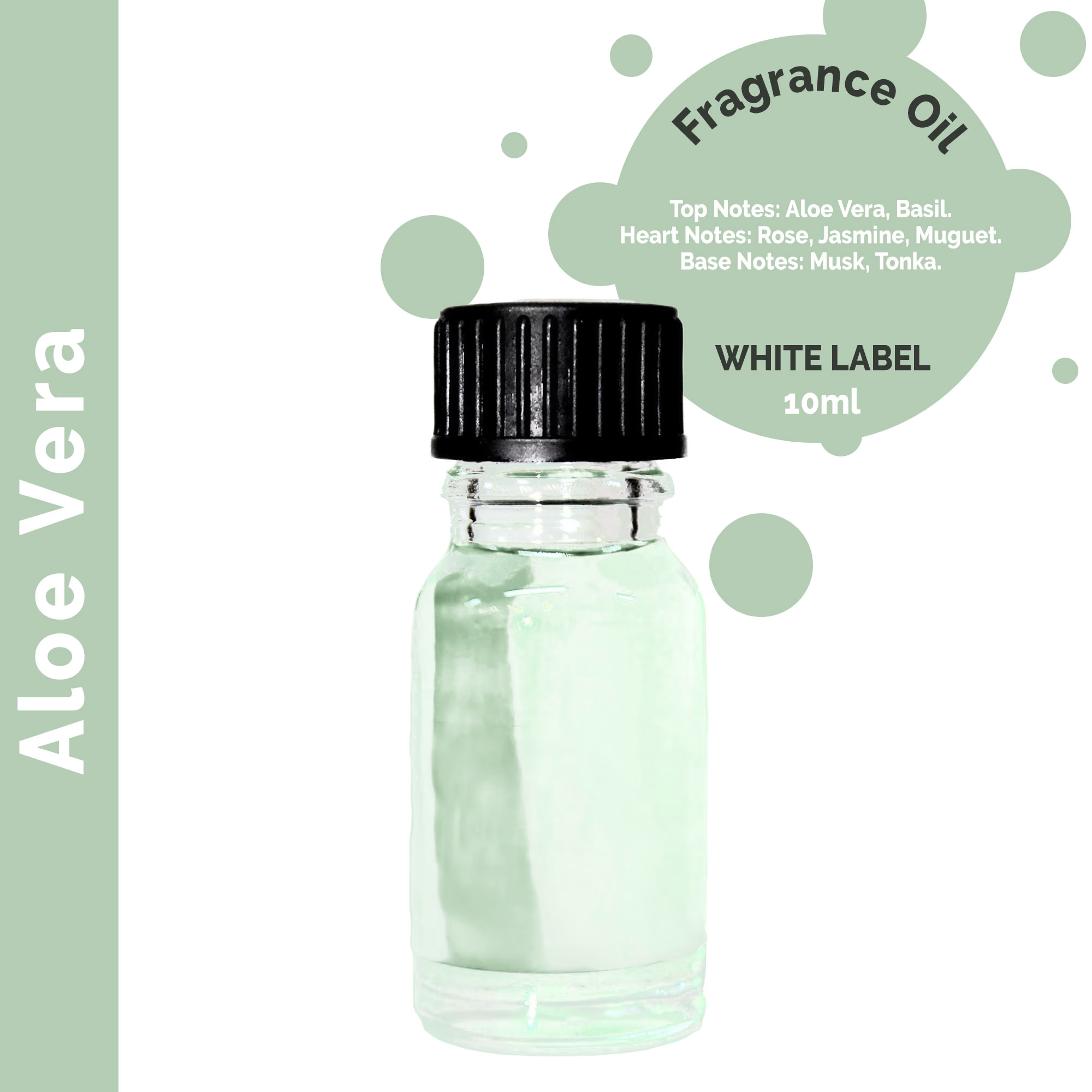
Essential oils can also be used in a suitable oil burner when the product instructions allow it. They are concentrated plant-derived aromatic products, so they should be used sparingly and thoughtfully.
The basic approach is similar to fragrance oils: water first, then a small amount of essential oil. Use the burner in a ventilated room, keep the scent light and avoid treating essential oils as casual perfumes. Natural does not automatically mean mild in every situation.
Essential oils are often chosen when you want a botanical scent family such as citrus, lavender-style floral, minty, herbal, woody or resinous notes. If you are unsure which oil suits which room, read How to Choose the Right Essential Oil for Your Home and How to Use Essential Oils Safely.
If someone in the home is sensitive to strong scents, or if pets or young children are nearby, use extra caution. Keep the fragrance subtle, avoid long sessions and follow the product label.
How to use wax melts in an oil burner
Soy wax melts are popular because they are simple: the fragrance is already blended into the wax. Instead of measuring drops into water, you place a wax melt in a suitable warmer or burner and let the scent release as the wax softens.
Use wax melts only with a burner or warmer that is suitable for them. Place the melt in a clean, dry dish. Do not add water unless the product instructions specifically say to do so. As the wax warms, it will melt into a pool and release fragrance.
One wax melt can scent a room more strongly than expected, so start with one piece or a smaller portion if the melt is designed to be divided. When the tealight is extinguished, the wax will cool and harden again. It can usually be reused until the scent becomes faint.

Water levels and scent strength
For oils used with water, do not let the dish run dry while the tealight is still burning. If the water evaporates, the remaining oil and dish can become too hot, and the scent may smell harsh rather than pleasant.
Fill the dish to a sensible level according to the burner design, leaving enough room so the water does not spill when moved or warmed. Add only a small amount of oil at first. The right amount depends on the size of the room, the strength of the oil and how long you plan to use the burner.
If the fragrance feels too strong, extinguish the tealight and allow the room to air. Next time, use fewer drops, a lighter scent or a shorter session. A good home fragrance should feel pleasant when you enter the room, not overpowering after a few minutes.
Where to place an oil burner
Placement affects both safety and scent performance. Put the burner on a flat, stable and heat-resistant surface. Avoid window ledges with draughts, crowded shelves, bedside tables with loose fabric, and places where the burner could be knocked.
A living room sideboard, a clear mantelpiece with safe spacing, a dining room surface after food has been cleared, or a quiet hallway shelf may work well if the burner can be supervised. Avoid placing a burner directly under low shelves, close to curtains or near anything that could catch heat.
Do not move the burner while it is lit or hot. Extinguish the tealight first, then let the burner cool fully before lifting it.
Cleaning and changing fragrance
Cleaning helps prevent old scents from mixing with new ones. It also keeps the burner looking better and helps the dish perform properly.
For oil and water, wait until the burner has cooled, then empty the remaining liquid and wipe the dish clean. If residue remains, use warm water and a gentle cloth according to the material of the burner. Avoid harsh scraping that could damage the surface.
For wax melts, let the wax cool and harden before removing it. Some wax can be gently loosened once firm. If the scent is still noticeable, keep the wax for another session. If the scent has faded, remove it and wipe the dish before adding a new melt.
Oil burner safety reminders
Never leave a lit oil burner unattended. Extinguish the tealight before leaving the room, going to bed or starting another task that takes you away from the burner.
Keep the burner away from children, pets, draughts and flammable materials. Use only suitable tealights, and do not use a larger candle than the burner is designed for. A larger flame may create too much heat.
Do not overfill the dish. Do not touch the burner while it is hot. Do not add cold water to a very hot dish, as sudden temperature changes can damage some materials. Let the burner cool naturally.
Use fragrance in a ventilated space and keep the scent moderate. If a scent feels too strong, stop the session and air the room.
Which rooms suit oil burners best
Oil burners work best in rooms where you are present and can enjoy the fragrance as part of the atmosphere. Living rooms, reading corners and evening spaces are natural choices because the burner can be watched and appreciated.
They can also be useful in a hallway before guests arrive, as long as the burner is placed safely and not left alone. In bathrooms, use extra caution because small rooms can become heavily scented quickly, and surfaces may be more crowded.
Bedrooms need a lighter approach. If you use an oil burner in a bedroom, do it while awake and present, then extinguish the tealight before sleep. For overnight or unattended background scent, a reed diffuser or another flame-free method is usually more practical.
Oil burners compared with diffusers
Oil burners and diffusers are both useful, but they suit different habits. A burner gives warmth, visual atmosphere and a short fragrance session. A diffuser or atomiser is usually better when you want flame-free, controlled scenting as part of a daily routine.
If you are deciding between methods, the Beginner’s Guide to Home Fragrance is a good starting point.
Many homes use both. A diffuser may suit the office or bedroom, while an oil burner suits the living room. The best choice depends on whether you want convenience, warmth, background scent or a decorative fragrance ritual.
Common oil burner mistakes
The first mistake is using too much fragrance. Oil burners warm scent, so a small amount can travel further than expected. Start with less and adjust later.
The second mistake is letting the dish dry out when using oil and water. Keep an eye on the water level during the session and stop if it becomes too low.
The third mistake is treating wax melts like oils. Wax melts usually go into a clean, dry dish and should be used only with a suitable burner or warmer.
The fourth mistake is leaving the room while the burner is lit. Even a small tealight is still an open flame and should be supervised.
Final guidance
An oil burner can be a beautiful and practical way to enjoy home fragrance when it is used with care. Choose a stable burner, match the fragrance product to the method, keep scent strength moderate and never leave a lit burner unattended.
For scent variety, browse fragrance oils. For botanical aromas, browse essential oils. For a ready-made cosy scent option, browse soy wax melts. If you want the broader collection of scent accessories, visit Atomisers, Diffusers & Oil burners.
If you are still deciding which oil type to buy, compare them in Essential Oils vs Fragrance Oils: What’s the Difference?. If you want a simpler finished scent product rather than a burner setup, browse home scents.
If you are comparing heat-based and low-effort scenting, continue with the diffusers, atomisers and oil burners guide, the soy wax melts guide and the essential oil safety guide.
For oil burners and everything you need to use them safely, browse the aromatherapy and home fragrance collection.
Frequently asked questions
Do you put water in an oil burner?
For fragrance oils or essential oils, many traditional oil burners use water in the dish with a small amount of oil added. Always follow the instructions for the burner and the fragrance product. Wax melts are normally used in a clean, dry dish if the burner is suitable for melts.
Can I use wax melts in an oil burner?
Only use wax melts in an oil burner if the burner is suitable for melts. Place the wax melt in a clean, dry dish and do not add water unless the product instructions specifically say otherwise.
How many drops of oil should I use in an oil burner?
Start with a small amount, often a few drops in water, then adjust next time if the room needs more scent. The right amount depends on the room size, scent strength and product instructions.
Can I leave an oil burner on while I leave the room?
No. A lit oil burner should never be left unattended. Extinguish the tealight before leaving the room, going to sleep or moving the burner.
How do I clean an oil burner after use?
Let the burner cool fully first. Then remove any leftover water, oil or cooled wax according to the product instructions and wipe the dish clean before changing fragrance.