What ecological means for essential oils
Ecological essential oils are about more than a pleasant scent. The word points to how the plant is grown, harvested, processed and supplied, and how those steps relate to the environment around them. In practical terms, it asks whether an oil respects the plant source, the land, the production process and the person using it.
This matters because essential oils are concentrated products. A small bottle may represent a large amount of plant material, water, energy, farming knowledge and distillation skill. When you choose an ecological oil, you are looking beyond the fragrance and asking how responsibly that aroma reached the bottle.
Ecological does not mean unlimited use, medical use or automatic superiority in every situation. It means the source and process deserve attention. A good ecological essential oil should still be chosen by scent, purpose, label clarity and safe handling.
Ecological, organic and pure: how they differ
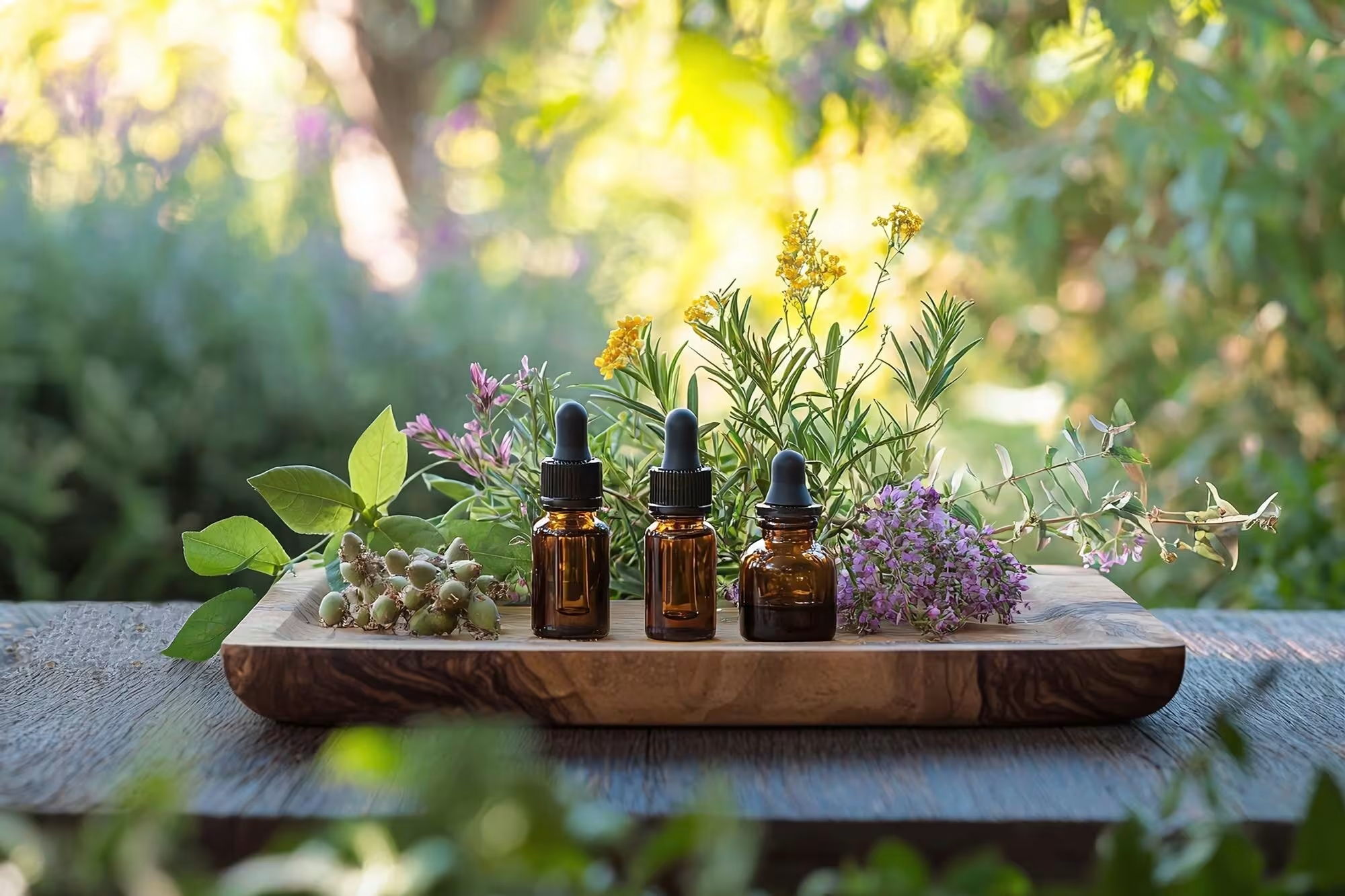
The words ecological, organic and pure are related, but they are not identical. Pure usually refers to what is in the bottle: the oil should match the named botanical source without unclear dilution or unrelated scent added. Organic usually refers to a defined growing or certification standard. Ecological is broader and looks at the relationship between the plant, the land, the production method and the wider environment.
An oil can be pure without being ecological. An oil can be natural but still come from a supply chain with limited transparency. An oil can be organic but still tell you very little about how it was distilled, stored or transported. The strongest choice is usually a product that combines clear botanical identity, responsible sourcing and realistic claims.
If you want the purity angle in more detail, read Pure Essential Oils. If you are comparing essential oils with crafted scent blends, read Essential Oils vs Fragrance Oils.
Why source changes the quality story
Sourcing affects scent character, consistency and trust. Plants grown in different climates, soils and harvest conditions can produce oils with different aromatic profiles. The same botanical name can still vary depending on location, season, handling and distillation.
A responsible supplier should care about plant identity, harvesting, storage, distillation and batch consistency. For the customer, that means a better chance of receiving an oil that smells true, performs predictably and fits the intended use.
Source also matters because some aromatic plants require careful harvesting. A responsible approach avoids treating plant material as an endless resource. It considers soil health, plant regeneration, water use, farming practices and long-term availability.
The role of distillation and processing
Distillation is where plant material becomes an essential oil. Time, temperature, pressure, equipment and handling all influence the final aroma. A rushed or careless process can flatten the scent, while careful distillation can preserve more of the plant’s natural aromatic character.
This does not mean every customer needs to become a chemist. It simply means production method matters. When a product gives no useful information beyond a vague “natural” claim, it becomes harder to judge quality. When the product name, source, usage guidance and precautions are clear, the buying decision becomes easier.
Processing also includes storage after extraction. Essential oils should be protected from heat, light and oxygen. A well-sourced oil can still lose quality if it is stored poorly before reaching the customer.
How to identify a better ecological oil
A better ecological oil should be easy to understand. Look for a clear product name, botanical identity where available, sensible usage guidance, storage advice and safety information. The product should not rely only on emotional language or broad wellness claims.
Be careful with labels that use many impressive words but very little detail. “Natural,” “pure,” “premium,” “therapeutic” and “eco” can all sound reassuring, but the useful question is simple: what is it, where does it come from, how should it be used, and what precautions matter?
A good oil should also fit the way you plan to use it. A beautiful ecological essential oil may be ideal for a diffuser or carefully used oil burner, but it still needs dilution for skin use and careful handling around children, pets and sensitive people.
Price can also be a clue, though not the only clue. Ecological growing and careful distillation often cost more because they require better raw material, more attention and slower production choices. A very cheap oil is not automatically bad, but if the price seems unusually low for the plant, it is worth reading the label more carefully.
Questions to ask before buying
Before choosing an ecological essential oil, ask what you want it to do in your home. Are you buying it for a fresh diffuser routine, a softer evening scent, an oil burner, a diluted skin routine or simply to explore a botanical note? The right oil depends on the use case.
Next, ask whether the label gives enough detail. A helpful product page should make the oil easy to understand without needing exaggerated promises. It should tell you what the oil is, how it is intended to be used, and what safety guidance matters.
Finally, ask whether you actually like the scent. Responsible sourcing matters, but the oil still needs to suit your home. If an ecological oil is too sharp, too heavy or too medicinal for your taste, choose a different botanical family rather than forcing yourself to use it.
Ecological oils and safe home use
Ecological does not remove the need for safety. Essential oils are concentrated and should be handled sensibly. Use small amounts, ventilate rooms, avoid contact with eyes and sensitive areas, and store bottles away from children, pets, heat and direct sunlight.
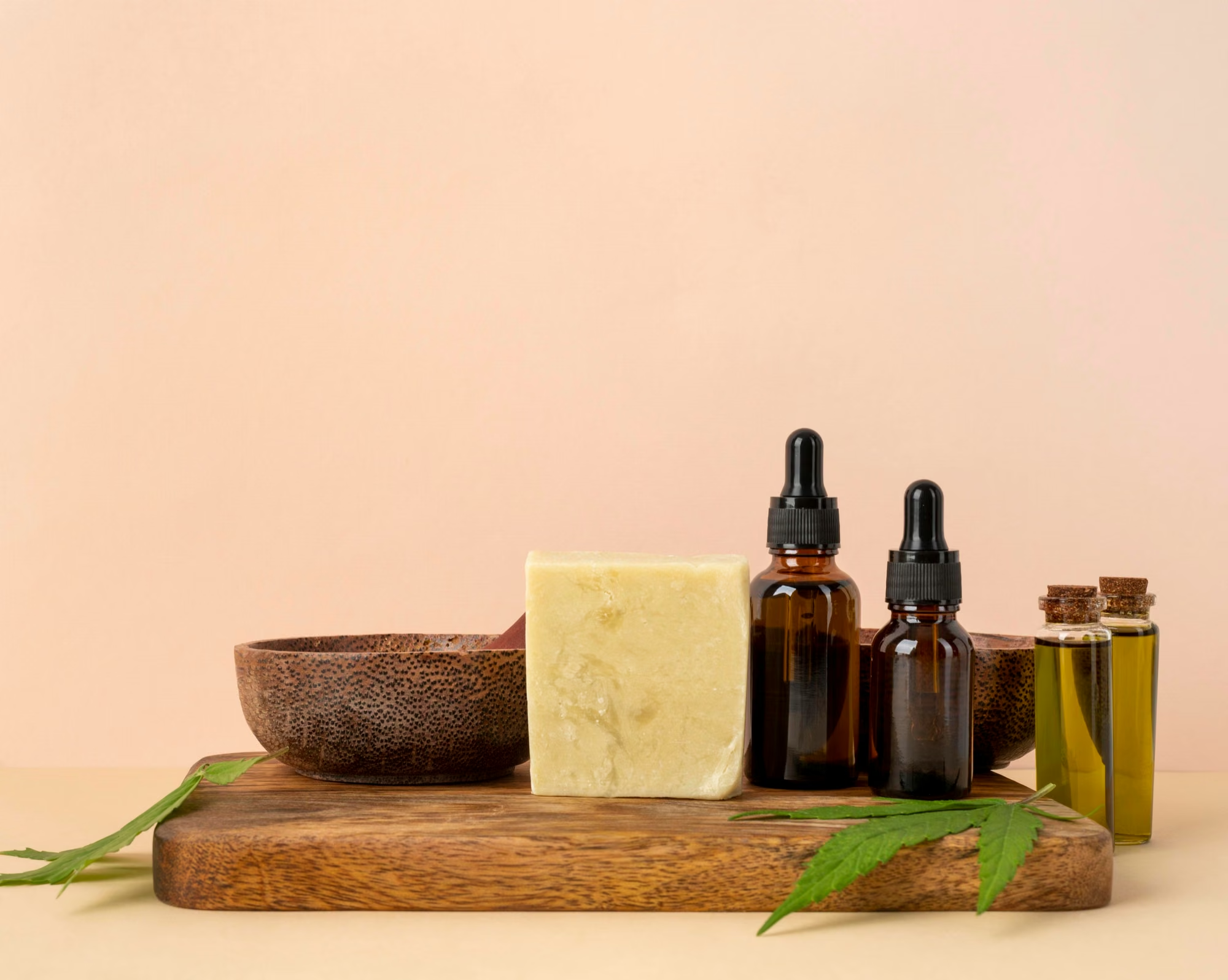
If you want to use essential oils on skin, dilute them in a suitable Base Oil and patch test first. Do not apply essential oils neat to skin unless a qualified professional has given specific guidance for that use.
For more practical safety guidance, read How to Use Essential Oils Safely before using any essential oil in a new way.
Choosing ecological essential oils by purpose
Start with the purpose, not the trend. If you want a clean daytime room scent, citrus, rosemary, eucalyptus or minty notes may suit the space. If you want a softer evening scent, lavender, cedarwood, frankincense-style notes or gentle floral oils may feel more comfortable. If you want a grounding room atmosphere, woods, resins and herbal notes can work well.
For beginners, choose one or two familiar oils first. Learn how they behave in your room, how strong they feel, and which method you prefer. Once you understand your own scent preferences, it becomes easier to buy better oils rather than more oils.
If you want room-by-room examples, the guide to Choosing Essential Oils for Your Home gives practical ideas for kitchens, bathrooms, bedrooms and living spaces.
Ecological oils in diffusers and burners
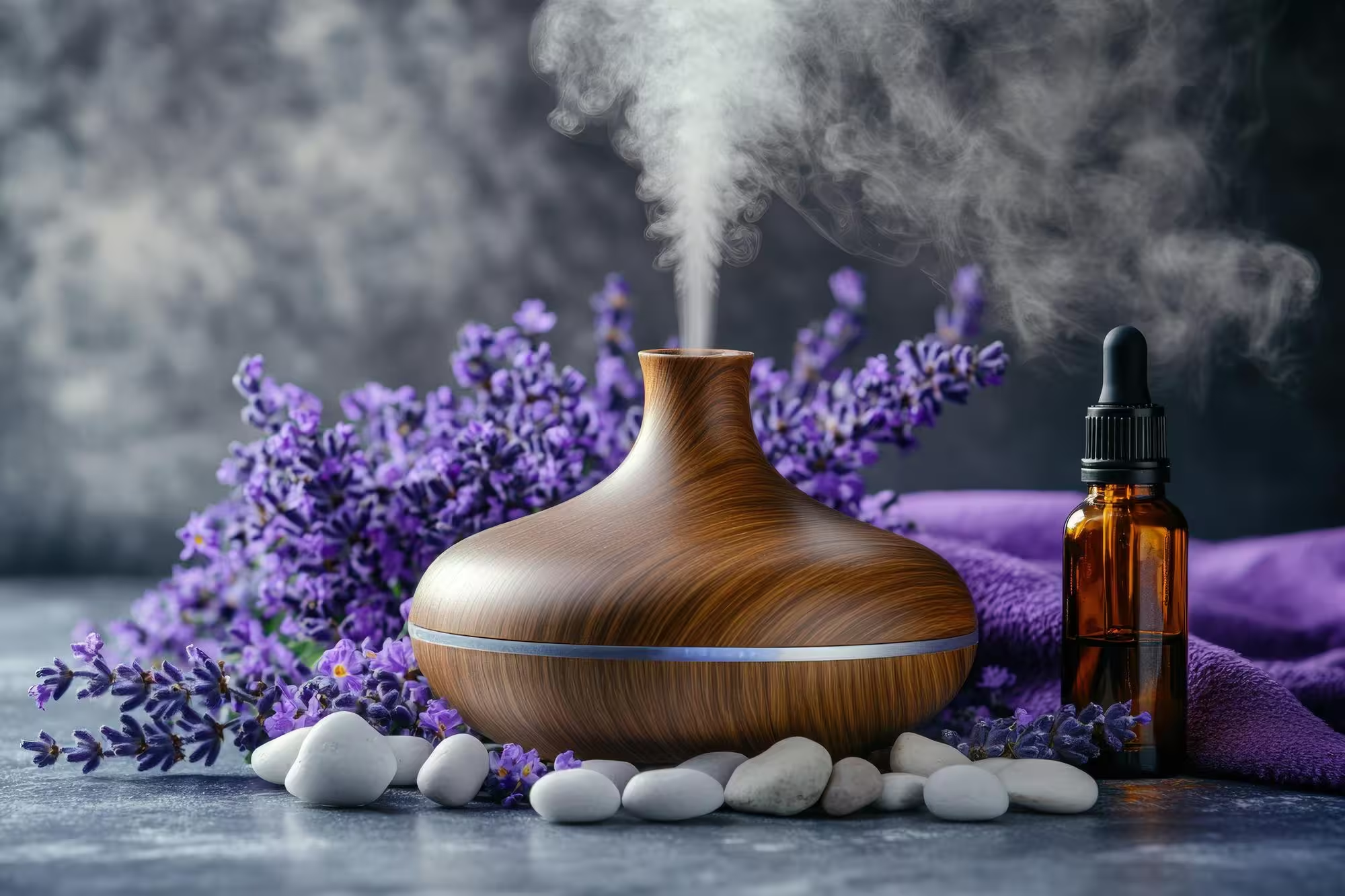
Diffusers and oil burners are two of the most common ways to use ecological essential oils at home. A diffuser can create a lighter, more even background scent, while an Oil Burner gives a more traditional fragrance ritual.
Whichever method you choose, start small. A few drops can be enough, especially in a smaller room. Keep the space ventilated, avoid continuous heavy scenting and clean your diffuser or burner regularly so old residue does not change the scent.
For a broader view of methods, the Beginner’s Guide to Home Fragrance explains how oils, burners, diffusers, wax melts and other formats fit together.
When fragrance oils may be the better choice
Ecological essential oils are a good fit when you want a plant-led aroma and a stronger connection to source. But not every home fragrance need has to be met with an essential oil. If you want vanilla, fresh linen, amber, bakery notes, sea breeze, soft musk or a very specific seasonal scent, Fragrance Oils may be the better choice.
This is not a downgrade. It is about using the right product for the right purpose. Essential oils are best for botanical scent. Fragrance oils are best for creative scent styles. Many homes benefit from both, used in the right context.
Start with the wider Aromatherapy & Home Fragrance category if you want to compare product formats before choosing.
Storing ecological essential oils correctly
Good storage protects the effort that went into sourcing and producing the oil. Keep bottles tightly closed, upright and away from sunlight, heat and moisture. Avoid storing oils next to radiators, sunny windowsills or burners.
Buy quantities you can realistically use. A smaller bottle kept well is often better than a large bottle that sits open for too long. Citrus oils may have a shorter useful life than heavier wood or resin oils, so check scent and appearance before use if a bottle has been open for a long time.
If an oil changes smell dramatically, thickens, becomes cloudy unexpectedly or irritates your skin, stop using it.
Building a small ecological oil collection
A small, thoughtful collection is better than a drawer full of bottles you rarely use. Start with one bright oil, one soft oil and one deeper oil. This gives you enough range for daytime freshness, evening softness and warmer room scenting without overbuying.
For bright scent, many people begin with citrus or herbal oils. For softness, lavender and gentle floral or herbaceous oils are familiar starting points. For depth, woods and resinous notes can make a room feel more grounded. Once you know which scent family you reach for most often, you can expand with more confidence.
This approach also respects the ecological idea behind the article. Buying fewer oils, using them properly and storing them well is more responsible than buying many bottles because the label sounds attractive.
Related essential oil guides
For practical use after choosing ecological essential oils, read the base oils guide, the essential oil safety guide and the diffusers, atomisers and oil burners guide.
Frequently asked questions
Are ecological essential oils the same as organic essential oils?
Not always. Organic usually refers to a certification or growing standard, while ecological is a broader idea connected to plant source, environment, processing and responsible production.
Are ecological essential oils safer than standard essential oils?
They may offer better sourcing confidence, but they are still concentrated essential oils. Use them with the same safety habits: small amounts, ventilation, dilution for skin and careful storage.
Can I use ecological oils in a diffuser?
Yes, if the oil and diffuser are suitable. Follow the diffuser instructions, start with a low number of drops, ventilate the room and avoid heavy continuous use.
Why does source matter so much?
Source affects plant quality, scent profile, consistency and trust. Essential oils are concentrated, so growing, harvesting, distillation and storage choices matter more than they might with ordinary scented products.
Where should beginners start?
Start with one or two familiar oils, a simple diffuser or burner routine and the safe-use guide. Once you understand how the scent behaves in your home, expand slowly.