Sensitive skin is not a single condition — it is a spectrum. Some people react to synthetic fragrance, others to harsh detergents, and many simply find commercial soap bars too drying. The good news is that handmade natural soap for sensitive skin, chosen carefully, can be one of the gentlest ways to wash. The trick is knowing which ingredients support sensitive skin and which ones to approach with care.
This guide explains what to look for in a natural soap when your skin is easily irritated, which ingredients help, which to be careful with and how to test a new bar safely.
What makes a soap gentle on sensitive skin
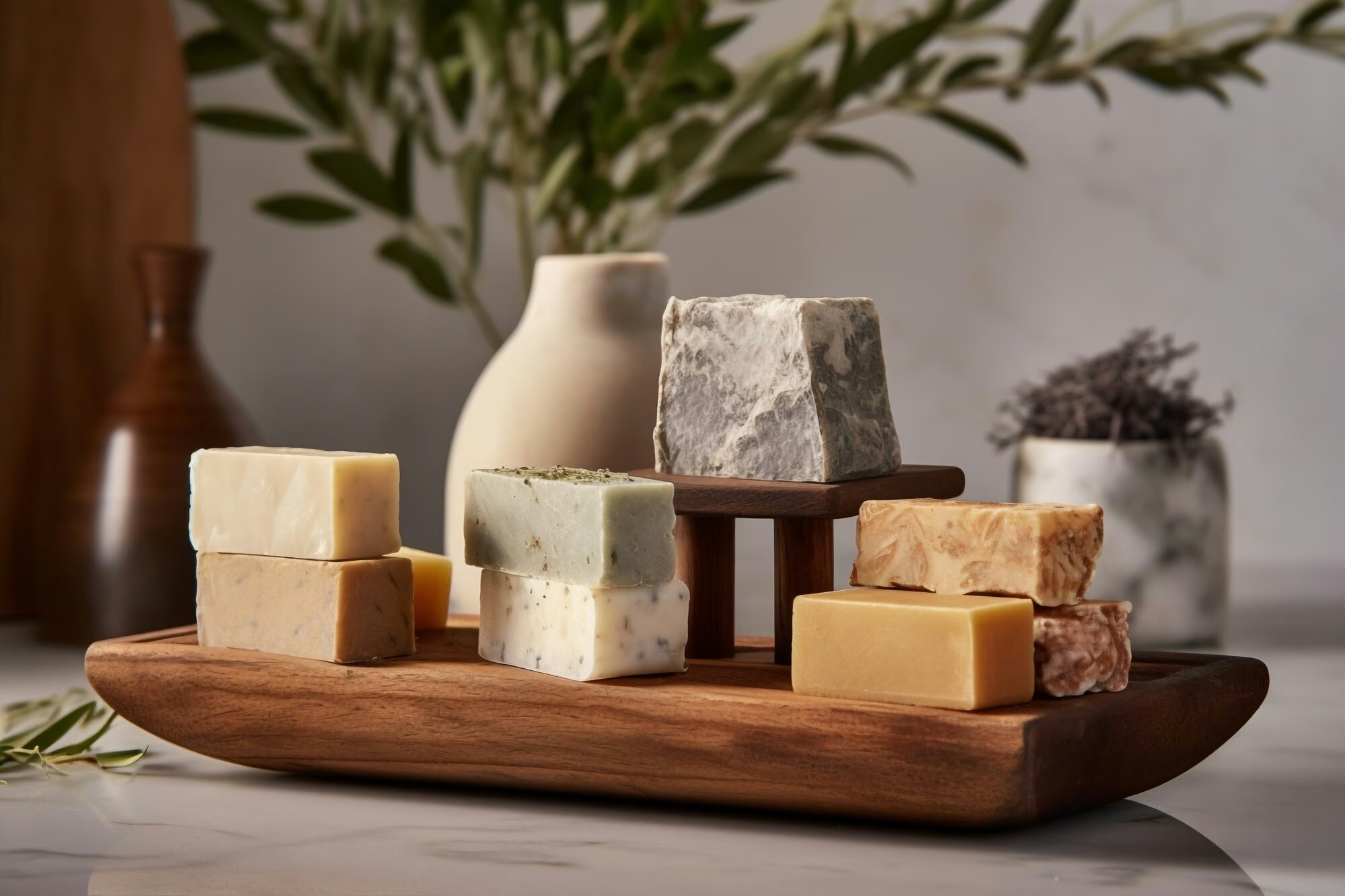
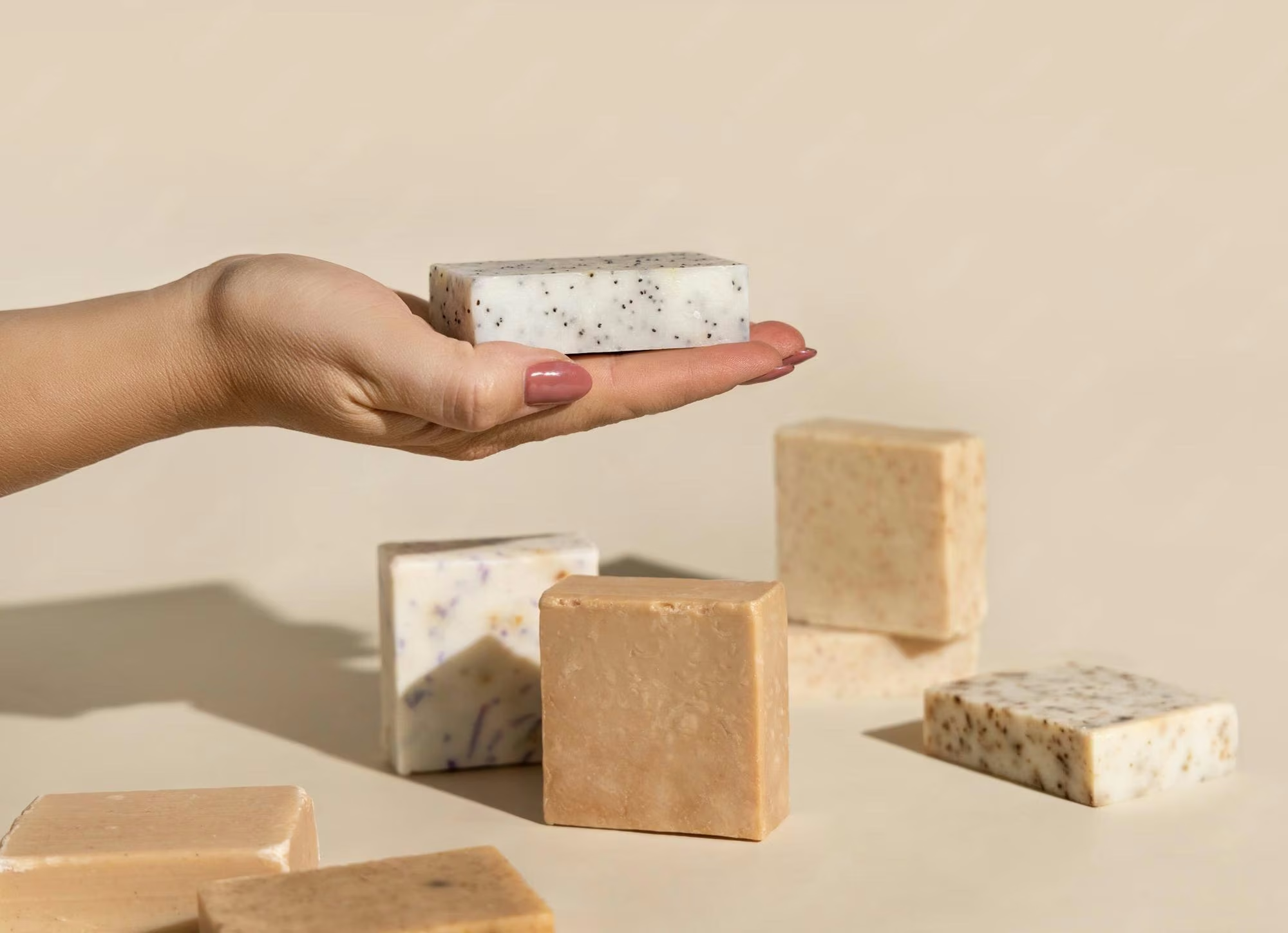
Gentleness comes from the recipe, not the label. A bar made through saponification from mild plant oils — olive oil above all — retains its natural glycerin, which draws moisture to the skin and supports a softer after-wash feel. Natural handmade soaps also skip the synthetic detergents, sulfates and artificial foaming agents found in many commercial bars, which is exactly what makes them attractive to sensitive skin.
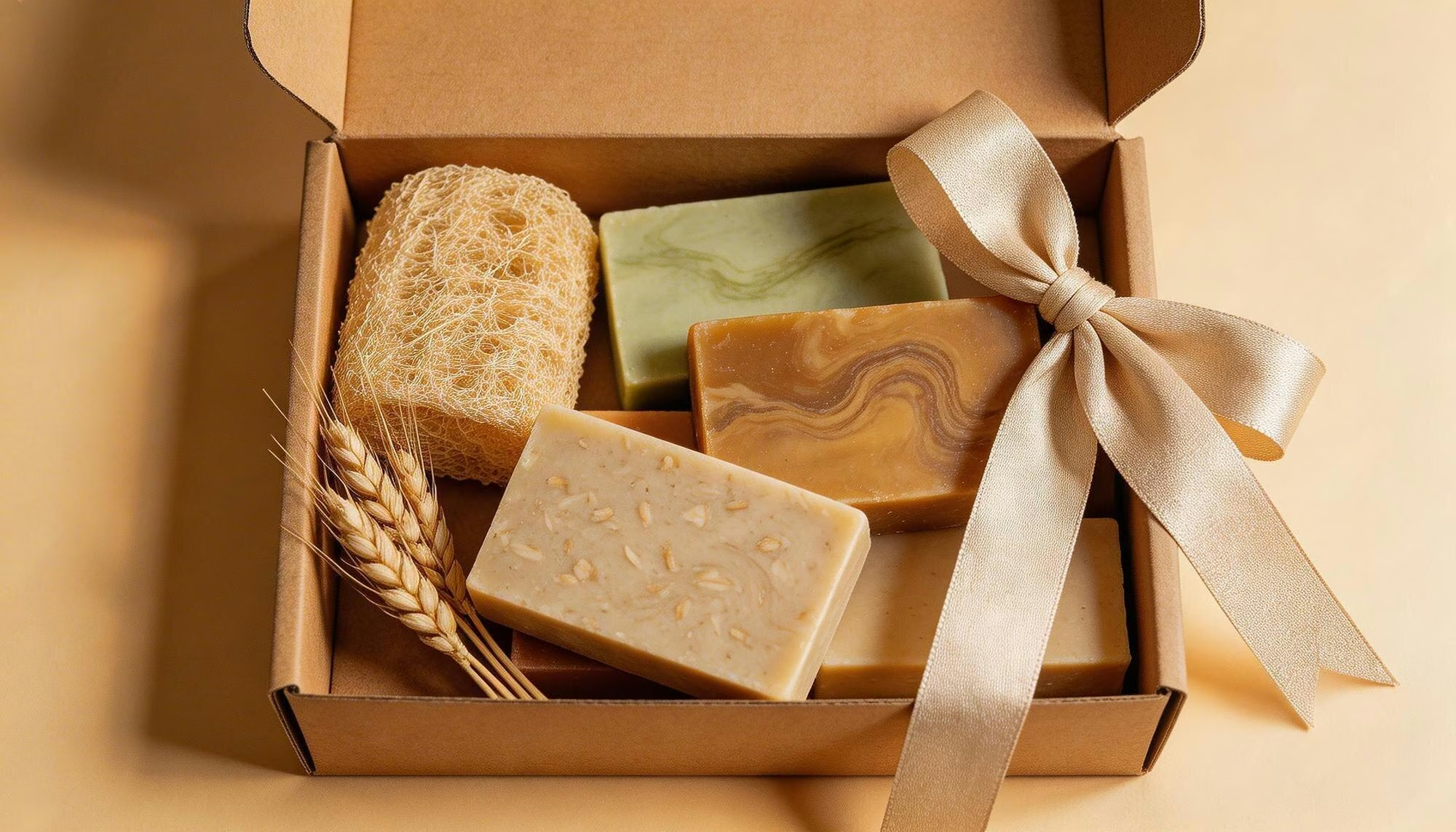
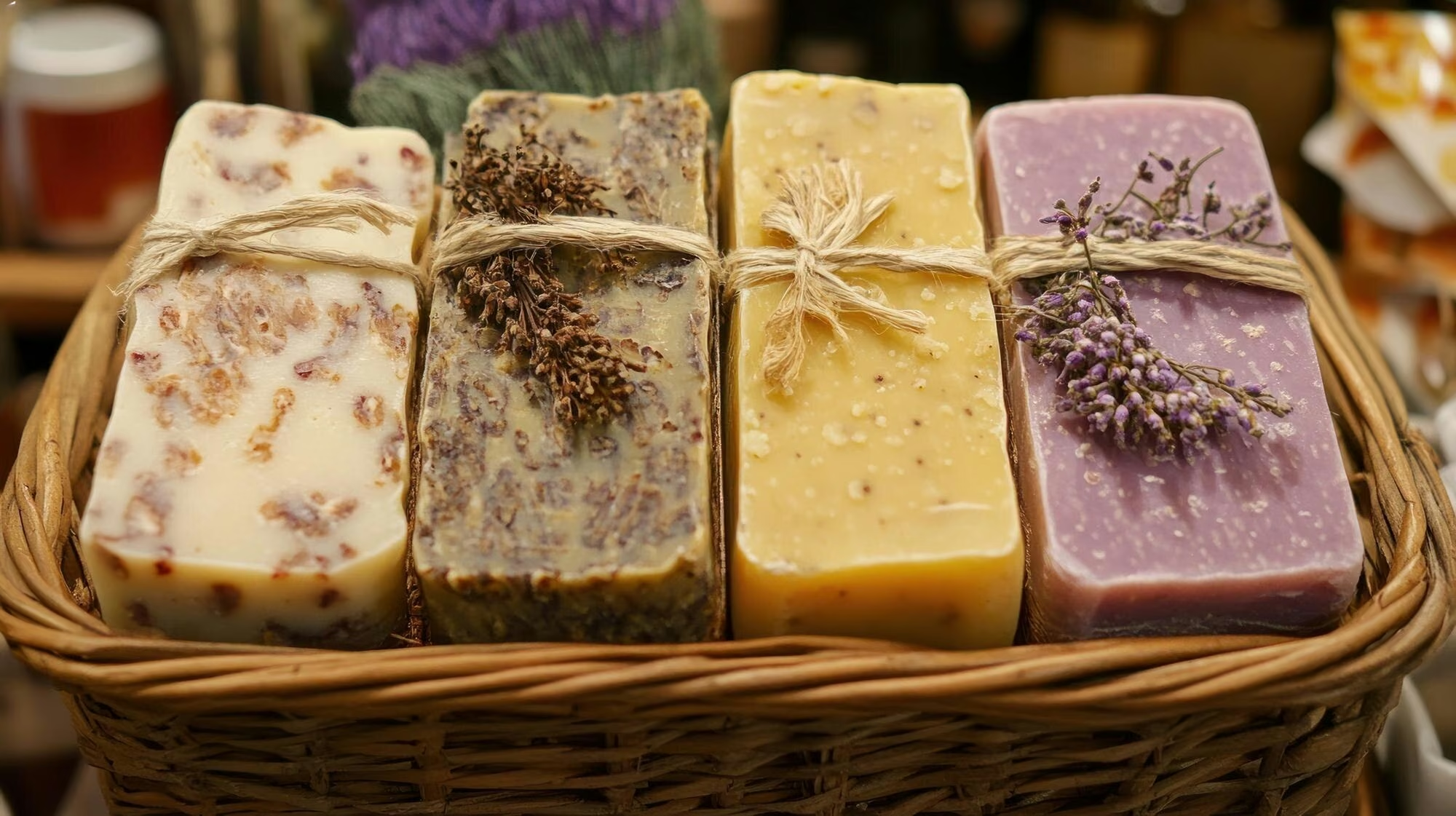
The Natural Soaps collection is built around this idea: olive-oil bars, shea-based recipes, unscented options and bars coloured with natural clays rather than synthetic dyes. A gentle bar should feel comfortable from the first wash — not tight, not tingly and not stripped.
Ingredients to look for
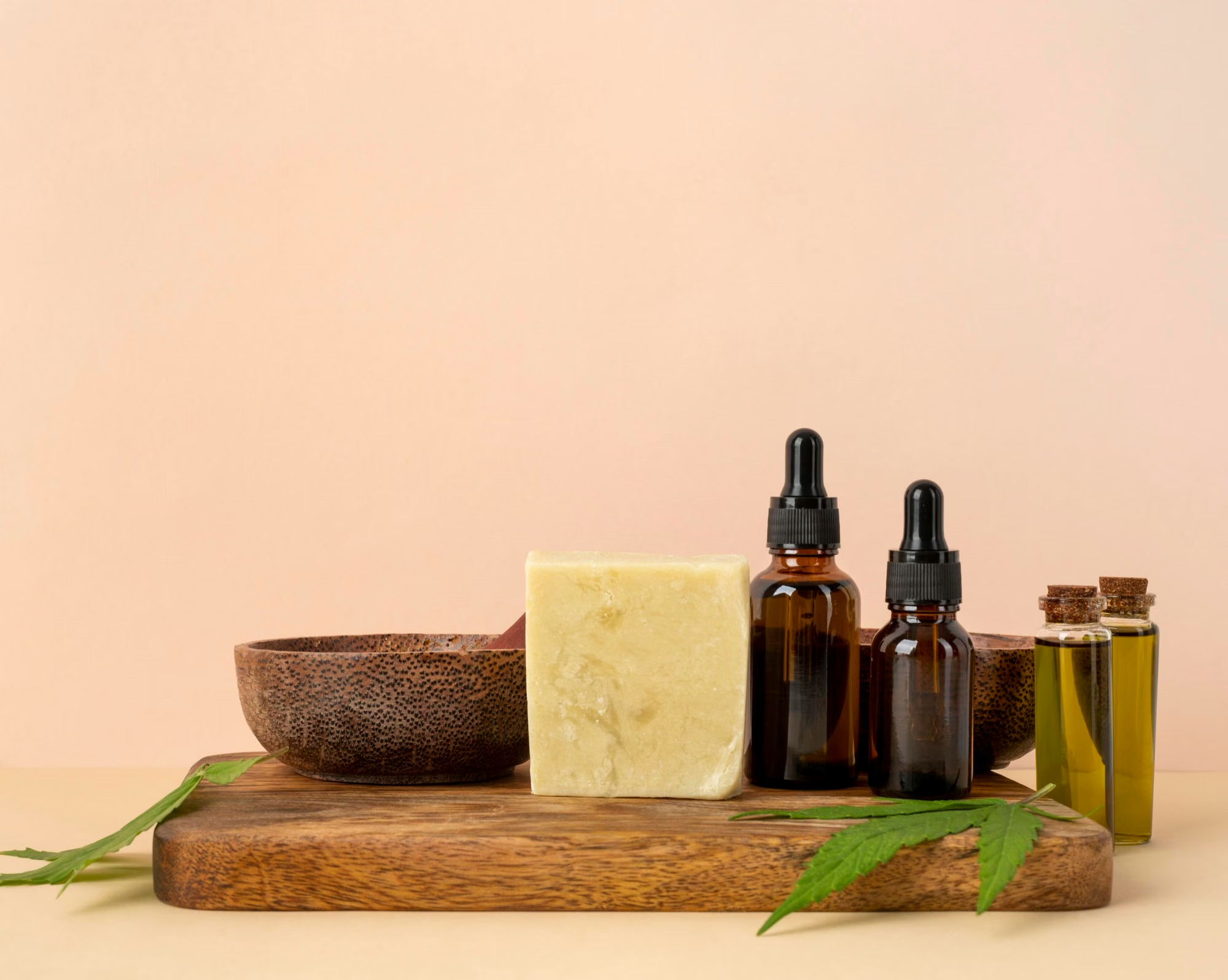
When you read a natural soap label for sensitive skin, these are the ingredients that usually help:
- Olive oil — the classic mild base, rich in oleic acid; well-cured olive oil bars are among the gentlest options.
- Shea butter — emollient and nourishing, lovely for dry and mature skin that is also sensitive.
- Goat milk — a traditional gentle addition in soaps such as the Goat Milk Olive Oil Soap; many people with reactive skin find it very comfortable.
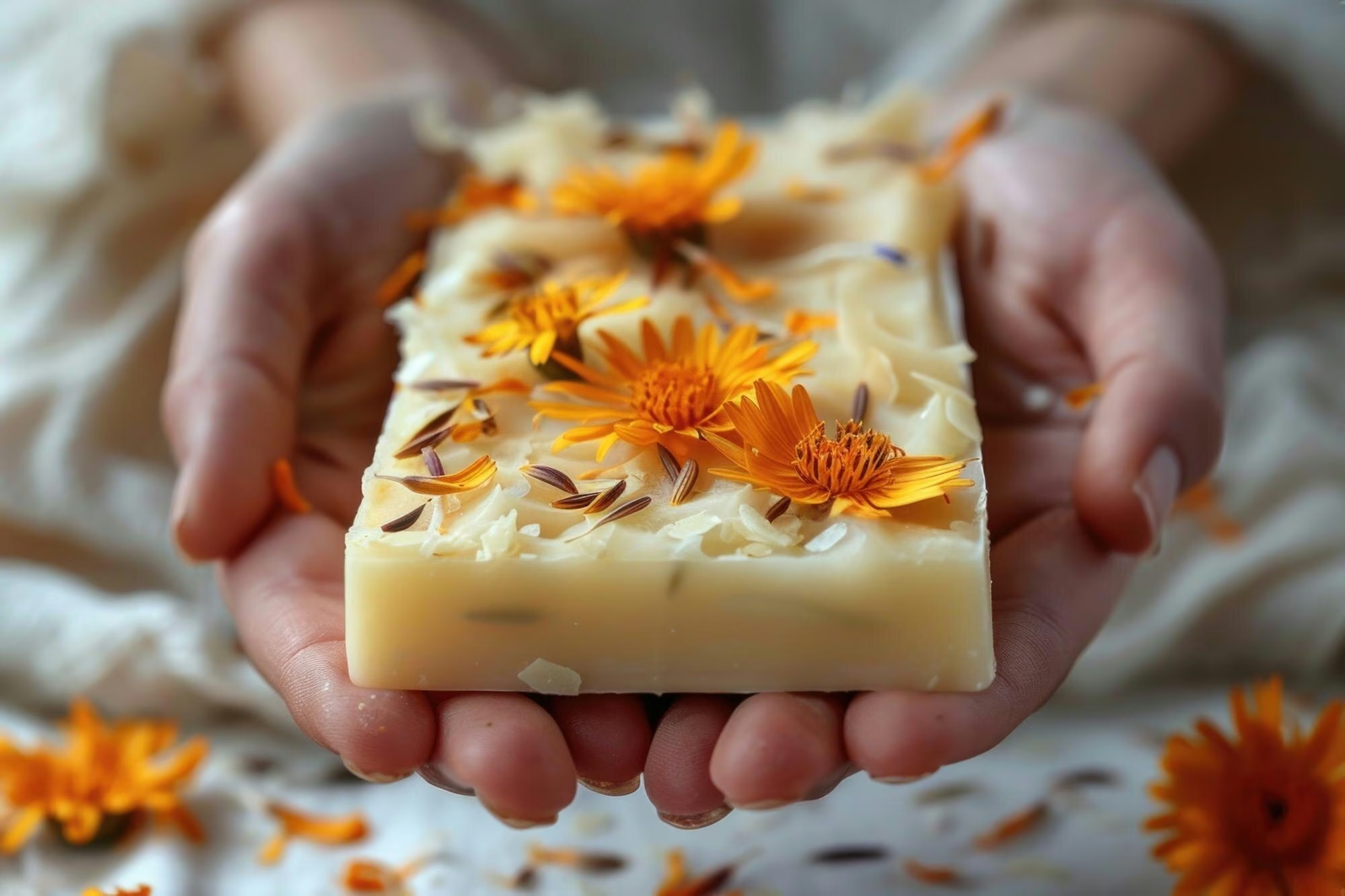
- Oatmeal, calendula and chamomile — soothing botanicals that add a soft, gentle character.
- Natural clays and charcoal — gentle colourants and clarifiers that avoid synthetic dyes.
- Retained glycerin — the natural humectant every handmade bar keeps, supporting soft, hydrated skin.
Ingredients to be careful with
- Strong essential oils — cinnamon, clove, heavy peppermint and intense citrus can feel too strong for reactive skin. Mild florals such as lavender and chamomile are usually gentler; the essential oils for soap guide has a full sensitive-skin section.
- Heavy exfoliation — scrubbing particles and coarse botanicals can irritate sensitive skin; a smooth, creamy bar is the gentler starting point.
- Very high pH — all true soap is alkaline, so a patch test matters, especially for facial use.
- Fragrance of any kind, when your skin is reacting — if your skin is currently irritated, an unscented bar is the safest choice.
Fragrance-free vs lightly scented
For genuinely reactive skin, fragrance-free is the safest starting point. An unscented bar such as the Charcoal Soap 85g – Unscented cleanses gently without adding any aromatic ingredients, which removes one whole category of potential irritation.
If you would still like a little scent, mild florals are the usual gentle middle ground — lavender and chamomile are far softer than spices or heavy mints. The key is the same as for any new product: try it slowly, patch-test and listen to your skin.
How to test a new soap safely
- Patch-test first — wash a small area such as the inner forearm with the new bar, rinse and wait 24 hours.
- If the area feels fine, use the bar on one part of your body for a few days before going all-in.
- Stop if you notice tightness, redness or tingling — that is your skin telling you something.
- For facial use, choose the mildest bar you can find and patch-test on the jawline before washing your face.
- When your skin is actively irritated, give it a break: unscented soap, lukewarm water and a soft washcloth.
A well-draining soap dish also helps sensitive-skin bars stay firm and hygienic — the Soap Dishes & Dispensers range has options that keep any bar elevated and dry between uses.
A gentle daily routine
The soap is only half of the equation; how you wash matters too. A simple, consistent routine supports sensitive skin far more than switching products constantly:
- Wash with lukewarm water — hot water strips the skin and makes any bar feel harsher.
- Lather in your hands or on a soft cloth first, then apply gently.
- Rinse thoroughly and pat dry rather than rubbing.
- Apply a moisturiser after washing if your skin likes one, while the skin is still slightly damp.
- Do not over-wash — sensitive skin usually prefers fewer, gentler washes over many quick ones.
With a mild bar, a careful routine and a little patience, most sensitive skin can enjoy the same natural soap experience as everyone else.
Natural soaps for sensitive skin in the Aroma Sentia collection
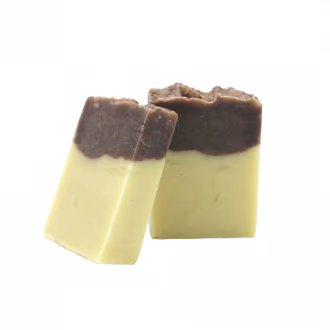
The Aroma Sentia Natural Soaps collection includes several gentle starting points: olive-oil bars with a mild, classic character, goat-milk recipes such as the Goat Milk Olive Oil Soap, and unscented options such as the Charcoal Soap 85g – Unscented.

If you are new to choosing natural soap at all, the handmade soap guide walks through ingredients, formats and skin types in one place.
FAQ
Is natural soap better for sensitive skin than commercial soap?
Many people with sensitive skin find natural handmade soap more comfortable because it skips synthetic detergents, sulfates and artificial foaming agents, and it retains the natural glycerin that supports soft, hydrated skin. The recipe still matters — choose mild oils and patch-test.
Which natural soap ingredients are best for sensitive skin?
Olive oil, shea butter, goat milk, oatmeal, calendula and chamomile are all traditionally gentle choices. Fragrance-free bars remove scent as a potential irritant entirely.
Should sensitive skin use fragrance-free soap?
If your skin is reactive or currently irritated, yes — unscented is the safest starting point. When your skin is calm, mild florals such as lavender or chamomile are often still comfortable.
How do I patch-test a new soap?
Wash a small area such as the inner forearm with the new bar, rinse and wait 24 hours. If the area feels fine, use the bar gradually before making it part of your daily routine.
Can sensitive skin use olive oil soap?
Yes. Well-cured olive oil soap is among the mildest natural options, thanks to its oleic acid and retained glycerin. Patch-test first, especially for facial use.
Is soap safe for a skin reaction right now?
When skin is actively irritated, the gentlest routine is best: unscented soap, lukewarm water and a soft cloth. If a reaction persists or worsens, seek advice from a healthcare professional rather than experimenting with more products.