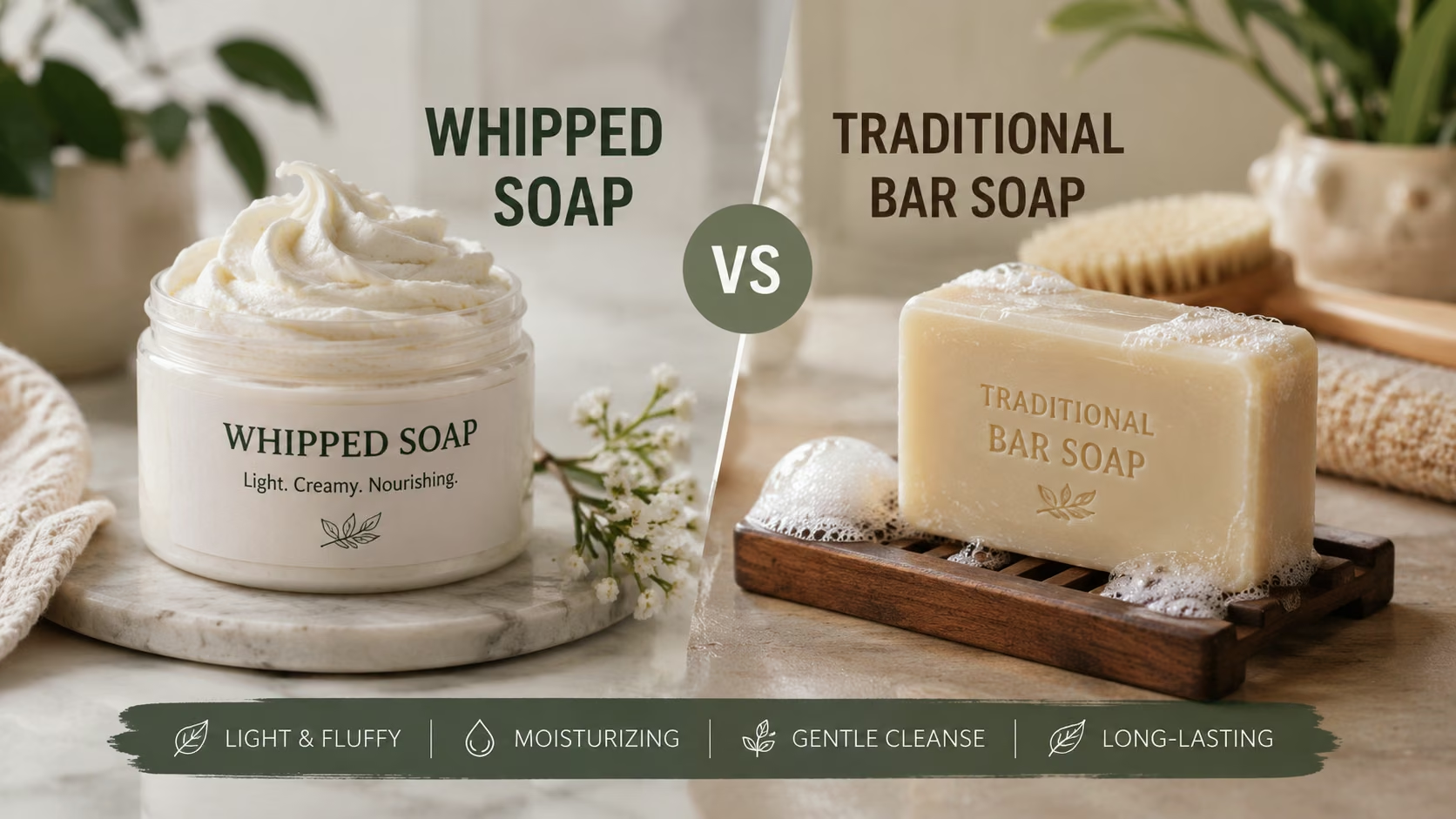
Natural soap comes in more than one shape, and the format changes the experience as much as the ingredients do. A whipped soap in a jar feels light, airy and indulgent, while a traditional bar is dense, firm and built to last. Neither is better than the other – they simply fit different moments, different skin types and different routines.
This guide compares the two formats side by side so you can choose with confidence. We look at how each one feels to use, how long it lasts, what kind of care it needs and which routine each format suits best.
What whipped soap is
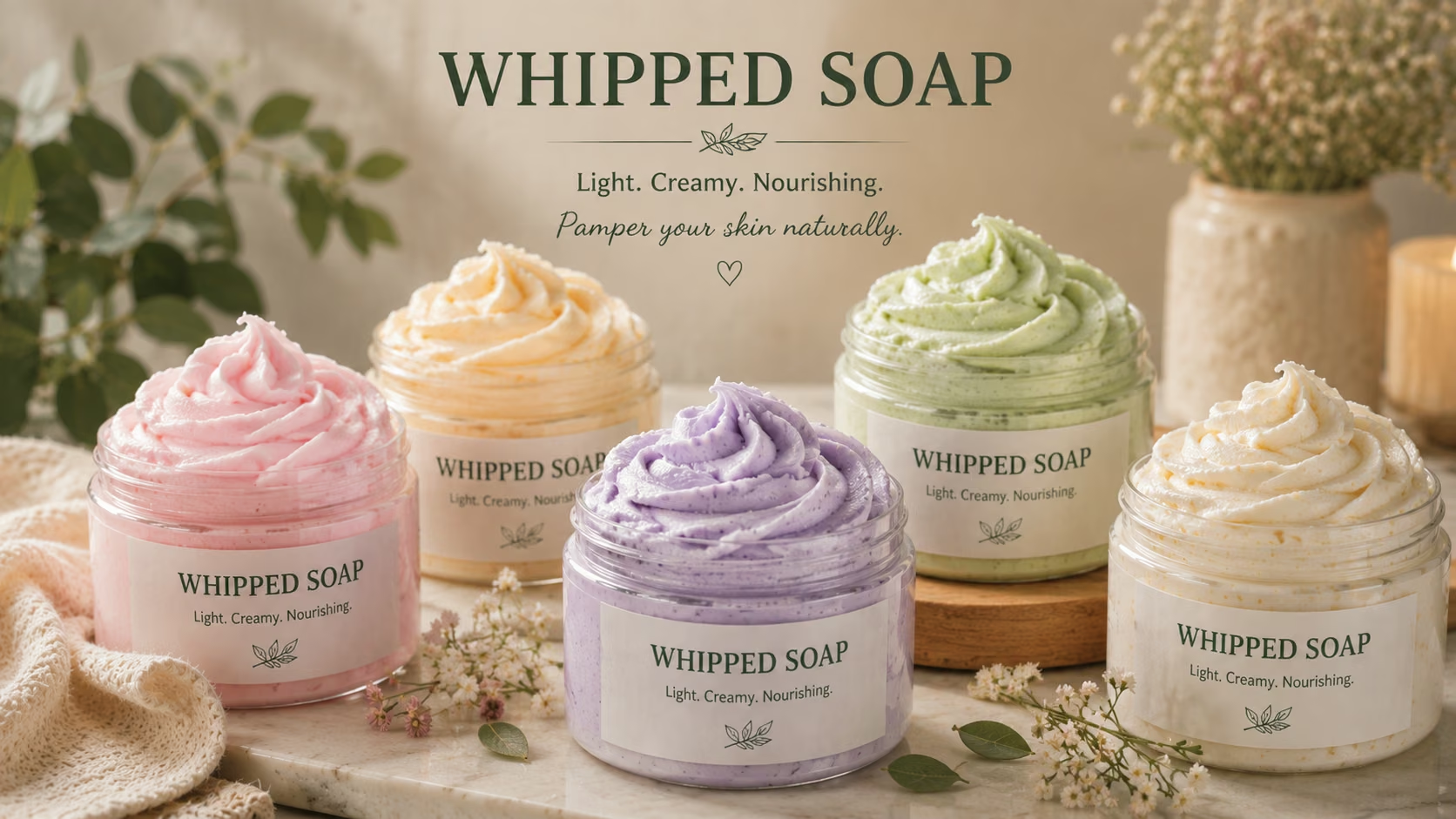
Whipped soap is exactly what it sounds like: natural soap whipped into a light, airy, mousse-like texture and sold in a jar or tub. It is scooped out with your hand or a small spoon, worked into a creamy lather and rinsed off. Because the texture is soft and quick to lather, whipped soap feels gentle and easy to use, especially in the shower or bath.
Many whipped soaps are enriched with skin-loving extras such as vitamin C or essential oil blends. The Aromatherapy Whipped Soap with Vitamin C is a good example – a light foamy wash with a bright, skin-friendly boost. Whipped soaps are also popular in seasonal and fruit-scented ranges, where the airy texture makes them feel like a small treat.
What a traditional bar is
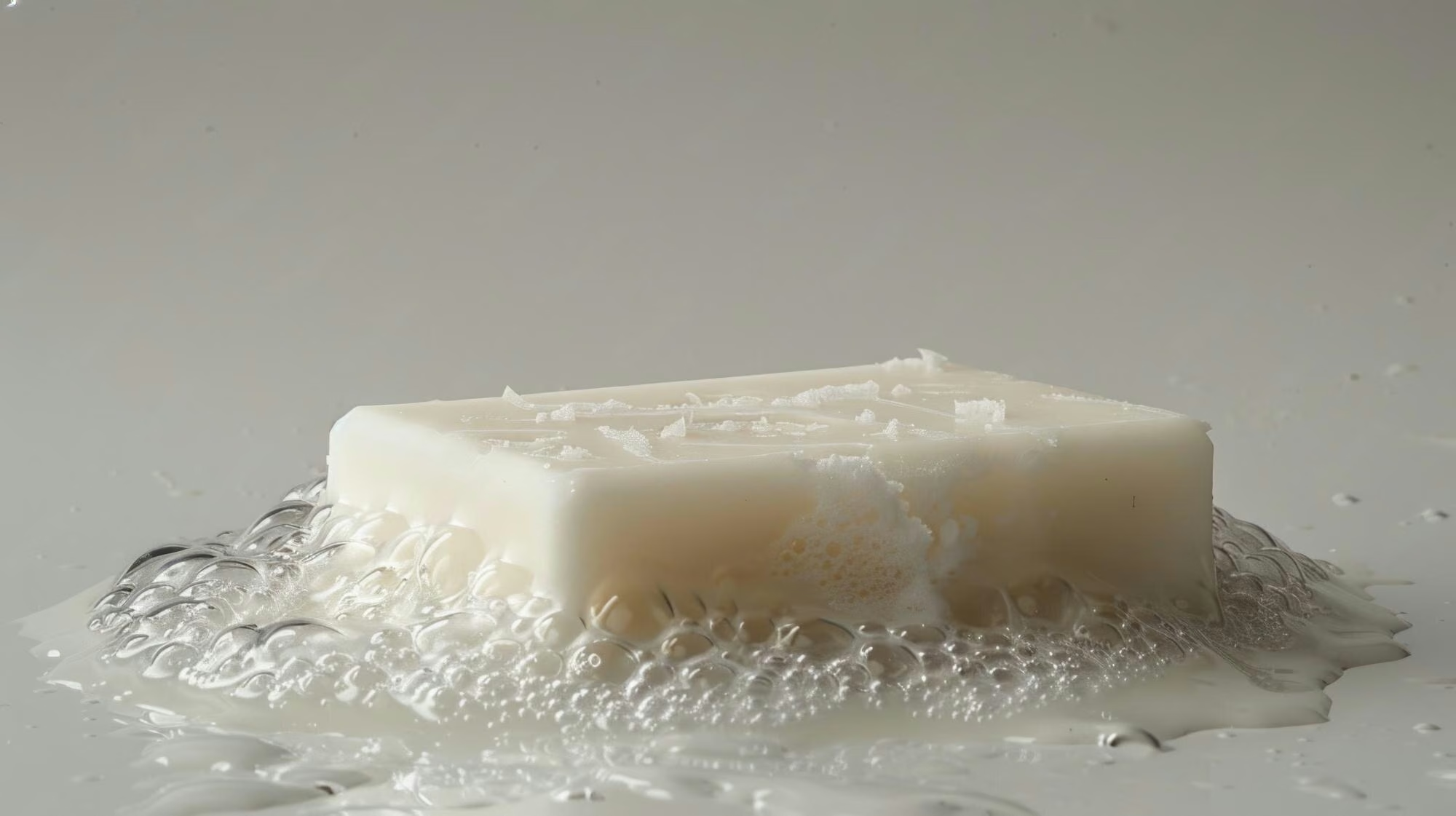
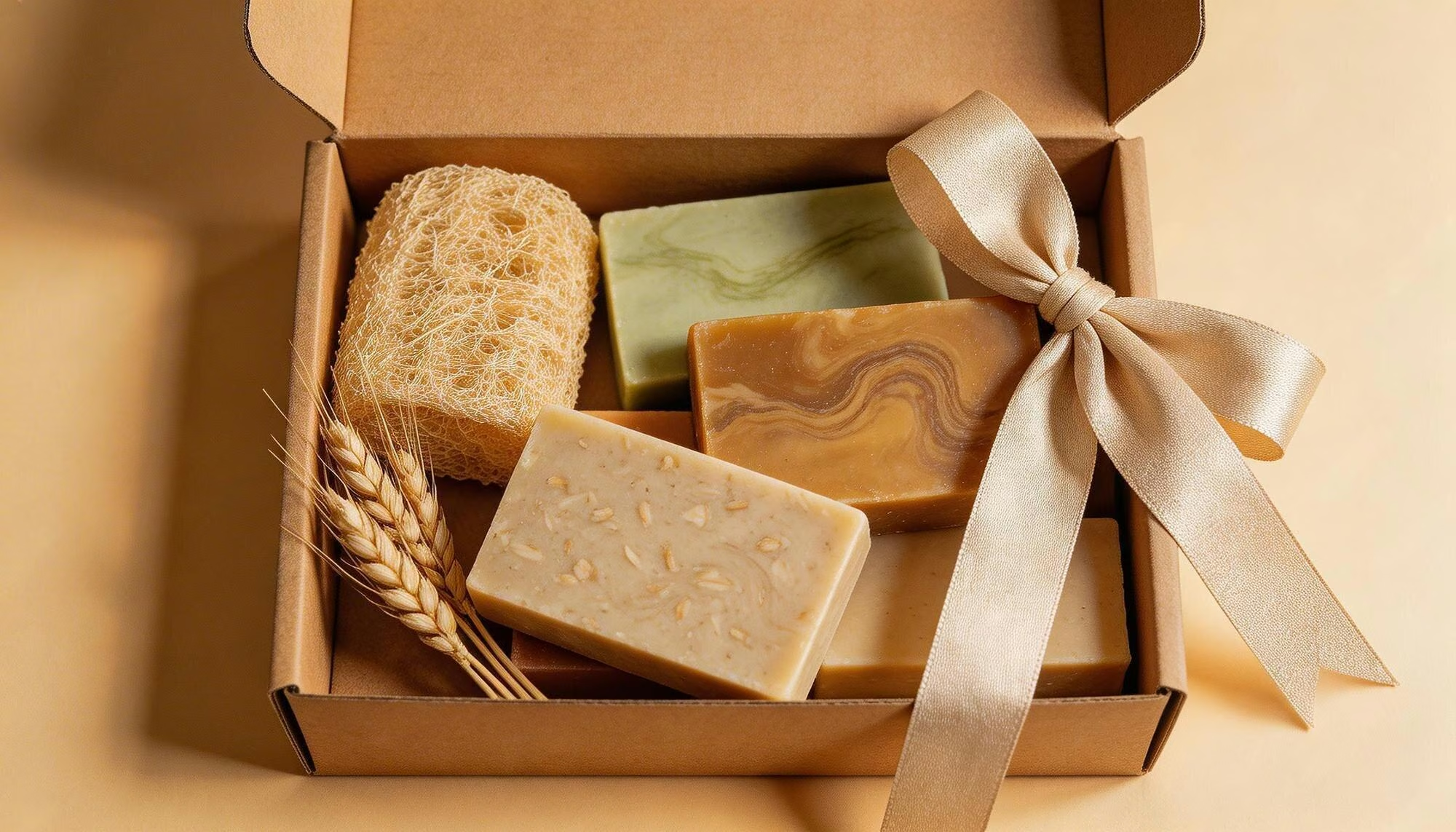
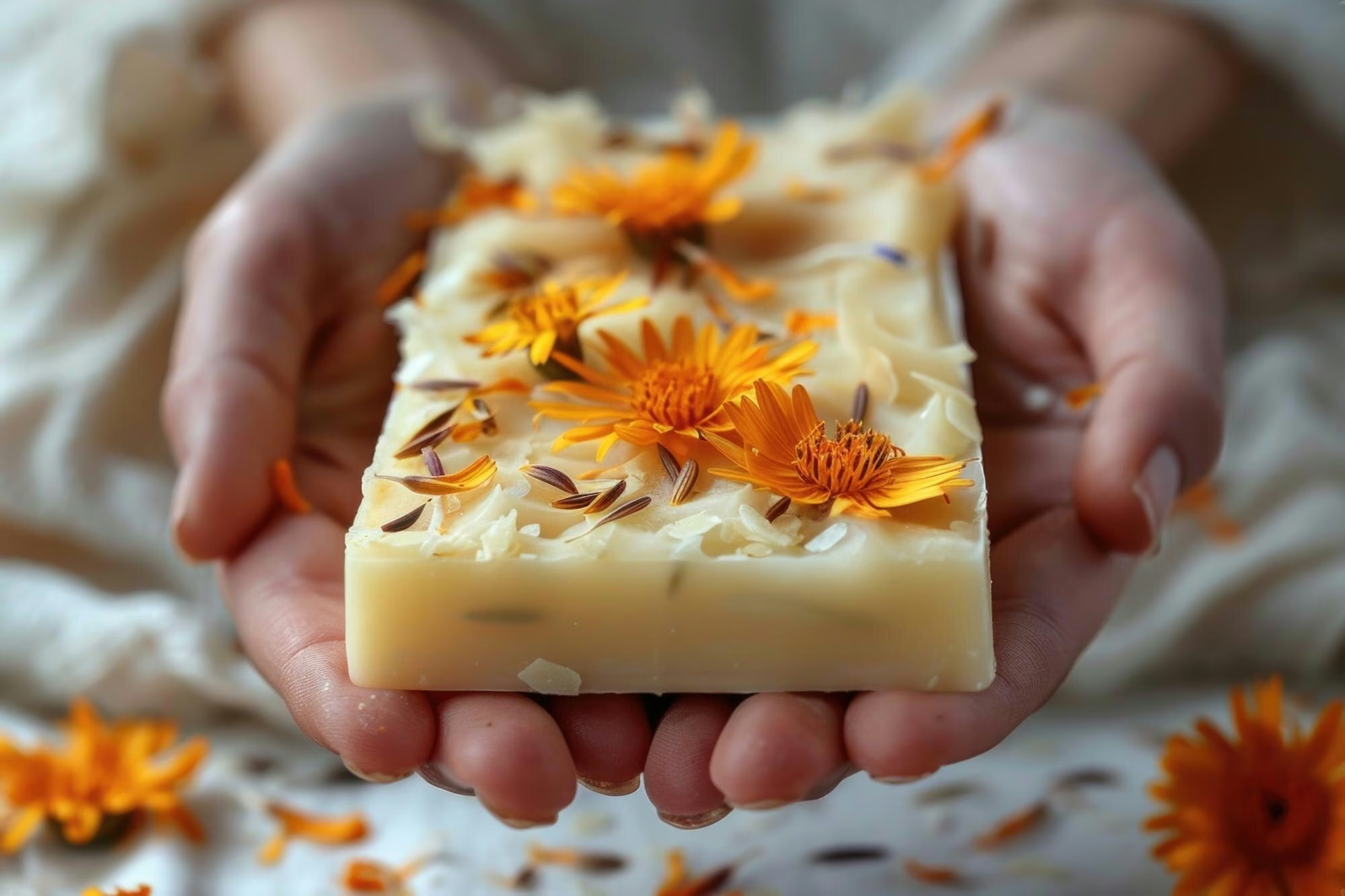
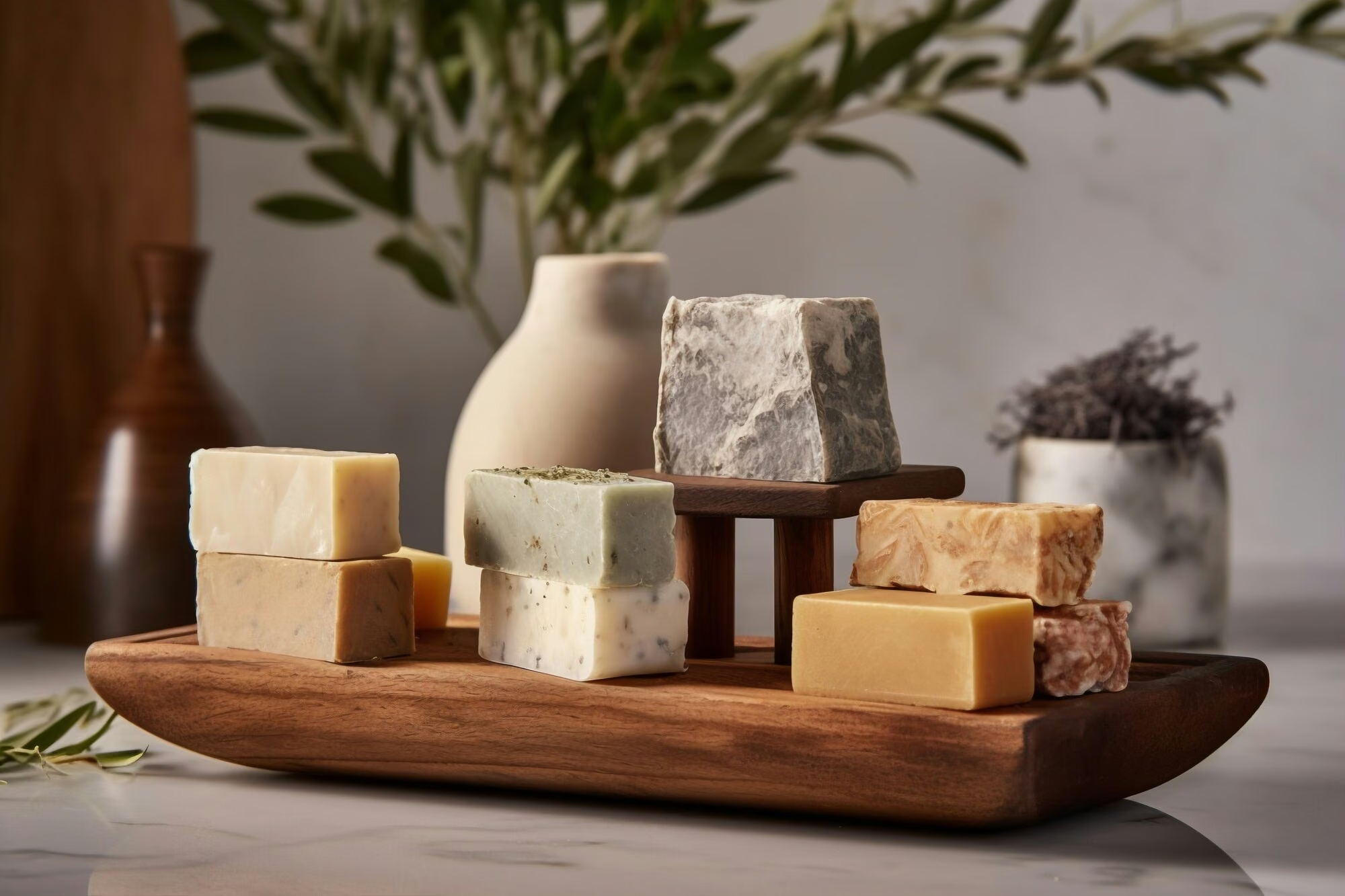
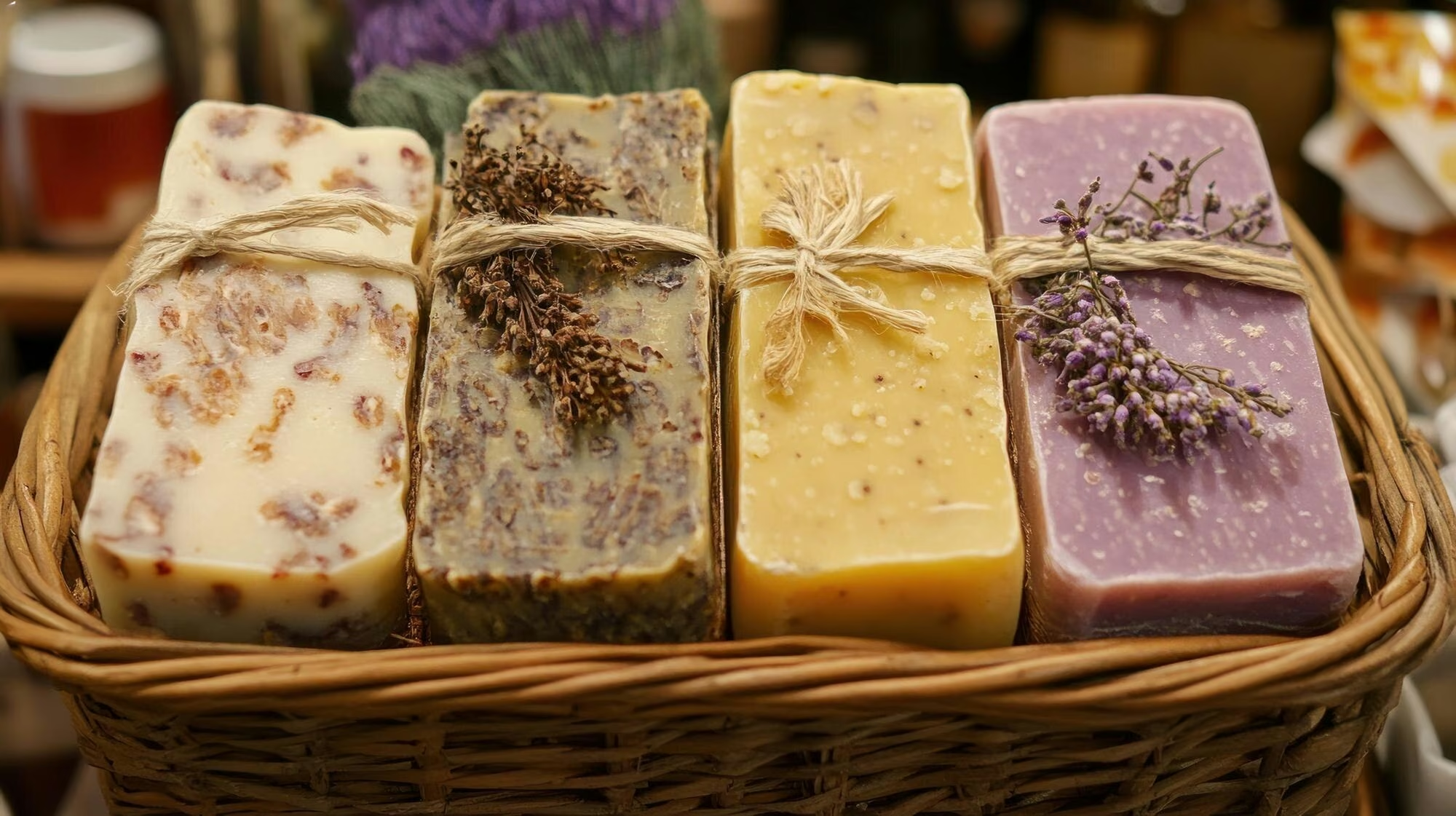
A traditional bar is the classic handmade soap format: a dense, firm bar made through saponification and cured until it is hard enough for daily use. Bars keep their natural glycerin, sit happily on a draining soap dish and can last for several weeks of daily washing. They come in endless variations – olive oil bars, shea butter bars, charcoal bars, slices and full loaves – and they are the format most people picture when they think of natural soap.
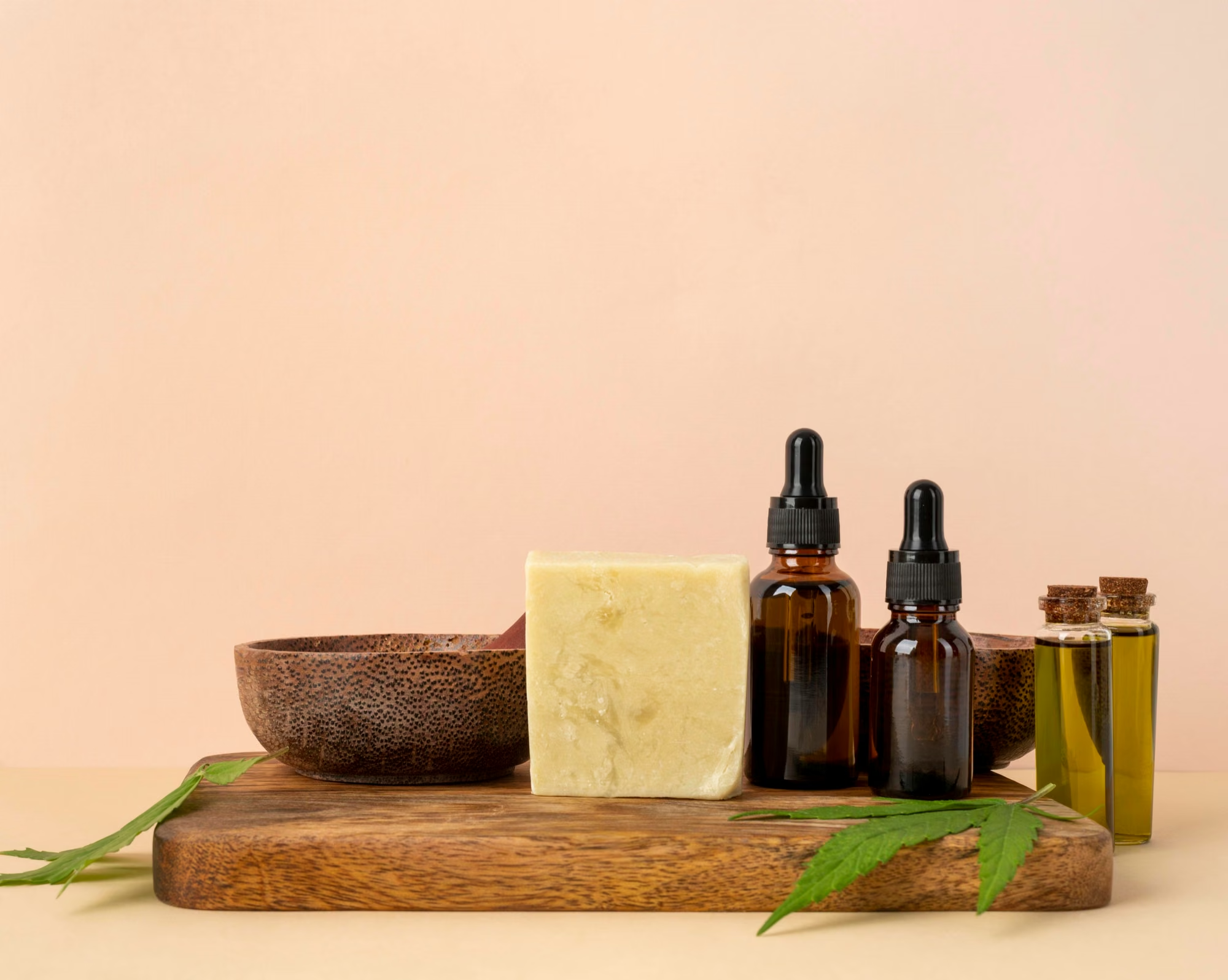
Because a bar is firm, it is economical and easy to control. You can lather it directly on skin, on a cloth or in your hands, and it works just as well at the sink as in the shower. The Natural Soaps collection is built around this format, from vegan olive-oil bars to rich shea-based recipes.
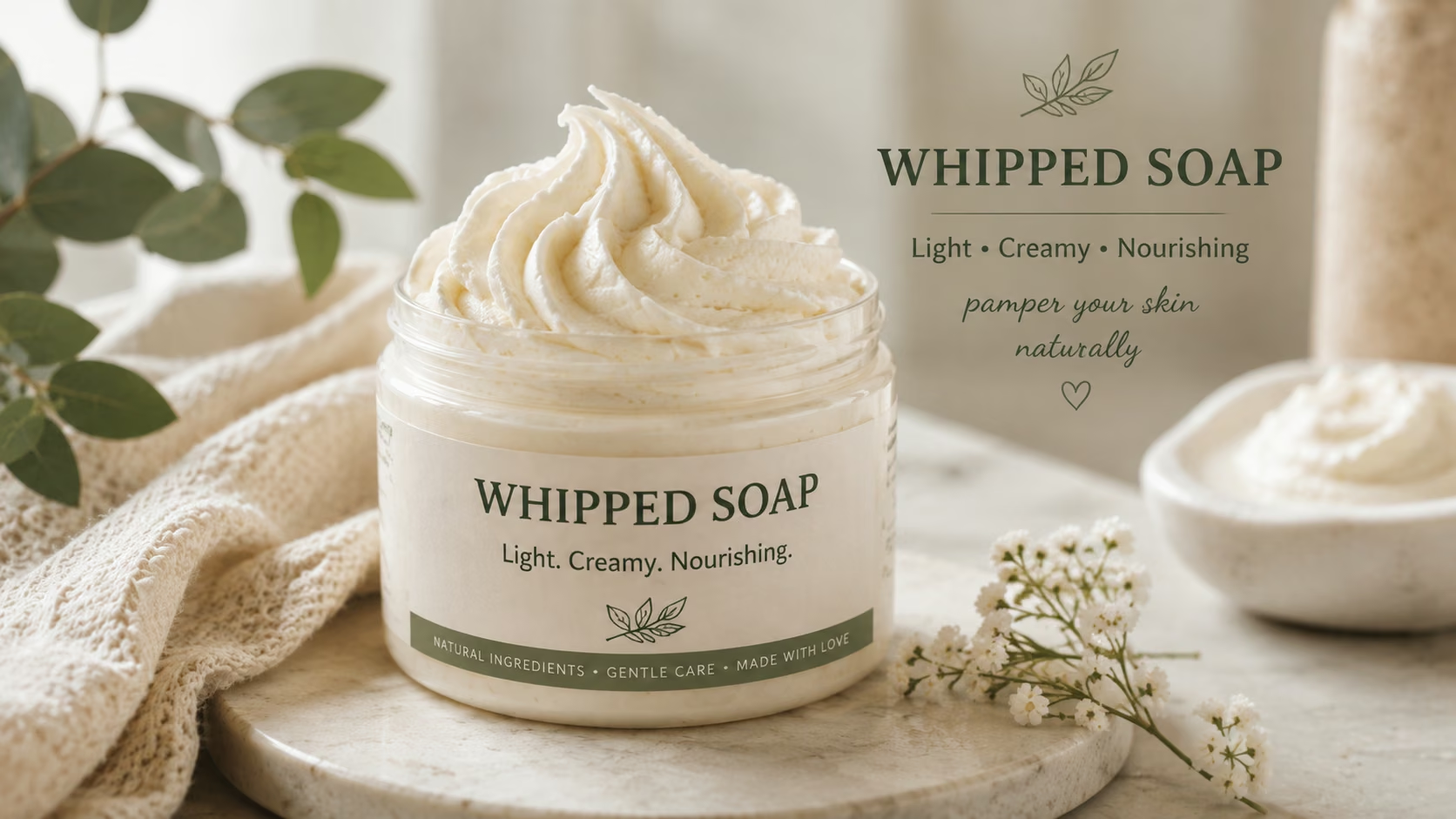
Whipped soap vs bar soap: side by side
| Whipped soap | Traditional bar soap | |
|---|---|---|
| Texture | Light, airy, mousse-like | Dense, firm, solid |
| How you use it | Scoop from a jar, lather, rinse | Lather directly on skin, cloth or hands |
| Lather | Quick, creamy, foamy | Richer lather that develops as you work it |
| How long it lasts | Faster to use up (soft texture) | Long-lasting; several weeks of daily use |
| Skin feel | Soft, gentle, easy to spread | Firm and cleansing; conditioning oils matter |
| Best for | Gentle showers, sensitive skin, gifting, seasonal treats | Daily hands, all-over body, economical long-term use |
| Storage | Keep the lid on, away from water | Well-draining soap dish, dry between uses |
Both formats are made from the same natural ingredients – plant oils and butters, natural glycerin and essential oils – so the choice is about texture and routine rather than quality.
Which format suits your routine
- Daily hand washing – a traditional bar on a draining dish is the most practical and economical choice.
- Showers and baths – both work; whipped soap feels more indulgent, a bar is more efficient for all-over washing.
- Sensitive or easily irritated skin – whipped soap’s soft, gentle texture is often very comfortable; a mild olive-oil bar is also excellent.
- Travel and small spaces – a bar packs easily; a whipped soap jar is bulkier and needs the lid kept on.
- Gifting and seasonal treats – whipped soaps in festive or fruit scents make lovely, easy gifts.
- Long-term value – a traditional bar (or a soap loaf you slice yourself) gives the most washes per euro.
If you are deciding between base ingredients too, the olive oil vs shea butter soap guide helps you pick the recipe that matches your skin, and the handmade soap guide covers the wider category.
A quick decision guide
If you are still weighing the two, a simple starting point:
- Buying your first natural soap – choose a traditional bar in a scent you genuinely like; it is the classic, economical introduction.
- Prefer soft, foamy washes – try a whipped soap for showers and gentle moments.
- Shopping for a gift – whipped soaps in seasonal or fruit scents are easy, pretty presents.
- Want the best of both – keep a firm bar for daily hands and a whipped soap for weekend indulgence.
How to get the most from each format
Whipped soap:
- Scoop with clean, dry hands or a small spoon – wet hands can thin the texture.
- Keep the lid on between uses so the soap does not dry out or absorb moisture.
- Do not add water to the jar; lather in your hands or on a cloth instead.
Traditional bar:
- Keep the bar on a well-draining soap dish so it dries between uses.
- Do not leave it in standing water – a soft, wet bar dissolves quickly.
- Rotate between two bars if you wash frequently, so each one has time to dry.
The Soap Dishes & Dispensers range covers the bar side of this equation, with draining options that keep any bar firm and long-lasting.
Whipped and bar soaps in the Aroma Sentia collection
The Aroma Sentia Natural Soaps collection includes both formats. On the bar side you will find vegan olive-oil bars, shea-based recipes, charcoal bars, slices and loaves. On the whipped side, the collection features light foamy washes such as the Aromatherapy Whipped Soap with Vitamin C and seasonal whipped cream soaps.
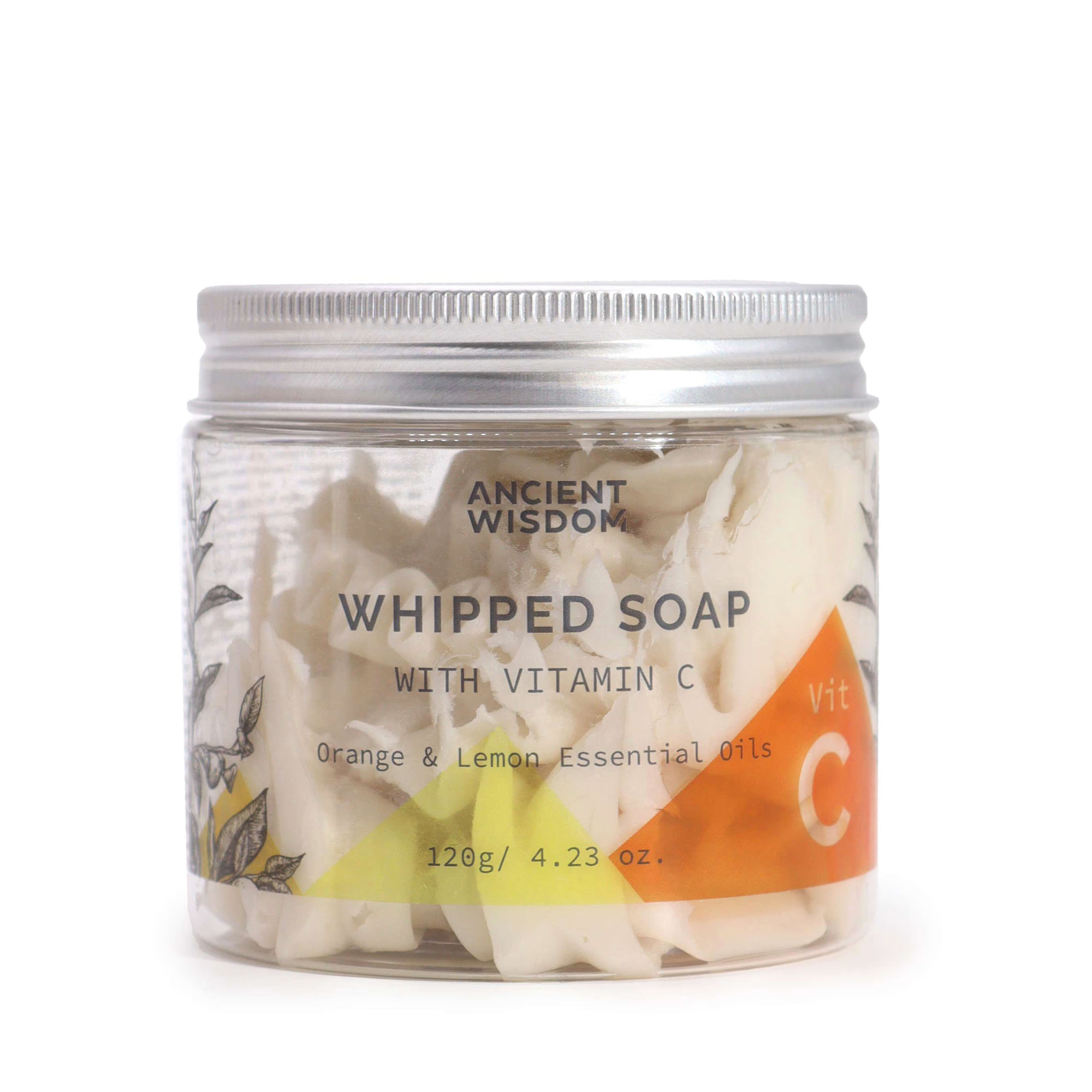
Many customers use both: a firm bar for everyday hands, a whipped soap for gentler, more indulgent moments, and a few slices to try new scents. Start with whichever format matches your routine today – you can always add the other one later.
FAQ
Is whipped soap as cleansing as bar soap?
Yes. Whipped soap cleanses through the same natural saponified ingredients as a bar; the difference is texture. It lathers quickly and feels lighter, but the cleaning action is comparable.
Does whipped soap last as long as a bar?
No. Because whipped soap is light and airy, it is used up faster than a dense traditional bar. That is the trade-off for its soft, indulgent texture – a bar gives more washes for the price.
Which is better for sensitive skin?
Both can be gentle. Whipped soap’s soft texture feels very comfortable, while a mild olive-oil bar is a classic choice for sensitive skin. Patch-test first if your skin is reactive, and choose fragrance-free options when available.
Can I use whipped soap on my face?
Many whipped soaps are gentle enough for facial use, particularly those with mild ingredients such as vitamin C or soft floral blends. Because all soap has a higher pH than the skin’s natural acidic mantle, a patch test is recommended first.
Why does my whipped soap seem to melt or thin out?
Whipped soap can absorb moisture if water gets into the jar or the lid is left off. Keep the jar closed, scoop with dry hands and lather in your hands rather than adding water to the product.
Is a traditional bar more eco-friendly than whipped soap?
Generally yes. A bar needs no jar, generates less packaging and lasts longer, which makes it the lighter-footprint choice. Whipped soap is a treat and a gifting favourite, while a bar is the everyday, zero-waste option.