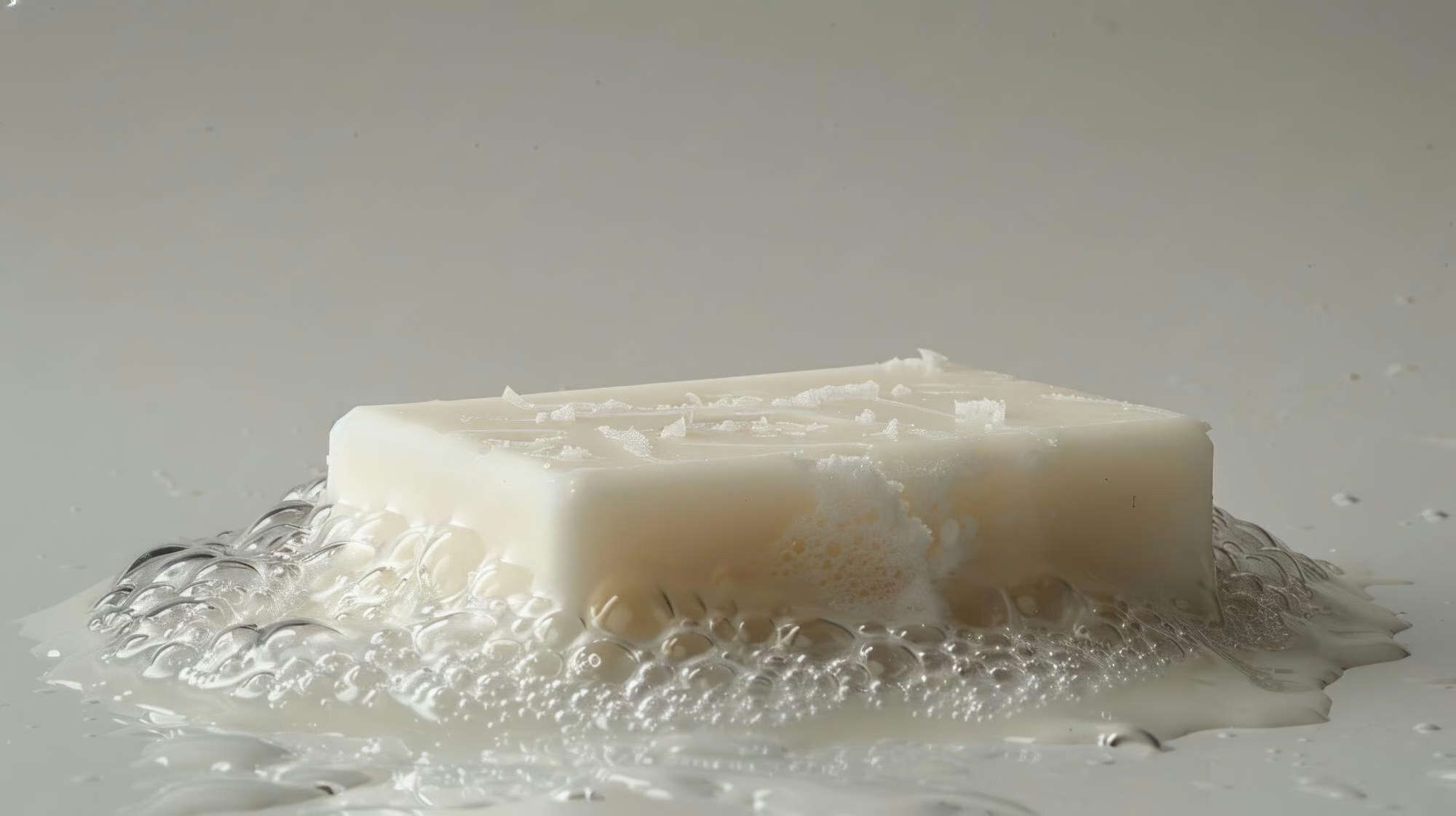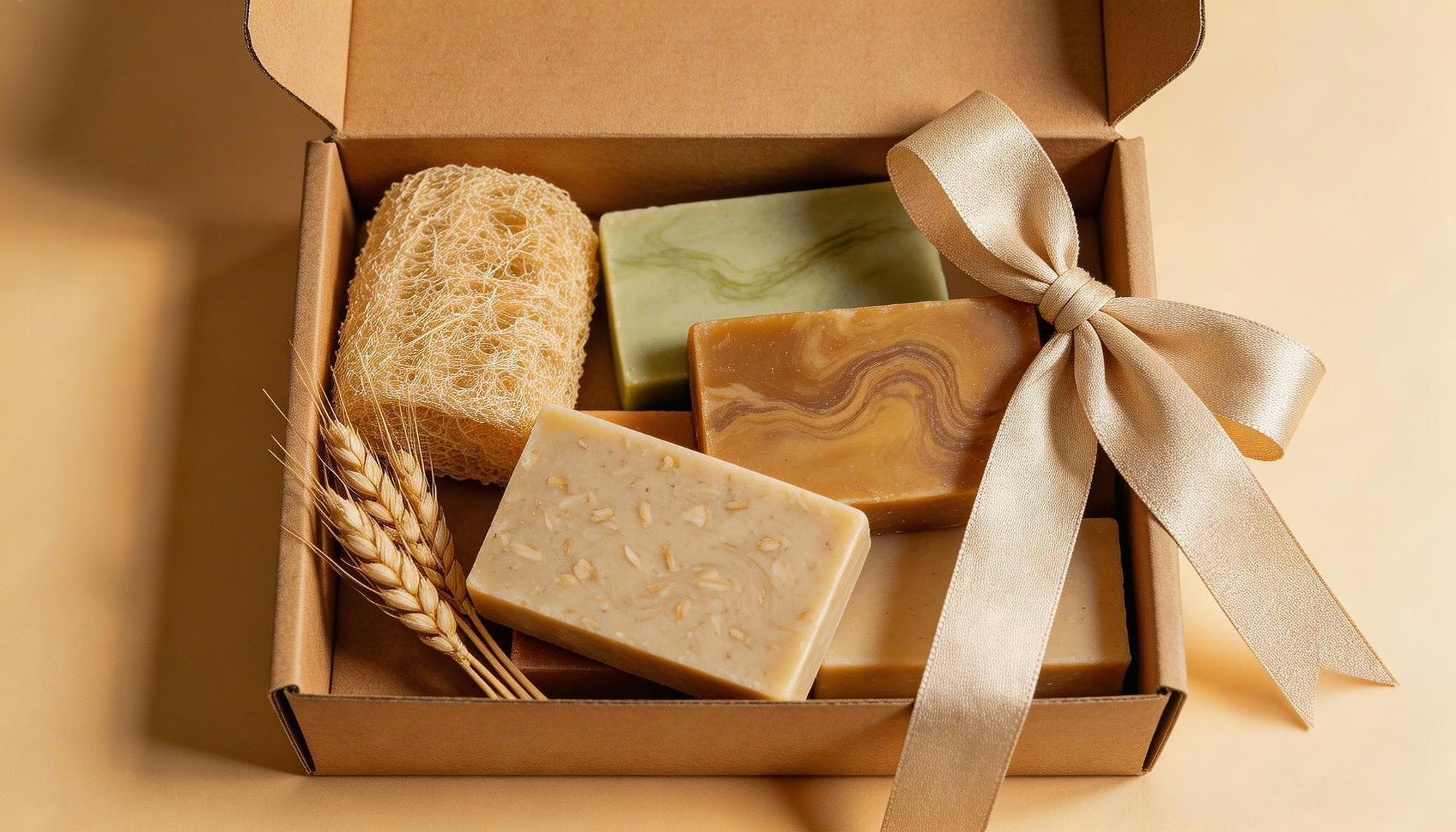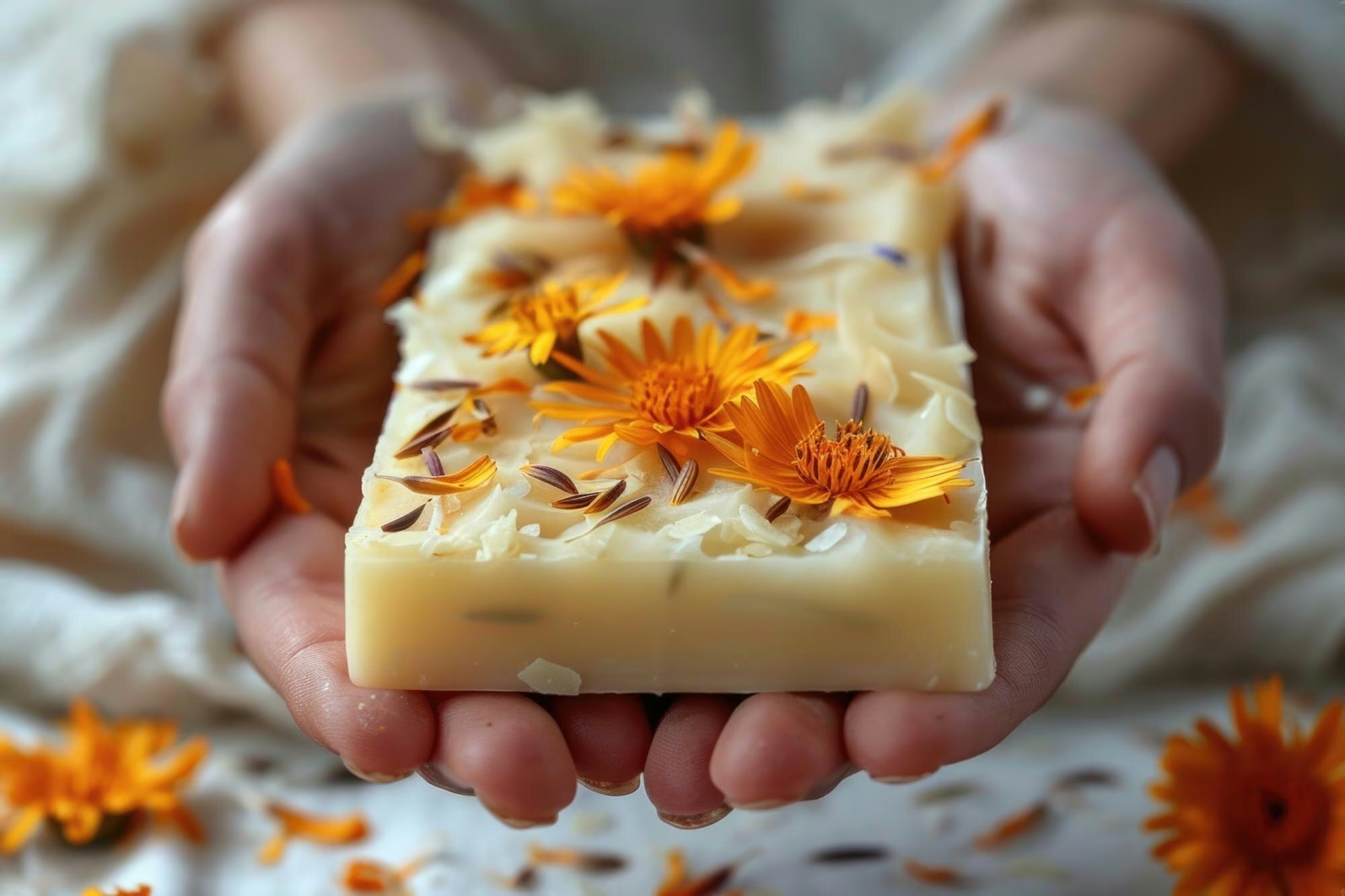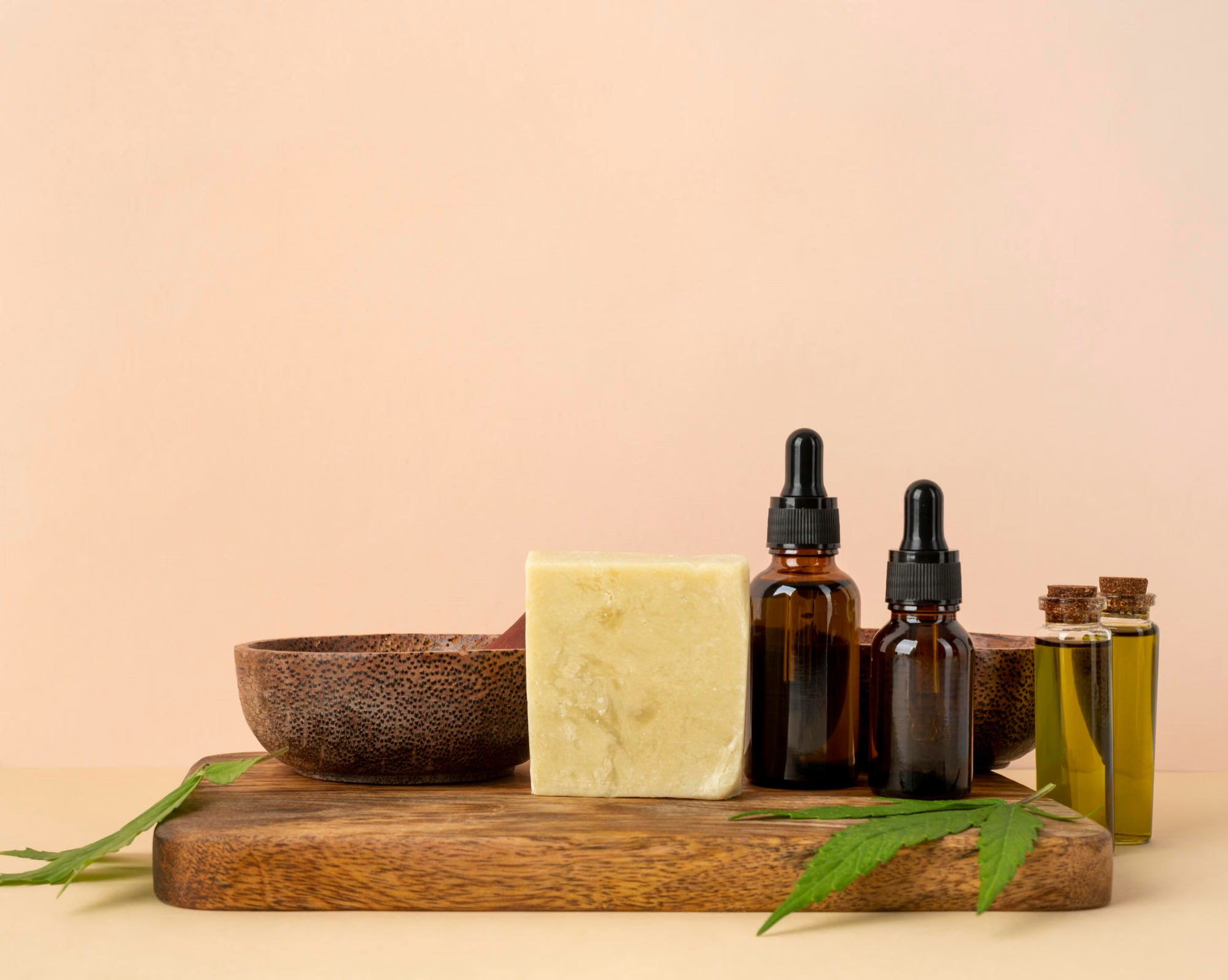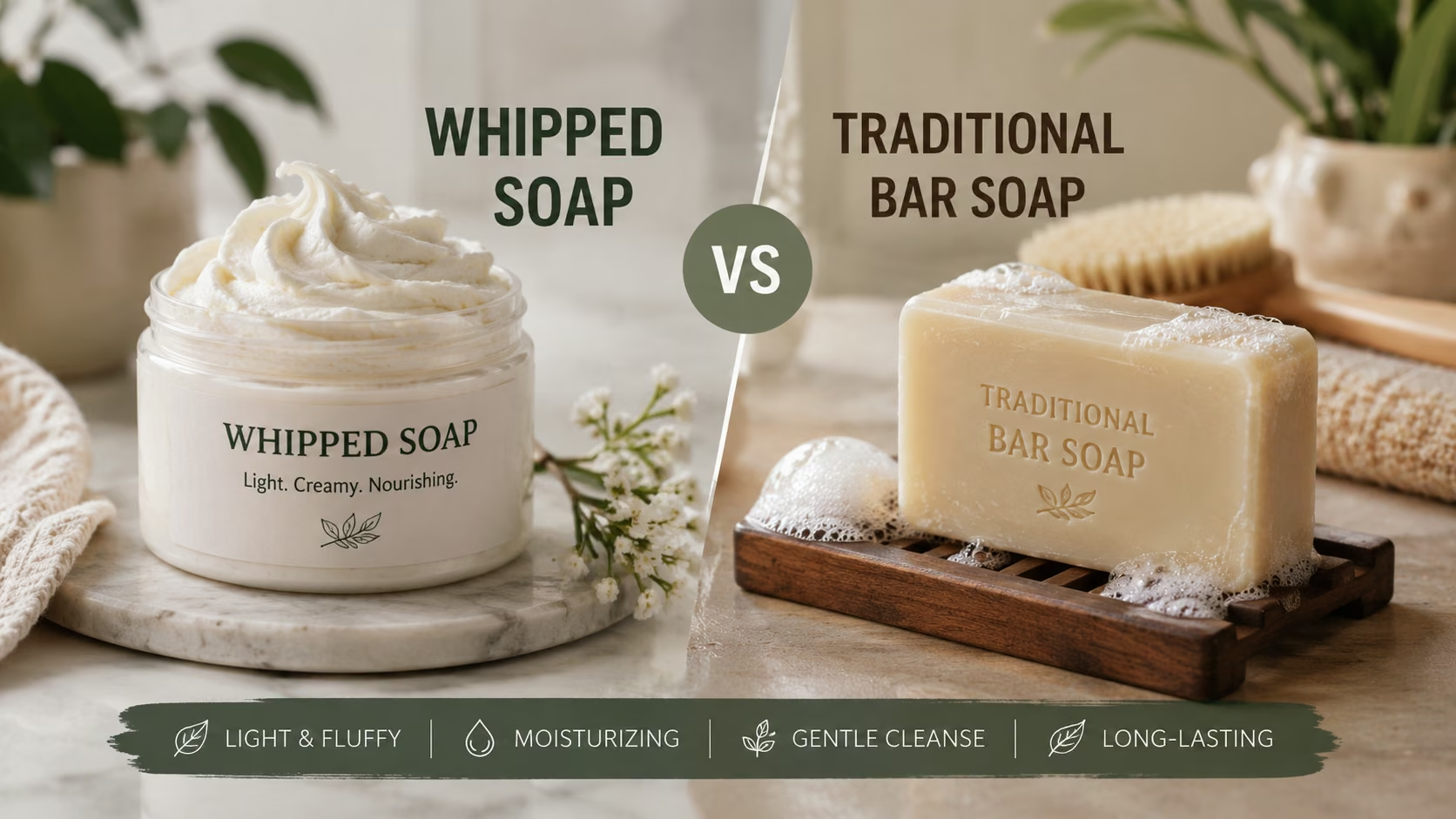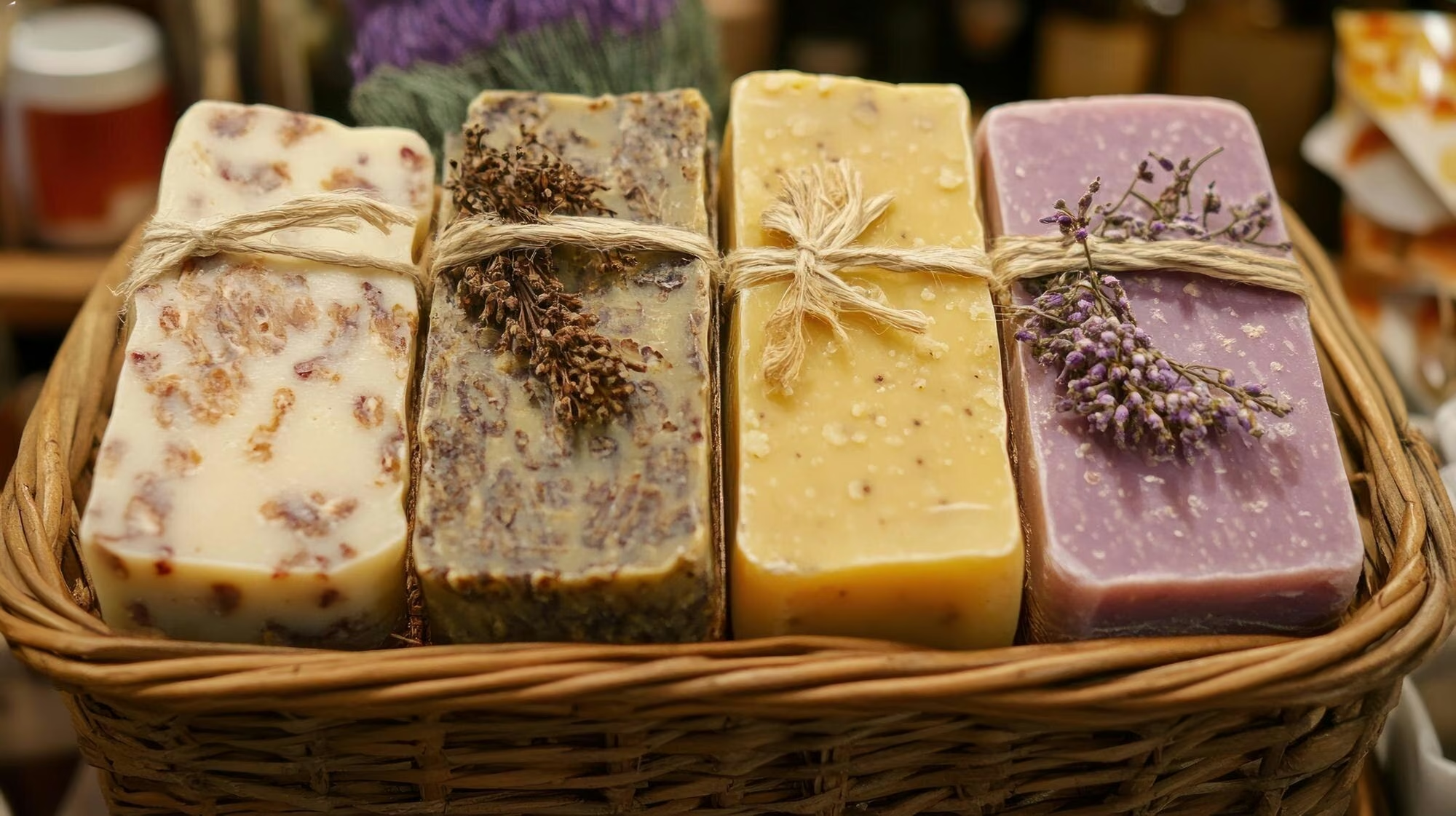
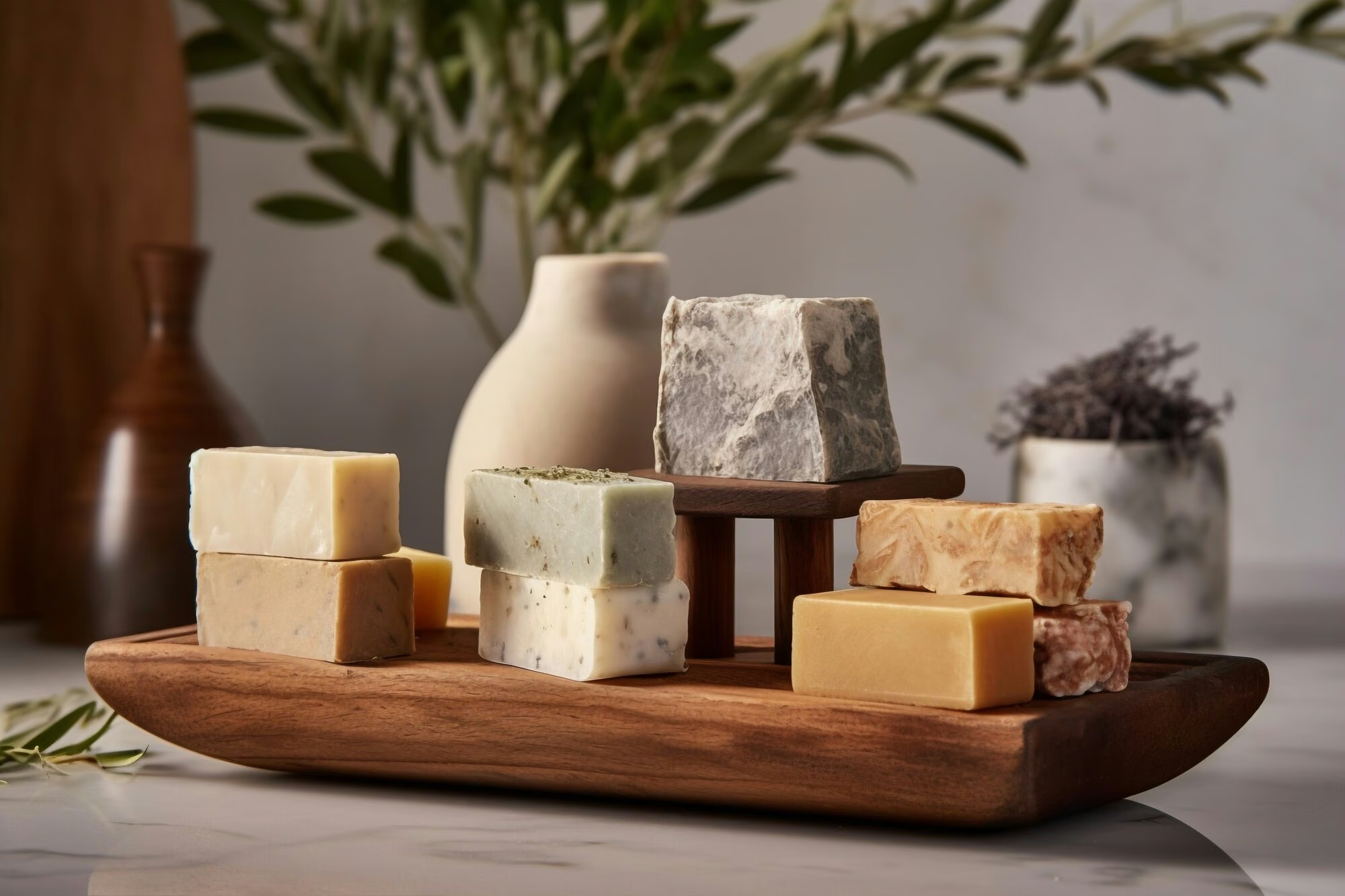
Two of the most loved ingredients in natural soapmaking are also two of the easiest to confuse when you are standing in front of a shelf. Olive oil soap and shea butter soap both belong to the rich, creamy side of handmade soap, and both are often recommended for dry or sensitive skin. But they are not the same bar, and the right choice depends on how your skin feels, what kind of lather you enjoy and how you use the soap every day.
The good news is that the decision is simple once you know what each ingredient actually does. Olive oil brings a mild, conditioning character with a gentle lather, while shea butter brings a dense, buttery richness that many people with dry or mature skin love. This guide compares the two side by side, explains which skin types tend to prefer each one and shows how to get the most from either bar.
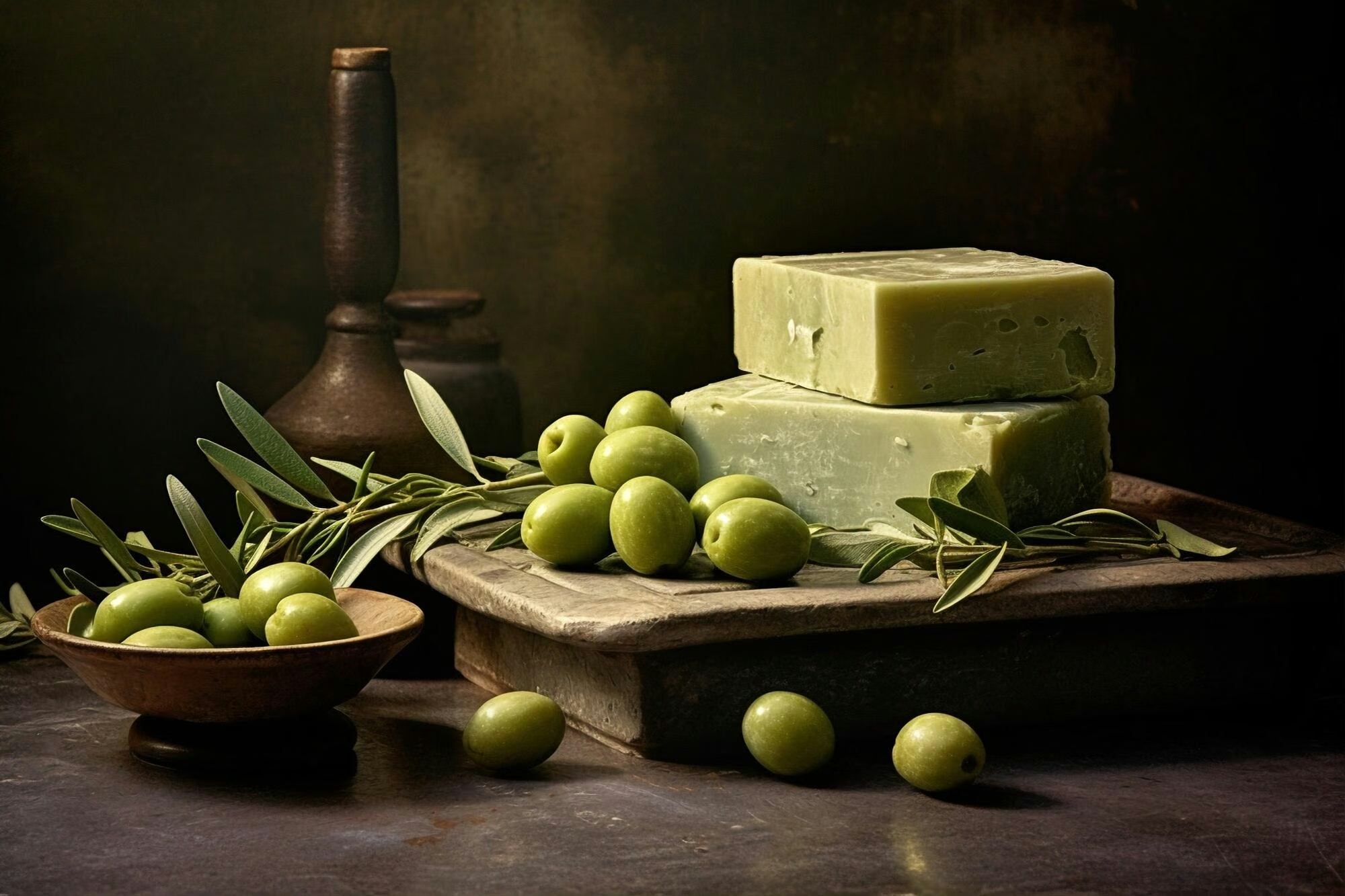
What makes olive oil soap different
Olive oil soap is one of the oldest soap recipes in the world, the basis of traditional Castile and Mediterranean soaps. It is made primarily from olive oil, which is rich in oleic acid – a moisturising fatty acid that supports a soft, comfortable after-wash feel. Because olive oil produces a mild bar with a lower, creamier lather, olive oil soap is often chosen by people with dry, sensitive or easily irritated skin.
The character of olive oil soap develops with age. Freshly made bars can be softer, while well-cured olive oil bars become firmer and milder. In the Aroma Sentia Natural Soaps range, vegan olive-oil bars sit alongside shea and other plant-oil recipes, so it is easy to compare them directly.
What makes shea butter soap different
Shea butter comes from the nuts of the African shea tree and is one of the most emollient butters used in soap. It is rich in fatty acids and naturally high in unsaponifiable compounds – the small fraction that stays in the bar and gives it a nourishing, protective quality. In soap, shea butter produces a dense, creamy lather and a bar that feels noticeably richer on the skin.
That richness is why shea butter soap is a frequent recommendation for dry, mature or winter-stressed skin. The bar leaves a soft, conditioned feel rather than a squeaky-clean one, and the creamy texture makes it a comfortable everyday choice for people who find firm bars drying.
Olive oil soap vs shea butter soap: side by side
| Olive oil soap | Shea butter soap | |
|---|---|---|
| Base ingredient | Olive oil, rich in oleic acid | Shea butter, rich in fatty acids and unsaponifiables |
| Lather | Mild, creamy, lower-foaming | Dense, rich, more foamy |
| After-wash feel | Soft and mild; suits sensitive skin | Nourishing and conditioned; suits dry or mature skin |
| Best for | Sensitive, dry or easily irritated skin; facial use with a patch test | Dry, mature or winter-stressed skin; all-over body use |
| Scent pairing | Gentle floral, citrus, herbal and woody notes | Warm, creamy, gourmand and floral notes |
| Vegan | Yes, when made with plant oils only | Yes, when made with plant oils only |
Both bars are made through the same saponification process, so both keep their natural glycerin and skip synthetic detergents. The difference is in the oils and butters used, and in how the finished bar feels on your skin.
How to tell a true olive oil or shea butter bar apart
Not every bar with olive oil or shea butter on the label is built around them. In genuine natural soap, the ingredient appears as a saponified oil or butter – you may see names such as sodium olivate for olive oil soap, or sodium shea butterate for shea butter soap. That is the soap itself. If the label lists “olive oil” or “shea butter” only near the end of a long detergent-style ingredient list, it is likely a small added extra rather than the main event.
A quick reading rule: the main oils and butters should sit at the top of the ingredient list, and the bar should also list glycerin, water or the saponified forms of the oils. Bars in the Aroma Sentia Natural Soaps collection are organised around these plant-oil bases, which makes label-reading easier – the recipe is the point of the product, not a marketing detail.
Which should you choose for your skin type
Skin type is the fastest way to choose between the two:
- Dry or flaky skin – shea butter soap usually feels richer and more comforting, while olive oil soap is a gentle second option.
- Mature skin – shea butter’s nourishing character is a common favourite; a well-cured olive oil bar is also excellent.
- Sensitive or easily irritated skin – olive oil soap is the mildest choice. Patch-test first, especially for facial use, because all soap has a higher pH than the skin’s natural acidic mantle.
- Normal skin – either works; let scent and lather preference lead.
- Combination skin – olive oil soap for the face, shea butter soap for the body is a practical split.
If you are comparing a whole shelf of bars rather than just these two, the Natural Soaps category organises its range by bar style and skin need, which makes the choice faster. And if you are new to the broader category, the handmade soap guide explains how ingredients, formats and scent families work together.
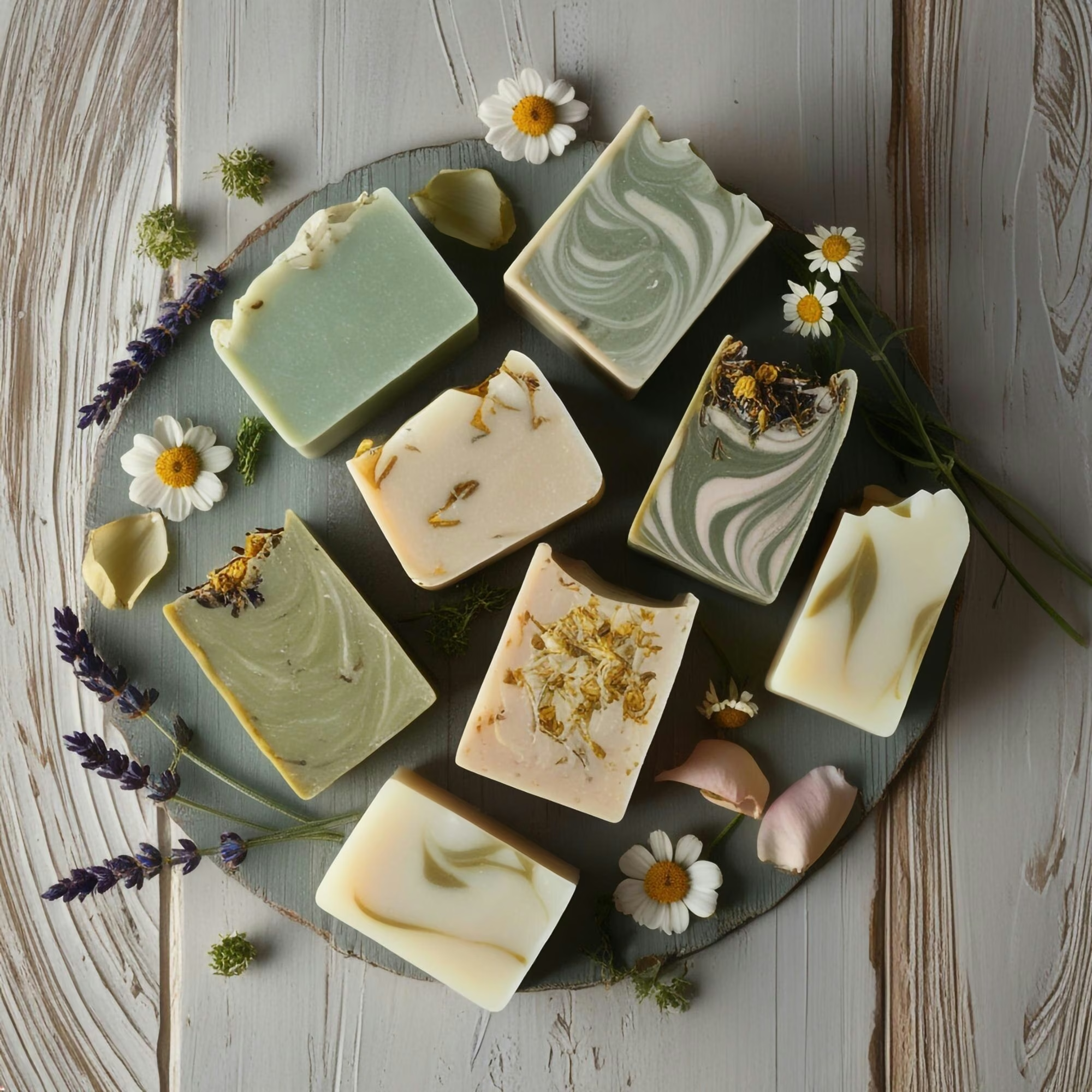
How to get the most from either bar
Olive oil and shea butter soaps both benefit from the same simple care routine:
- Store the bar on a well-draining soap dish so it dries between uses.
- Avoid leaving it in standing water – a soft, wet bar dissolves quickly.
- Lather in your hands or on a cloth with warm water for a creamier, longer-lasting bar.
- Rotate between two bars if you wash frequently, so each has time to dry.
- For shea-rich bars, a slightly cooler shower can help the creamy lather feel more comfortable.
The Soap Dishes & Dispensers range has draining options that keep any of these bars firm and long-lasting.
Olive oil and shea butter in the Aroma Sentia collection
Both ingredients appear across the Aroma Sentia Natural Soaps collection: vegan olive-oil bars with a classic, mild character, and shea-based recipes with a richer, more nourishing feel. Because the collection spans citrus, floral, fruity, spicy, woody and herbal scent families, you can choose by scent as well as by skin need – an olive oil bar with lavender for a calm evening, a shea bar with warm gourmand notes for a cosy winter shower.
The scent connection matters here too: whichever base you choose, the essential oils used to scent the bar are the same ones you would find in the essential oils range, so you can match your soap to your favourite aromatherapy notes.
FAQ
Is olive oil soap good for dry skin?
Yes. Olive oil soap is rich in oleic acid and retains its natural glycerin, which supports a soft, comfortable after-wash feel. It is one of the mildest soap bases and is often chosen by people with dry or sensitive skin.
Is shea butter soap better for mature skin?
Many people with mature skin prefer shea butter soap because the shea butter’s fatty acids and unsaponifiable compounds give a rich, nourishing feel that softens the skin without leaving it tight.
Which is more moisturising: olive oil or shea butter soap?
Both are moisturising compared with commercial detergent bars, but shea butter soap generally feels richer and more conditioning, while olive oil soap feels milder and lighter. The best choice depends on how much richness your skin wants.
Can I use olive oil or shea butter soap on my face?
Many natural bars are gentle enough for facial use, particularly well-cured olive oil bars. Because soap has a higher pH than the skin’s natural acidic mantle, a patch test is recommended first, and a mild bar should be chosen for the face.
Why does olive oil soap lather less than shea butter soap?
Olive oil produces a lower, creamier lather than shea butter, which makes a denser, more foamy lather. Less foam does not mean less cleaning – it is simply the natural character of the olive oil base.
Are olive oil and shea butter soaps vegan?
Yes, when the bar is made with plant oils and butters only. Many bars in the Natural Soaps range are vegan, but ingredients can vary by product – check the individual product description to confirm.