The Complete Guide to Ecological Essential Oils: Why Source Matters More Than You Think
Essential Oils, Incense & Natural Wellness
If you’ve been shopping for essential oils for any length of time, you’ve probably noticed the language on labels getting… ambitious. ”Pure.” ”Natural.” ”Organic.” And lately, a word that’s started showing up more and more: ecological.
The problem is most people don’t actually know what it means. Including, honestly, most of the people selling the stuff.
In this guide, I want to do two things. First, actually explain what ecological means when it comes to essential oils — not as a marketing buzzword, but as a real standard of production. And second, show you why that distinction matters more than most brands want you to think. Because when you understand what’s actually happening inside that little amber bottle, it gets a lot harder to accept ”pure” at face value.
—
What Does ”Ecological” Actually Mean?
Let’s start with the basics, because this word gets misused constantly.
Ecological refers to the relationship between living organisms and their environment. In the context of essential oils, it describes a production philosophy that looks at the entire lifecycle — from the soil the plant grows in, to the water that feeds it, to the way the oil is extracted, and everything in between.
Compare this to organic, which is primarily a certification meaning a plant was grown without synthetic pesticides or fertilizers. Organic is good. But it doesn’t say anything about soil health, water protection, biodiversity, or — crucially — how the oil is extracted.
An ecological approach goes further. It means:
The **soil** the plant grows in is mineral-rich and biodynamically managed, not just ”less chemically treated”
The **water sources** around the farm are protected from contamination
**Biodiversity** is maintained — no single-crop monocultures that strip the land
Harvesting practices don’t deplete the land over time
The **distillation process** uses low pressure and low heat to preserve the plant’s full chemical complexity
When you buy an ecological essential oil, you’re buying into a production model that treats the land as a living system rather than a raw material input. It’s more expensive to produce, which is why genuinely ecological oils aren’t the cheapest option on the shelf.
—
Ecological vs. Organic: The Difference That Matters
Here’s where it gets confusing, and it’s worth laying out clearly so you can make informed decisions.
Organic
Ecological
**Pesticide/fertilizer use**
Prohibited
Prohibited
**Soil management**
Not specified
Mineral-rich, biodynamic
**Water protection**
Not specified
Required
**Biodiversity standards**
Not specified
Required
**Distillation process**
Not specified
Low-pressure, low-heat
**End product purity standard**
Minimum compliance
Higher standard
The gap that matters most here is distillation. Many essential oils sold as ”organic” are extracted using high-pressure, high-heat steam distillation — the same method used in conventional production. This maximizes yield, which keeps prices competitive. But heat degrades the delicate aromatic compounds that are precisely the reason you’re buying the oil in the first place.
Ecological producers typically use a slower, gentler extraction process. It yields less oil per harvest. It costs more. But the chemical integrity of what comes out of the still is categorically different.
—
Why the Distillation Process Changes Everything
This is the part that changed how I think about essential oils completely.
It takes roughly 150 pounds of lavender flowers to produce a single pound of essential oil. That’s a lot of plant material. The distillation process is essentially a concentration method — and what gets concentrated depends entirely on how the process is run.
Commercial high-heat distillation uses pressurized steam to force oil out of the plant material quickly. The result: more oil per batch, lower production cost, faster turnaround. The problem is that temperatures high enough to extract quickly also break apart the fragile molecular chains in the plant’s most valuable compounds.
The two most therapeutically significant compounds in true lavender oil are linalool and linalyl acetate. Both are heat-sensitive. When they’re exposed to high-temperature extraction, linalyl acetate — the compound most responsible for lavender’s calming, anti-anxiety effect — degrades significantly. You’re left with an oil that smells like lavender and costs like lavender, but has lost a meaningful portion of its actual biological activity.
Ecological low-pressure distillation takes longer and produces less oil. But it preserves those compounds intact. The result is an oil with a more complex scent profile, genuine therapeutic potential, and a chemical fingerprint that matches what the plant actually contains in nature.
The difference isn’t subtle. And once you understand it, it’s hard to go back to the commodity oils.
—
The Chemistry You Actually Need to Understand
You don’t need a chemistry degree to understand essential oils, but knowing what two compounds do will immediately upgrade how you shop.
Linalool is a terpene alcohol found in lavender, bergamot, and several other aromatic plants. Research suggests it interacts with the GABA neurotransmitter system in the brain — your nervous system’s primary ”off switch.” When linalool is present in meaningful concentrations, it has documented calming and mildly sedative properties. It’s been studied specifically in the context of sleep onset and anxiety reduction.
Linalyl acetate is the other primary compound in genuine lavender oil. It has documented anti-anxiety and anti-inflammatory properties. It’s also significantly more fragile than linalool, and it’s the compound most likely to be degraded or destroyed entirely by aggressive commercial distillation.
When you’re comparing two lavender oils and one costs considerably more, the difference is almost always that the higher-priced bottle has both of these compounds intact. The cheaper bottle may have traces, or none at all.
GC/MS testing (Gas Chromatography/Mass Spectrometry) can confirm what’s actually in a bottle. Reputable producers make these reports available. If a brand can’t or won’t share one, that’s information in itself.
—
How to Identify Genuinely Ecological Essential Oils
Not sure how to separate the genuine ecological producers from the ones just using the word? Here’s what to look for.
Things that suggest genuine ecological production:
Explicit description of the farm or cooperative the oil comes from — not just ”sourced from EU”
Any mention of **low-temperature or low-pressure distillation** in the production method
GC/MS reports available on request or published on the website
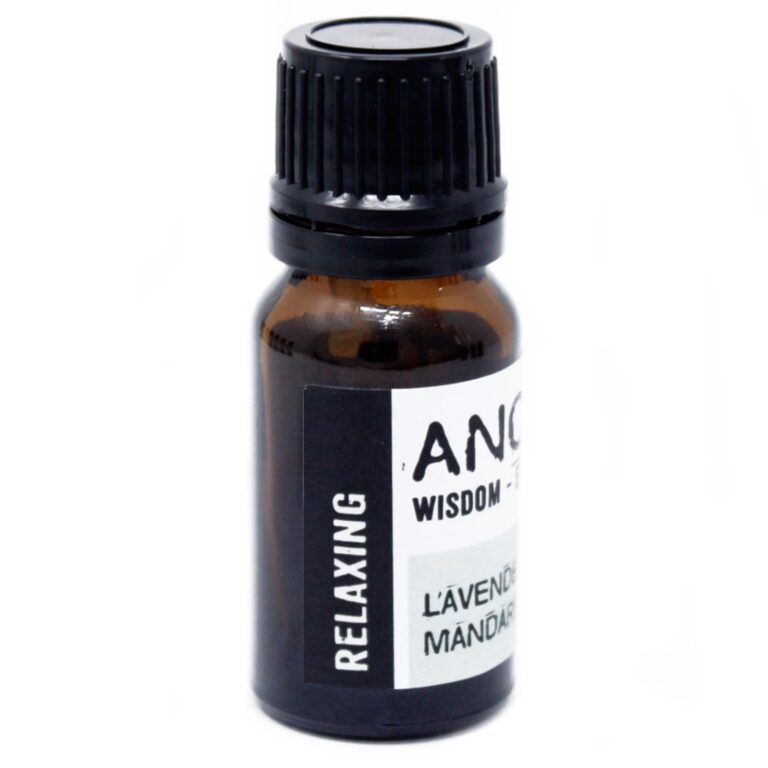
Dark glass bottles — clear bottles allow light to degrade light-sensitive compounds over time
Batch numbers or harvest dates listed
Smaller batch production with transparent sourcing
Red flags that suggest commodity oils with ecological marketing:
Vague claims like ”100% pure” with no sourcing detail whatsoever
No information about where or how the plants were grown or distilled
Pricing that’s significantly below market rate for the claimed quality
No third-party testing or batch documentation
Generic packaging with no farm, producer, or cooperative identification
Large retail-scale production with no traceable origin story
AromaSentia publishes full sourcing information and batch test results for all products in the ecological essential oils collection. The transparency is intentional — it’s how we verify to customers that what’s in the bottle actually matches the label.
—
Which Ecological Essential Oils Should You Start With?
If you’re building your wellness collection for the first time, these are the most researched, most widely available, and most versatile starting points — all available in verified ecological quality.
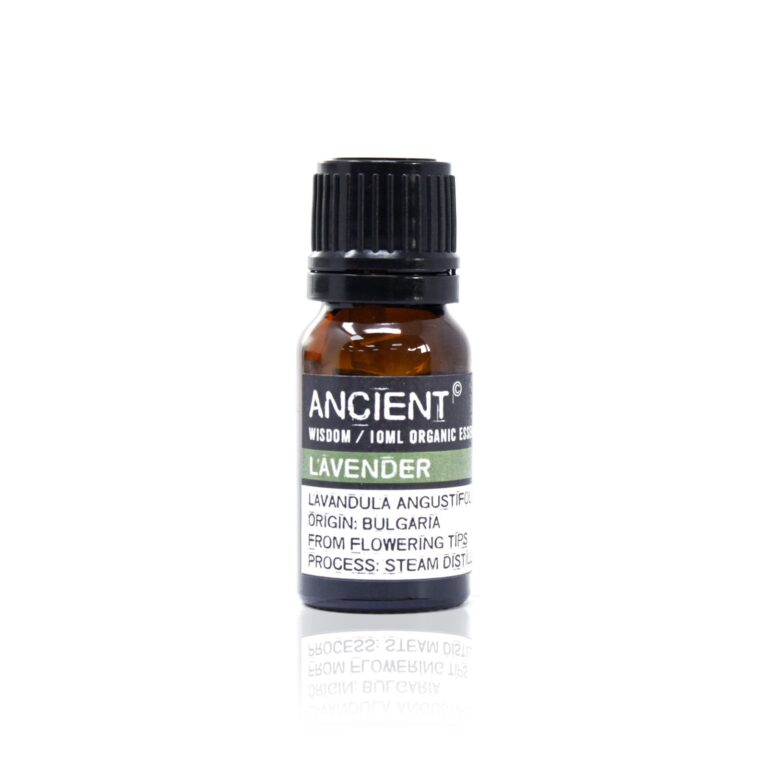
Lavender (Lavandula angustifolia)
Lavender is the entry point for a reason. It’s the most studied essential oil in terms of human applications, with documented effects on sleep quality, anxiety reduction, and nervous system regulation. The Wesleyan University sleep study and the Lillehei et al. 2015 study both specifically used lavender essential oil and found measurable improvements in sleep quality and daytime alertness. Start here if you’re new.
Bergamot (Citrus bergamia)
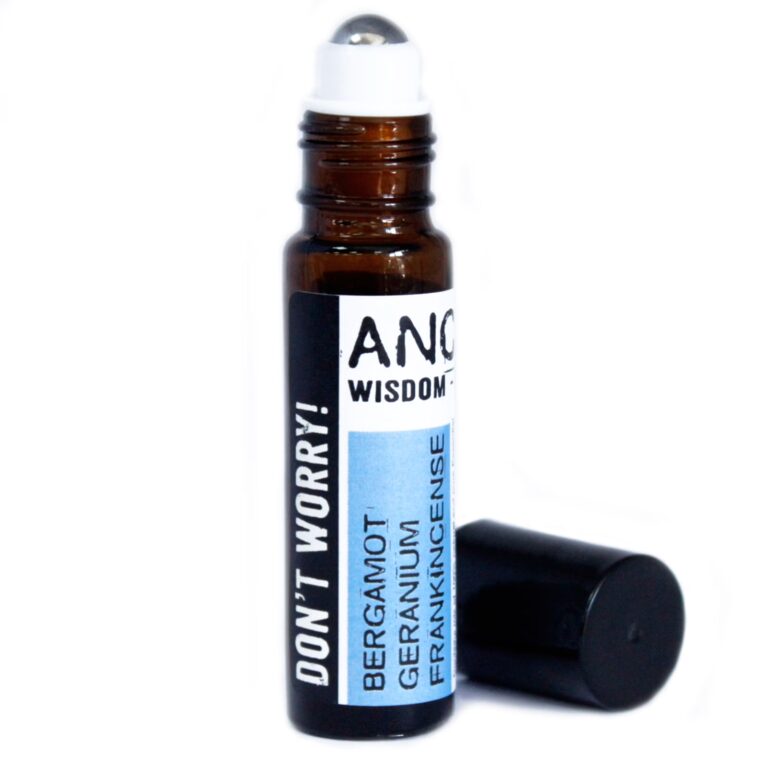
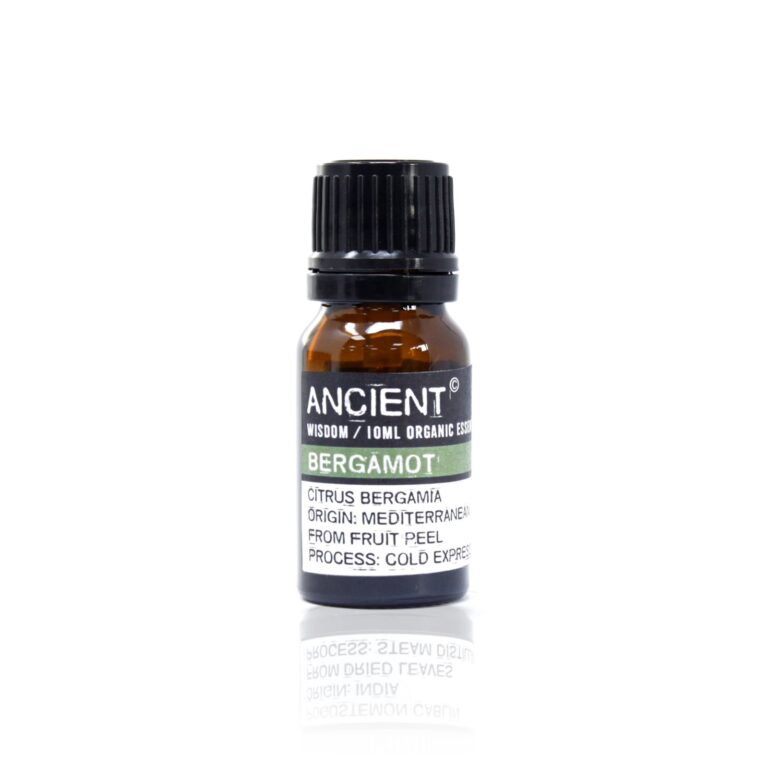
Bergamot essential oil has a different character entirely — bright, citrus, slightly floral. Research has linked bergamot aromatherapy to cortisol reduction and mood stabilization, making it particularly useful for afternoon energy crashes and stress management. Diffuse it in the morning or early afternoon rather than at night.
Roman Chamomile (Anthemis nobilis)
Roman chamomile is gentler than lavender and well-suited for people who find lavender too heavy or whose skin is particularly sensitive. It has documented calming effects on the nervous system and is one of the few essential oils considered safe for use around young children when properly diluted.
Frankincense (Boswellia serrata)
Frankincense has been used in spiritual and ceremonial contexts for thousands of years, and modern research has begun validating some of those traditional applications. It has documented anti-inflammatory properties and is commonly used during meditation and breathwork practices.
—
Why Sourcing Matters More Than Brand Names
Here’s something the wellness industry doesn’t like to admit openly: the brand name on a bottle of essential oil often matters less than most people think. What matters more is the farm, the region, and the distillation method.
A small cooperative in Provence that has been growing lavender using traditional ecological methods for four generations will almost always produce a superior product to a large manufacturer that white-labels generic oils under a premium brand name.
This is why traceability matters. When you can trace a bottle of lavender essential oil back to a specific farm, a specific harvest, and a specific distillation batch — that’s when you know you’re getting something real.
At AromaSentia, we source directly from verified ecological producers and publish full traceability for every product. That’s not a marketing strategy. It’s the only way to actually verify quality.
Not exactly. Biodynamic is a specific farming philosophy that treats the farm as a self-contained ecosystem — following principles developed by Rudolf Steiner in the 1920s. ”Ecological” is a broader term that includes biodynamic practices but isn’t tied to a specific certification system. Always check what a brand specifically means by ”ecological.”
Can ecological essential oils cause allergic reactions?
Yes. All essential oils — regardless of how they’re produced — can cause contact reactions in sensitive individuals. Always perform a patch test before using a new oil topically, and always dilute essential oils properly in a carrier oil.
How should I store ecological essential oils?
Keep them in the dark glass bottle they came in, stored away from direct heat and sunlight. Heat and light are the two primary factors that degrade essential oil compounds over time. Don’t store them in the bathroom where shower steam creates temperature fluctuations.
Are ecological essential oils safe during pregnancy?
Some essential oils are safe during pregnancy in low dilutions — lavender and chamomile are generally considered among the gentlest. Others, including rosemary and sage, should be avoided. Always consult a qualified aromatherapist or healthcare provider before using essential oils during pregnancy.
—
Disclaimer: This article is for informational purposes only and does not constitute medical advice. Always consult a qualified healthcare professional before starting any new wellness routine involving essential oils.
Vi ser att du är på besök från Sverige. Vi har uppdaterat våra priser till Svenska kronor för att göra det enklare för dig att handla. Använd Euro istället.Avfärda