Quartz Crystals Explained: Clear Quartz, Rose Quartz, Amethyst and Smoky Quartz
Quartz is one of the most important crystal families for beginners, collectors and home décor customers. It is durable, widely loved, visually varied and easy to connect with other gemstone categories. Within the quartz family you will find clear quartz, rose quartz, amethyst, smoky quartz, citrine and several other well-known stones that appear in jewellery, tumble stones, decorative pieces and thoughtful gifts.
The wider Quartz Family includes several familiar varieties, including Amethyst, Rose Quartz, Rock Crystal and Smoky Quartz. That makes quartz a useful starting point if you want to understand how clear, pink, purple and smoky stones relate to one another.
This guide explains the main quartz types in practical language: what they look like, how people traditionally use them, how to choose between them, and how to style or gift them without relying on exaggerated claims.

Quartz is one of the most versatile crystal families, ranging from clear and minimal to soft pink, deep purple and smoky grey-brown tones.
What is quartz?
Quartz is a naturally occurring mineral made from silicon dioxide. It is one of the most abundant minerals on Earth and appears in many forms, colours and structures. In crystal shops and gemstone collections, quartz is valued because it can be clear, milky, pink, purple, smoky, yellow, banded or included with other minerals.
One reason quartz is so popular is durability. Quartz has a Mohs hardness of 7, which makes it harder than many everyday materials and suitable for many decorative and jewellery uses. That does not mean it is unbreakable, but it is generally practical for polished stones, points, pendants, bracelets and display pieces.
Quartz also has an approachable price range. Some pieces are rare, large or visually exceptional, but many quartz stones are accessible for beginners. This makes quartz a good starting point if someone wants to explore crystals without feeling overwhelmed.
Why quartz is important for beginners
Quartz is useful for beginners because the family includes several of the stones people recognise first: clear quartz, rose quartz and amethyst. These stones are easy to understand by colour, easy to display at home and easy to give as gifts.
Quartz also helps customers understand how one mineral family can create very different visual experiences. Clear quartz can look bright and minimal. Rose quartz feels soft and gentle. Amethyst is rich and purple. Smoky quartz is deeper, darker and more grounded in appearance. Citrine adds warm yellow or golden tones.
That variety makes quartz useful for:
- first crystal collections
- home décor and shelf styling
- polished tumble stones
- jewellery and accessories
- birthday or symbolic gifts
- desk and bedside table accents
- pairing with candles, diffusers and home fragrance.
If someone has already read Aroma Sentia’s beginner guide to gemstones or the guide to choosing tumble stones, quartz is the next logical category to explore in more detail. For customers who like symbolic tools as well as decorative stones, the pendulums and rune sets guide explains how crystal pendulums and rune stones are chosen.
Clear quartz and rock crystal
Clear quartz is often called Rock Crystal when it is transparent and colourless. It is the classic clear form of quartz, admired for its light-catching appearance and simple, clean look.
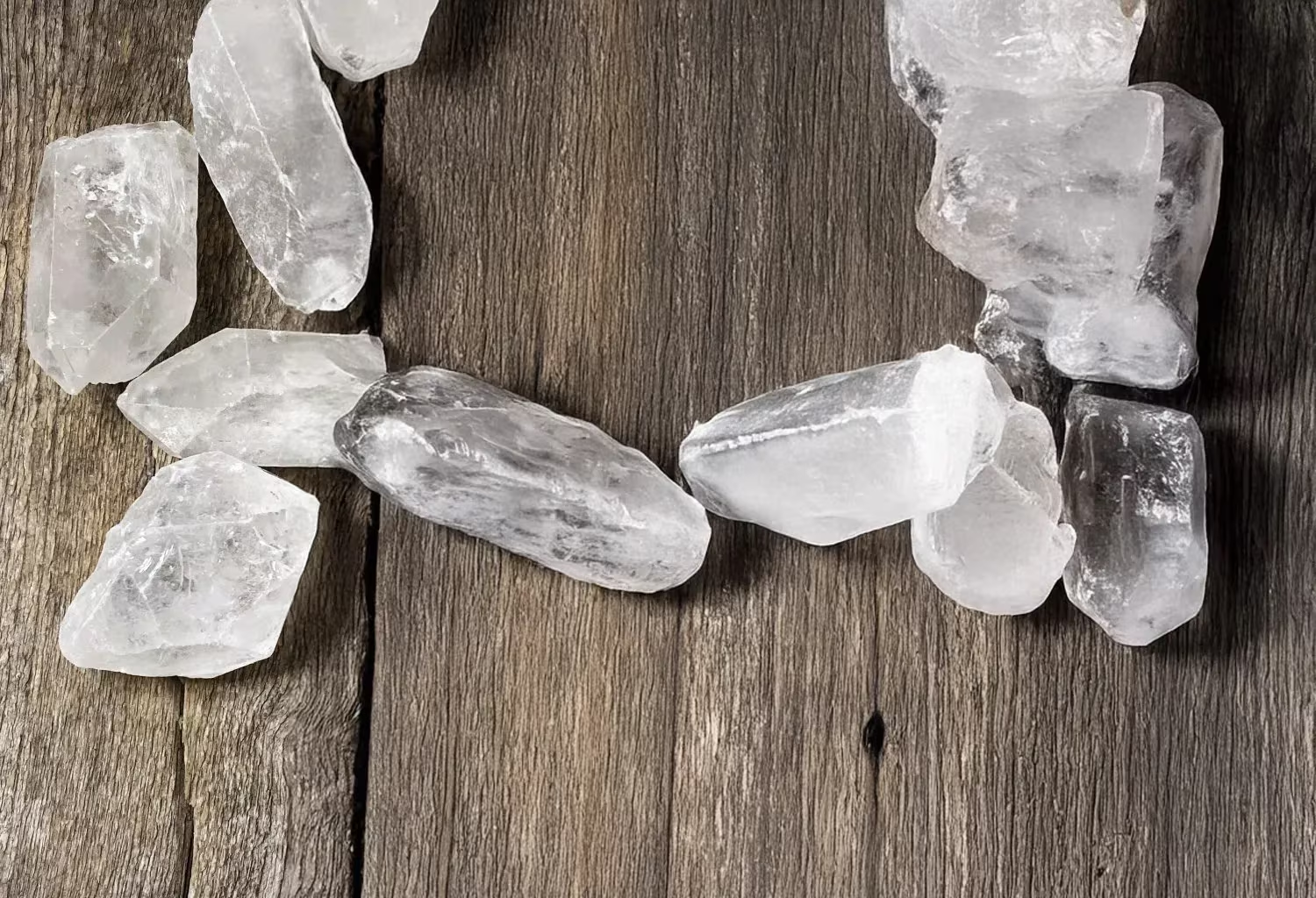
Rock crystal is the clear, colourless variety of quartz and works especially well in minimal interiors, desk displays and crystal collections.
How clear quartz looks
Clear quartz can range from water-clear to cloudy or icy. Some pieces contain inclusions, veils, tiny fractures or internal rainbows. These natural features are not necessarily flaws; they are part of the character of the stone.
Polished clear quartz feels modern and minimal. Raw points and clusters feel more geological and dramatic. Tumble stones are simpler and more pocket-friendly. Jewellery pieces can look clean, bright and easy to pair with many outfits.
Traditional associations
Clear quartz is traditionally associated with clarity, focus and amplification. Many people choose it as a general-purpose crystal because it is visually neutral and easy to combine with other stones. It is often used as a symbolic reminder for clear thinking, intention setting or fresh starts.
It is important to keep this language grounded. Clear quartz can support a calm visual setting or a personal routine, but it should not be described as producing promised mental or physical effects.
Best uses for clear quartz
Choose clear quartz or rock crystal if you want:
- a bright, minimal crystal for a desk or shelf
- a neutral stone that fits any interior style
- a beginner-friendly gift
- a crystal that pairs well with other colours
- jewellery that feels clean and understated
- a display piece that catches natural light.
Clear quartz is especially useful for customers who want one versatile stone before exploring more colourful varieties.
Rose quartz
Rose Quartz is the soft pink variety of quartz and one of the most popular stones for gifts. It can be pale, milky, translucent or deeper pink depending on the piece.
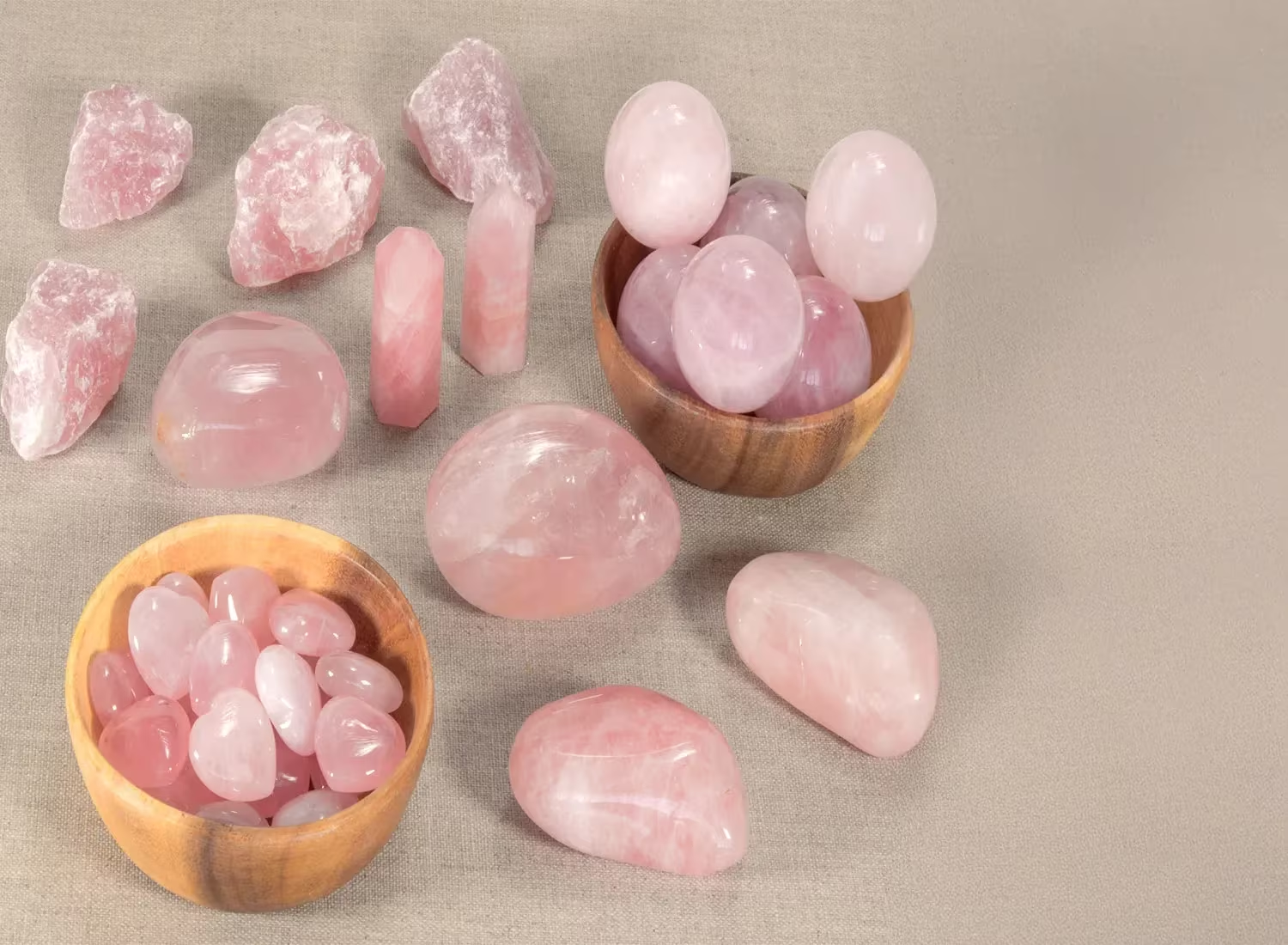
Rose quartz is often chosen for its soft colour, gentle symbolism and gift-friendly appearance.
How rose quartz looks
Rose quartz usually has a soft, cloudy or translucent appearance. It rarely looks as sharp and glass-clear as some clear quartz pieces. That softness is part of its appeal. It works well in bedrooms, self-care corners, dressing tables, jewellery trays and gentle gift sets.
Rose quartz also pairs beautifully with candles, pale ceramics, dried flowers, linen, white shelves and soft metallic tones. It is one of the easiest stones to style because the colour feels warm without being too bold.
Traditional associations
Rose quartz is traditionally associated with love, kindness, emotional warmth and self-care. Many people choose it as a symbolic gift for partners, friends, family members or themselves. It is also common in small care packages, jewellery pieces and bedside displays.
Avoid presenting rose quartz as an emotional solution. A better approach is to describe it as a stone many people choose for soft symbolism, personal reminders and gentle home styling.
Best uses for rose quartz
Choose rose quartz if you want:
- a soft pink stone for gifting
- a bedroom or self-care display
- jewellery with gentle colour
- a stone traditionally linked with affection and warmth
- a beginner-friendly crystal that feels approachable
- a thoughtful addition to a candle or bath gift set.
Rose quartz is one of the strongest commercial stones in the quartz family because it connects naturally with gift intent.
Amethyst
Amethyst is the purple variety of quartz. It can range from pale lilac to deep violet and may show white banding, translucent areas or rich colour zoning.
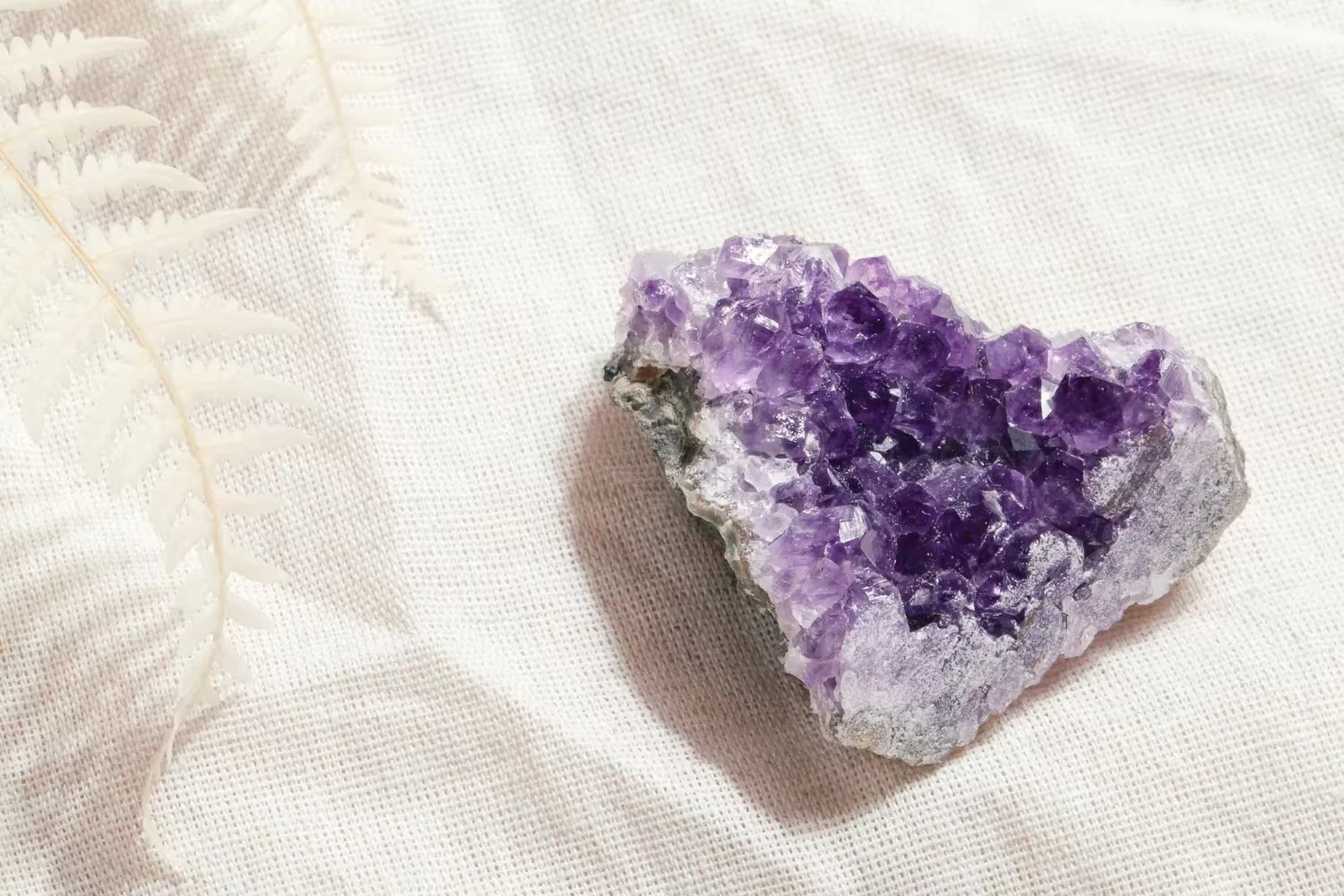
Amethyst is a classic purple quartz variety, commonly chosen for bedrooms, quiet corners, gifts and decorative crystal displays.
How amethyst looks
Amethyst is visually stronger than clear quartz or rose quartz because the purple colour is immediately recognisable. It can look elegant, spiritual, classic or decorative depending on the form. Tumble stones are beginner-friendly. Clusters and geodes make stronger display pieces. Jewellery adds purple colour without being too bright.
Amethyst works well with grey, white, cream, dark green, brass, black, walnut and natural wood. It can make a small shelf or bedside table feel more intentional without needing many other objects.
Traditional associations
Amethyst is traditionally associated with calm, reflection and evening routines. It is often chosen for bedrooms, reading spaces, meditation corners and quiet home settings. It is also the traditional February birthstone, which gives it strong gift potential.
The safest wording is symbolic and traditional: amethyst is “often chosen for a calm atmosphere” or “traditionally associated with reflection.” Avoid stronger claims that imply a promised effect.
Best uses for amethyst
Choose amethyst if you want:
- a purple crystal with strong recognition
- a classic beginner stone
- a February birthstone gift
- a decorative piece for a bedroom or reading corner
- a stone that pairs well with lavender, incense or evening home fragrance, including candle-led setups from the gemstone candles guide
- a visually rich alternative to softer stones.
Amethyst is especially useful in content clusters because it deserves its own later article while still belonging naturally in the wider quartz guide.
Smoky quartz
Smoky Quartz is a grey, brown or smoky-looking variety of quartz. Its colour can be pale and transparent or deep and almost chocolate-brown.
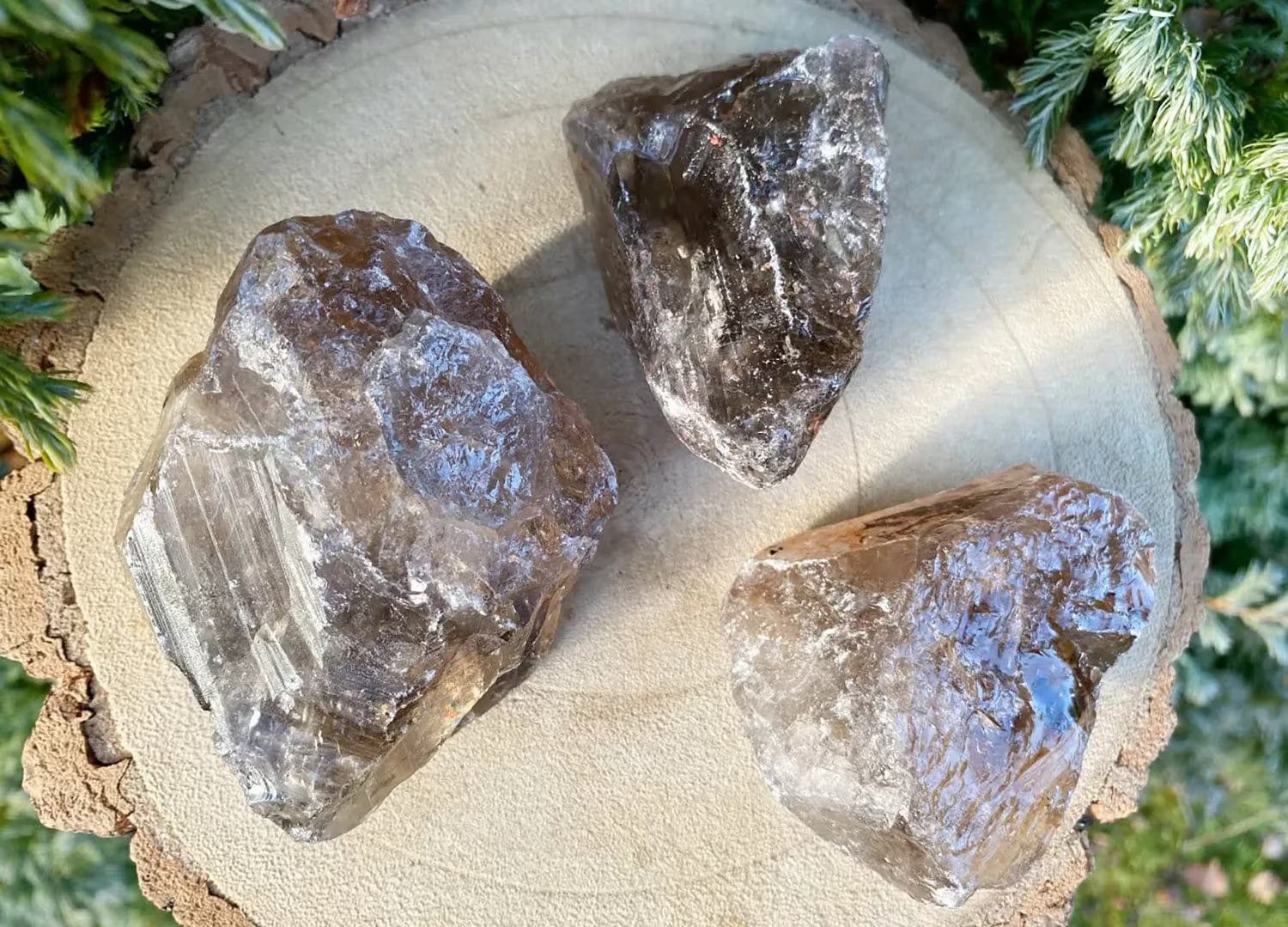
Smoky quartz has a darker, more grounded appearance than clear quartz, rose quartz or amethyst.
How smoky quartz looks
Smoky quartz feels more subtle and mature than many colourful crystals. It suits modern interiors, workspaces, darker shelves, masculine gift sets and earthy home styling. Because the colour is less bright, it can blend well with leather, wood, stoneware, black metal and neutral interiors.
Smoky quartz can appear in points, clusters, tumbled stones, spheres, pendants and decorative pieces. Transparent smoky quartz can look refined and glassy, while darker pieces feel heavier and more dramatic.
Traditional associations
Smoky quartz is traditionally associated with grounding, steadiness and practical focus. Many people choose it for desks, entryways or places where they want a visually calm anchor. Again, this should be treated as symbolism and personal preference rather than a promise of specific effects.
Best uses for smoky quartz
Choose smoky quartz if you want:
- a darker quartz stone for a desk or shelf
- a more subtle alternative to purple or pink crystals
- a grounded visual style
- a thoughtful gift for someone who prefers neutral interiors
- a crystal that pairs well with wood, incense, resinous scents or darker décor.
Smoky quartz is a good choice when a customer likes crystals but does not want anything too bright or delicate-looking.
Citrine and other quartz varieties
Although the main focus of this article is clear quartz, rose quartz, amethyst and smoky quartz, Citrine also belongs to the quartz family. Citrine is usually associated with warm yellow, golden or honey-like tones. It is often chosen for brightness, optimism and sunny home styling.
Other quartz-family stones on Aroma Sentia may include varieties such as agate, jasper, tiger eye, aventurine, onyx and blood stone depending on the category structure and product classification. Some are cryptocrystalline quartz varieties, meaning the crystals are microscopic rather than visibly pointed or transparent.
For customers, the practical takeaway is simple: the quartz family is broad. You can start with familiar stones, then branch into more patterned or specialised varieties as your taste develops.
How to choose between quartz types
The easiest way to choose is to start with the mood, colour and use case.
Choose clear quartz for versatility
Clear quartz or rock crystal is the safest first choice if you want something neutral. It fits almost any room and pairs with almost any other stone. It is ideal for customers who want a classic crystal look without strong colour.
Choose rose quartz for soft gifts
Rose quartz is best when the goal is warmth, softness and personal gifting. It suits birthdays, friendship gifts, self-care sets, bedroom décor and jewellery. It is also easy to explain to someone who is new to crystals.
Choose amethyst for colour and classic crystal appeal
Amethyst is best when the customer wants something recognisable, purple and slightly more dramatic. It has strong beginner appeal and works especially well in quiet corners, bedrooms and gift sets for people who like purple.
Choose smoky quartz for a darker style
Smoky quartz is best for modern interiors, desks, darker rooms and people who prefer subtle colours. It feels less decorative than rose quartz and less colourful than amethyst, which can make it more versatile for certain customers.
Choose citrine for warmth
Citrine is best when the customer wants yellow, gold or sunny tones. It is suitable for bright gift sets, workspaces, seasonal displays and cheerful home styling.
Quartz formats: points, clusters, tumble stones and jewellery
The stone variety matters, but the format matters just as much.
Quartz points and towers
Points and towers create a clear focal point. They work well on desks, shelves, altars, bedside tables and display trays. A clear quartz point feels minimal and bright, while amethyst or smoky quartz points create more colour and depth.
Quartz clusters and raw pieces
Clusters and raw pieces feel more natural and geological. They are good for customers who enjoy mineral texture and want a display piece rather than a pocket stone. Larger pieces can become centrepieces in living rooms, entryways or quiet corners.
Quartz tumble stones
Tumble stones are the easiest format for beginners. They are smooth, compact and affordable. A customer can compare several quartz types in the same format, such as rose quartz, amethyst, clear quartz and smoky quartz.
Quartz jewellery and accessories
Gemstone Jewelry & Accessories turn quartz into wearable pieces. Rose quartz pendants, rock quartz bracelets, amethyst accessories and smoky quartz items are useful for people who prefer to keep stones with them rather than display them at home. For a fuller comparison of bracelet, pendant and necklace formats, read the gemstone jewellery guide.
Quartz with home fragrance
Quartz also pairs naturally with Aroma Sentia’s home fragrance positioning. Clear quartz can sit beside fresh citrus or clean scents. Rose quartz pairs well with soft florals. Amethyst works with lavender, resinous or evening blends. Smoky quartz suits woody, smoky or earthy fragrance profiles. Gemstone Candles can also help customers combine visual and aromatic atmosphere in one product type.
Quartz care and cleaning
Quartz is durable, but it still deserves careful handling. Most quartz pieces can be dusted with a soft cloth. Polished stones can usually be wiped with a slightly damp cloth, but it is still best to avoid harsh chemicals, abrasive cleaners and long soaking unless the product guidance says it is safe.
Care tips:
- keep polished pieces away from abrasive surfaces
- avoid dropping points, towers and jewellery
- dust clusters gently because small points can break
- keep jewellery away from perfume, lotion and household cleaners
- avoid strong sunlight for long periods, especially for colour-sensitive stones such as amethyst
- check product guidance before using oils near crystals.
Quartz is generally easier to care for than many softer minerals, which is another reason it is beginner-friendly.
Quartz gift ideas
Quartz is one of the best gemstone families for gifts because the varieties are easy to match with personality and style.
Good quartz gift ideas include:
- clear quartz for someone who likes clean, minimal décor
- rose quartz for soft, affectionate or self-care gifts
- amethyst for February birthdays or purple crystal lovers
- smoky quartz for modern desks, darker interiors or grounded styling
- citrine for warm, cheerful and sunny gift sets
- quartz tumble stones for beginners or collectors
- quartz jewellery for wearable gifts
- quartz paired with candles, incense or home fragrance products.
A helpful gift strategy is to choose by colour first, then add symbolic meaning as a secondary layer. That keeps the gift personal and visually relevant rather than relying only on traditional associations.
Building a quartz collection over time
A balanced quartz collection does not need to be large. Start with one clear quartz or rock crystal piece, one rose quartz piece, one amethyst piece and one smoky quartz piece. This gives you a light, soft, purple and dark option within the same mineral family.
From there, add formats that suit your lifestyle. If you like display pieces, choose clusters or towers. If you like carrying stones, choose tumble stones. If you like gifts and everyday styling, choose jewellery. If you enjoy home atmosphere, pair quartz pieces with candles, diffusers or gemstone candles.
A small, intentional quartz collection is often more useful than a large group of stones with no clear purpose.
Explore Aroma Sentia’s quartz crystals
Aroma Sentia’s Quartz category sits inside the wider Gemstones & Minerals section and connects naturally with several important gemstone subcategories. Start with quartz if you want a practical, beginner-friendly crystal family that still offers plenty of variety.
Browse Quartz for the wider category, then explore Rock Crystal for clear quartz, Rose Quartz for soft pink stones, Amethyst for purple quartz and Smoky Quartz for darker, grounded tones. If you prefer polished small stones, compare the options in Tumble Stones. If you want a wearable piece, explore Gemstone Jewelry & Accessories.
If you are buying quartz as a present, the crystal gifts guide can help you match clear quartz, rose quartz, amethyst or smoky quartz to the recipient and occasion.
FAQ
What are the main types of quartz crystals?
The main beginner-friendly quartz types include clear quartz or rock crystal, rose quartz, amethyst, smoky quartz and citrine. Quartz also includes several patterned or microcrystalline varieties such as agate, jasper and aventurine, depending on classification and product category.
Is rock crystal the same as clear quartz?
Yes. Rock crystal is the clear, colourless variety of quartz. In everyday shopping, many people use the terms rock crystal and clear quartz almost interchangeably, although rock crystal usually refers specifically to transparent or near-transparent pieces.
What is rose quartz traditionally associated with?
Rose quartz is traditionally associated with love, kindness, emotional warmth and self-care. Many people choose it for soft gifts, bedrooms, dressing tables and personal reminders, but it should be treated as symbolic rather than a promised emotional outcome.
Why is amethyst part of the quartz family?
Amethyst is a purple variety of quartz. Its colour comes from natural trace elements and geological processes. It shares the same basic mineral family as clear quartz, rose quartz, smoky quartz and citrine.
What is smoky quartz good for in home décor?
Smoky quartz is useful when you want a darker, more grounded visual style. It suits desks, entryways, shelves, masculine gift sets and modern interiors. Many people choose it for its grey-brown tones and traditional association with steadiness.
Which quartz crystal is best for beginners?
Clear quartz, rose quartz and amethyst are usually the easiest beginner choices. Clear quartz is versatile, rose quartz is gift-friendly and amethyst is recognisable and decorative. Smoky quartz is also a good option for people who prefer darker, more subtle stones.
How do I clean quartz crystals?
Most quartz pieces can be dusted with a soft cloth or wiped gently with a slightly damp cloth. Avoid harsh chemicals, abrasive cleaners and dropping delicate points or clusters. Keep colour-sensitive stones such as amethyst away from strong sunlight for long periods.