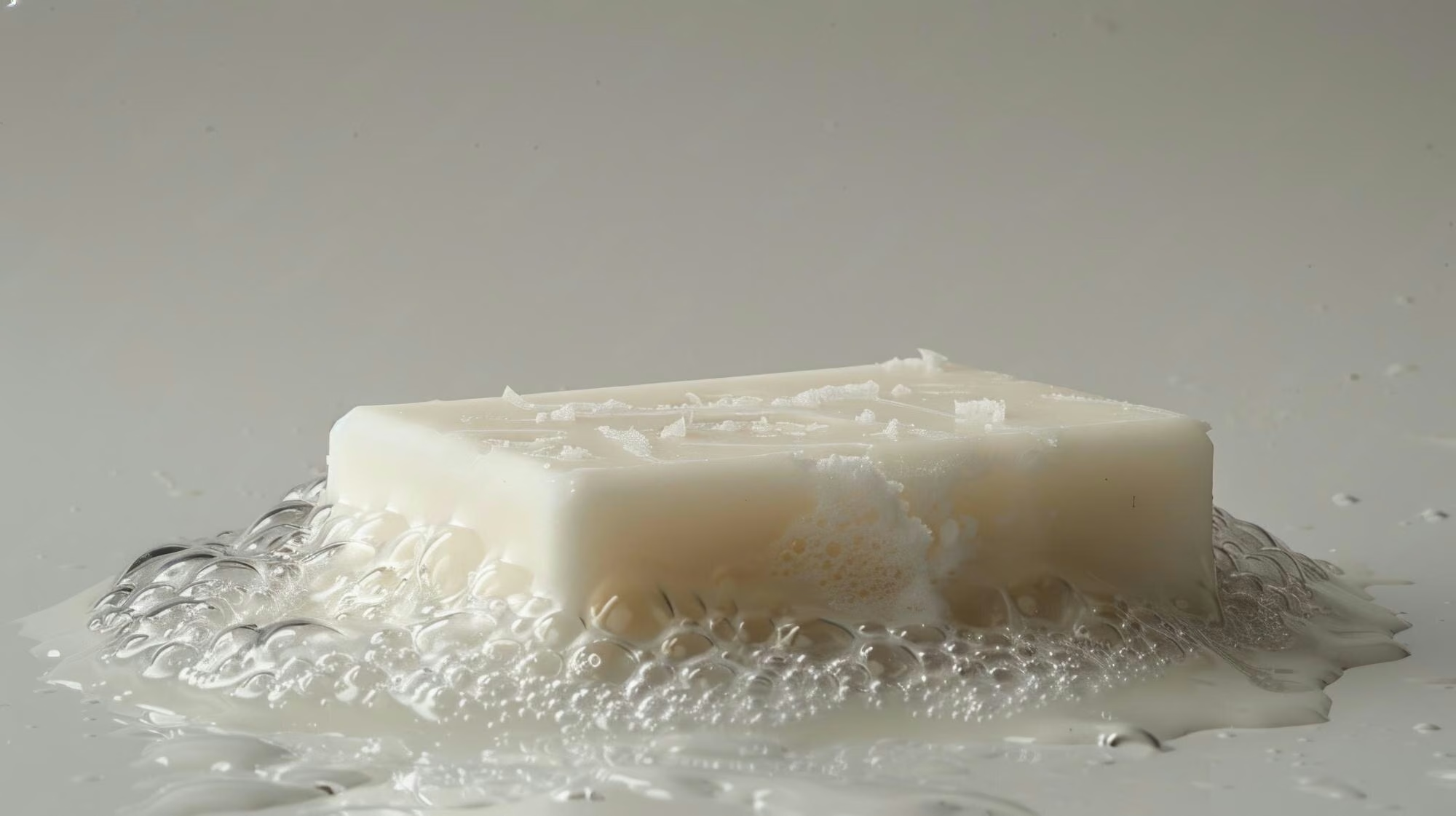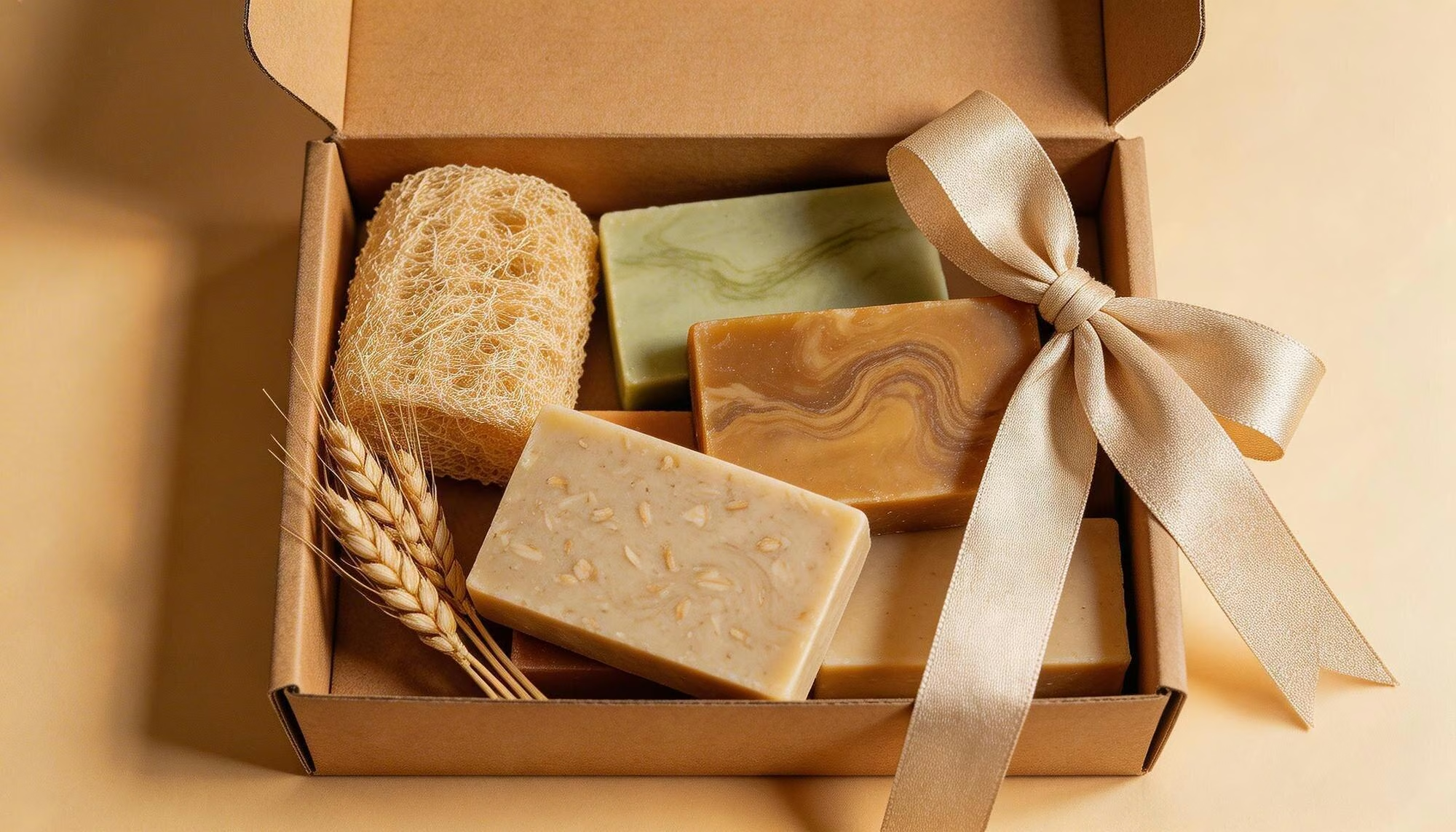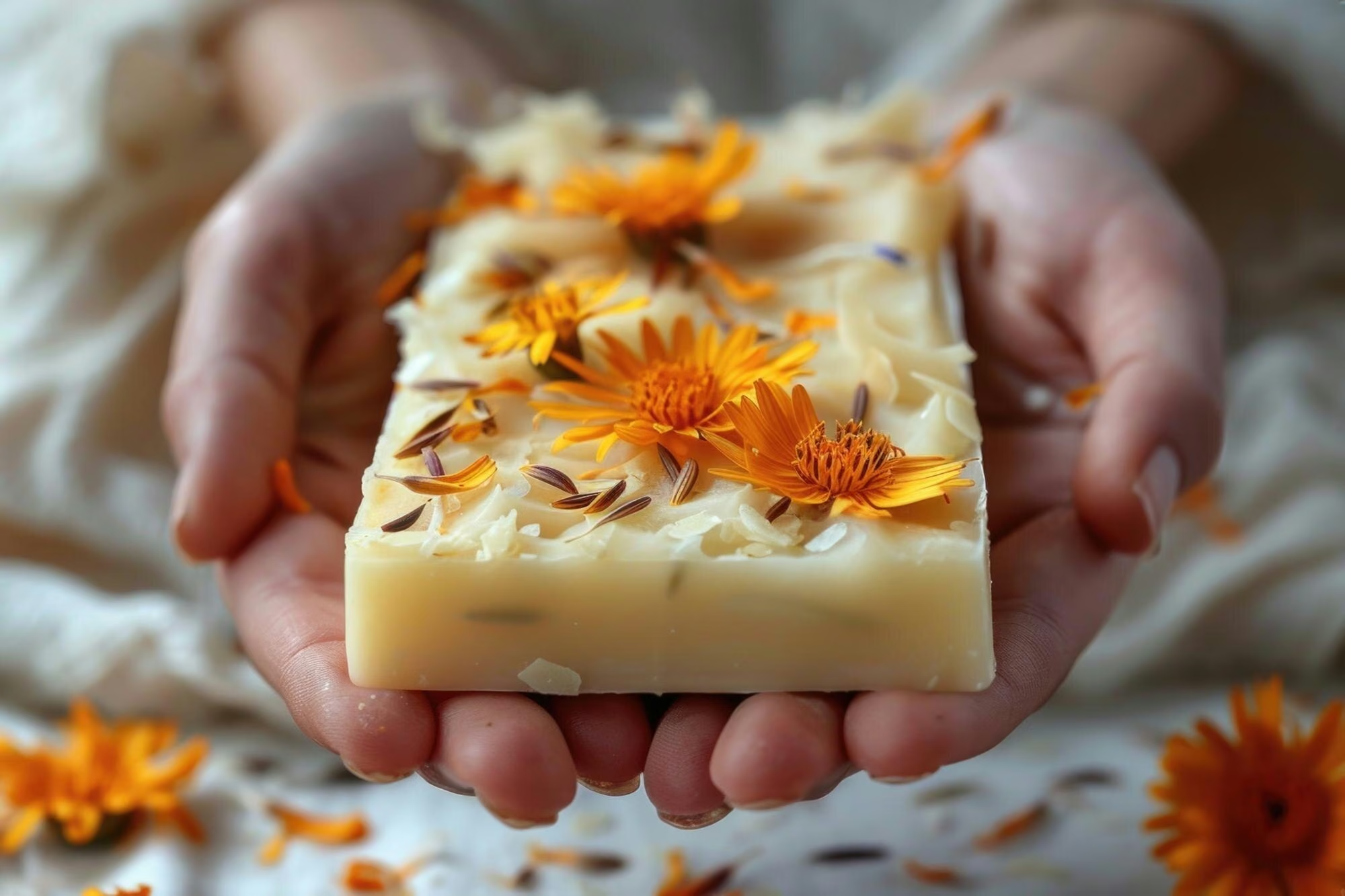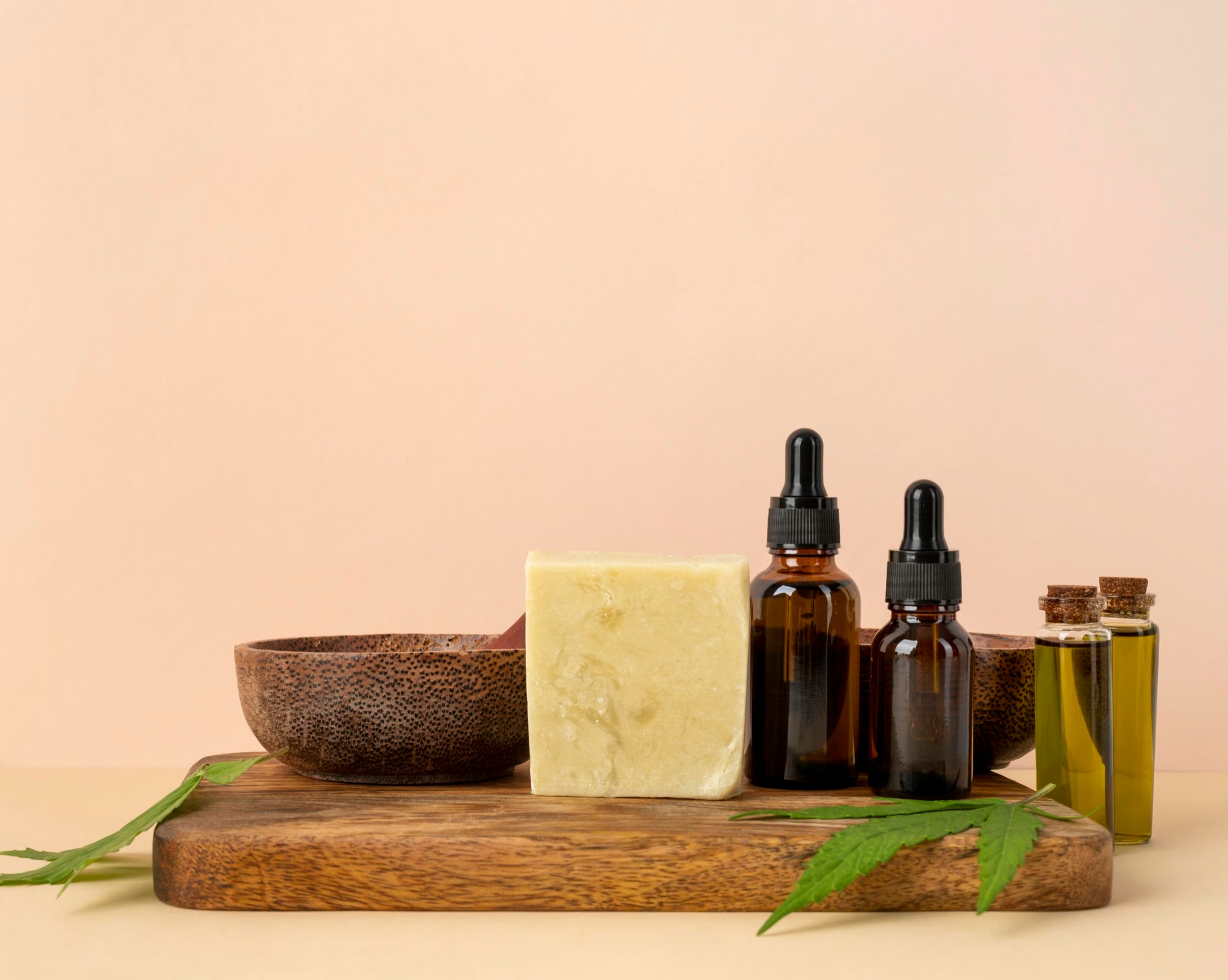
Handmade soap sits at the comfortable meeting point between a daily routine and a small act of care. A good bar should feel pleasant in the hand, create a rich but gentle lather and leave skin feeling clean without that tight, stripped sensation that many commercial bars leave behind. For Aroma Sentia customers, this category sits naturally beside aromatherapy oils, bath-time extras and thoughtful self-care gifts – someone who already enjoys essential oils, incense or a calm evening ritual may well appreciate a bar made from plant oils and scented with pure essential oils.
The best way to choose is simple: start with your skin, then look at ingredients, scent and format. A dry-skin bar built on shea or olive oil will feel very different from a purifying charcoal bar for oily or blemish-prone skin, and a whipped soap for the shower is a different experience from a firm traditional bar. This guide walks through what handmade soap actually is, how it differs from commercial detergent bars and how to pick the right one for your routine.
What makes a soap “handmade” and “natural”
Real handmade soap is made through saponification: oils and butters are combined with lye, and the chemical reaction transforms them into soap and glycerin. After the curing process is complete, no lye remains in the finished bar – the oils have been entirely converted into soap. Because the glycerin is left in the bar rather than extracted and sold separately, handmade soap keeps a natural humectant that draws moisture to the skin and supports a softer, more comfortable after-wash feel.
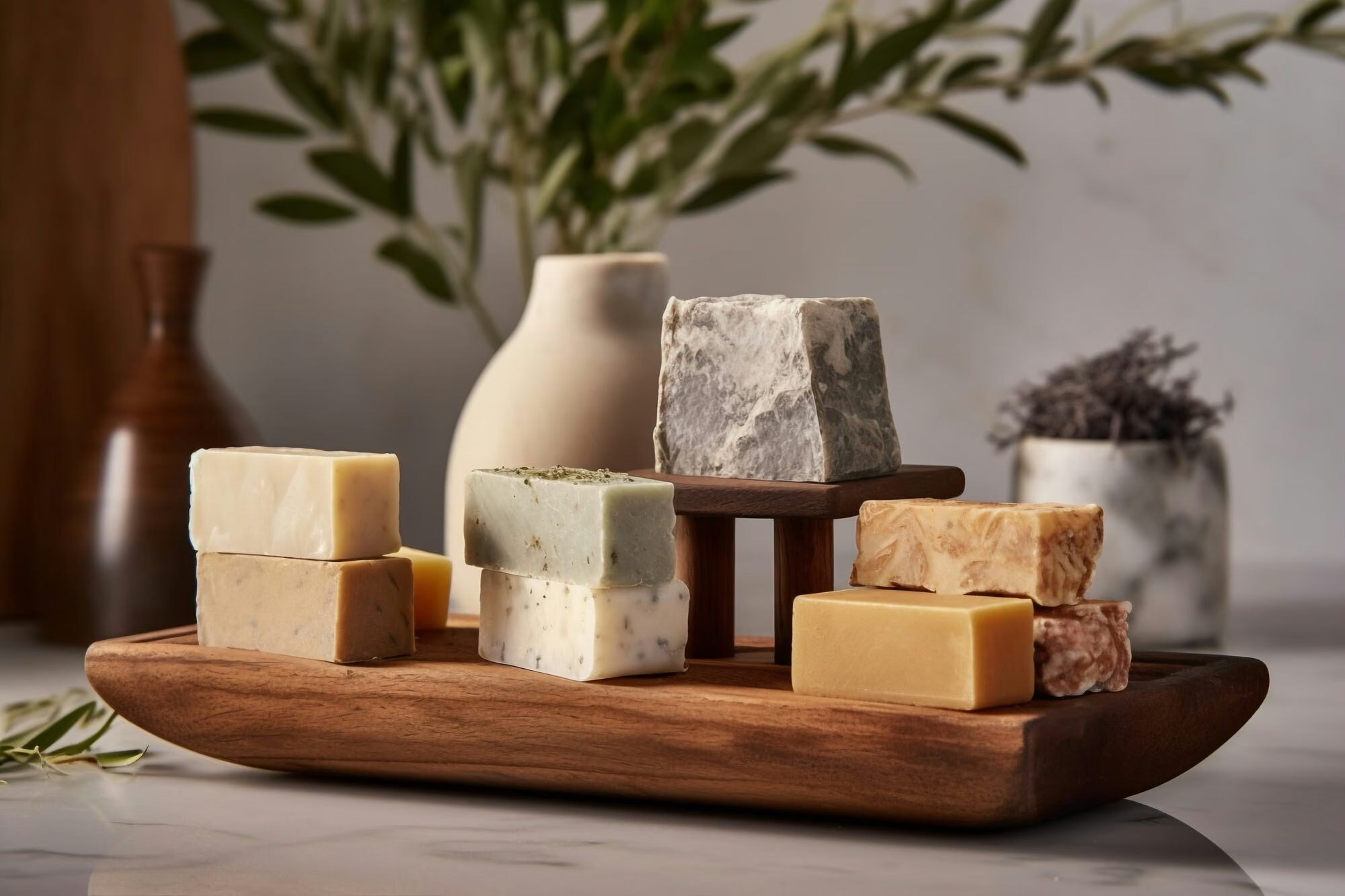
Most natural handmade bars are built on plant-based oils and butters such as olive oil, coconut oil and shea butter. They are typically scented with pure essential oils and botanical extracts rather than synthetic fragrance, and coloured with natural clays, charcoal or botanical powders instead of synthetic dyes. That is why the Natural Soaps collection is organised around these characteristics: vegan olive-oil bars, whipped soaps, exfoliating scrubs and soap loaves all made without harsh synthetic detergents, sulfates or artificial foaming agents.
The wording should stay grounded here. A handmade soap can be gentler, more moisturising and more pleasant to use than a detergent bar, and many people with sensitive skin prefer it. But a soap is a cleansing product, not a treatment – its value is in how it feels to use every day, not in any promise to heal or fix the skin.
Handmade soap vs commercial soap: what changes in practice
| Natural handmade bar | Commercial detergent bar | |
|---|---|---|
| How it is made | Saponified plant oils, cured slowly, glycerin retained | Synthesised detergents, glycerin often removed and sold separately |
| Main ingredients | Olive, coconut, shea and other plant oils and butters; natural clays | Petroleum-based surfactants, synthetic foaming agents, added glycerin |
| Scent | Pure essential oils and botanical extracts | Synthetic fragrance blends |
| Lather and feel | Creamy, lower-foaming, skin-conditioning | High-foaming, can feel squeaky-clean or tight |
| After-wash feel | Soft, hydrated, nourished | Can feel dry or stripped, especially on sensitive skin |
This is not a claim that every commercial bar is bad – many are perfectly functional. It is a description of the two approaches so you can choose with your eyes open. The market reflects the growing interest in the natural side: the global organic soap market was valued at USD 2.54 billion in 2025 and is projected to grow to USD 4.97 billion by 2034, according to Fortune Business Insights, while bar soap accounted for roughly 95% of the organic soap market in 2025, per Mordor Intelligence.
How to choose handmade soap for your skin type
Skin type is the fastest way to narrow the choice. The Natural Soaps category organises its range around exactly this, and the same logic works when you are comparing individual bars:
- Dry or mature skin – choose shea-butter or olive-oil bars with a creamy, deeply hydrating character. These offer the emollient care that dry skin usually needs.
- Oily or blemish-prone skin – look for activated charcoal or tea-tree bars, which have a purifying, clarifying character and a cleaner finish.
- Sensitive or reactive skin – fragrance-free and gently formulated bars are the safest starting point. Do a patch test first, because the pH of soap is higher than the skin’s natural acidic mantle.
- Normal skin – almost any well-made bar works; let scent and format lead the decision.
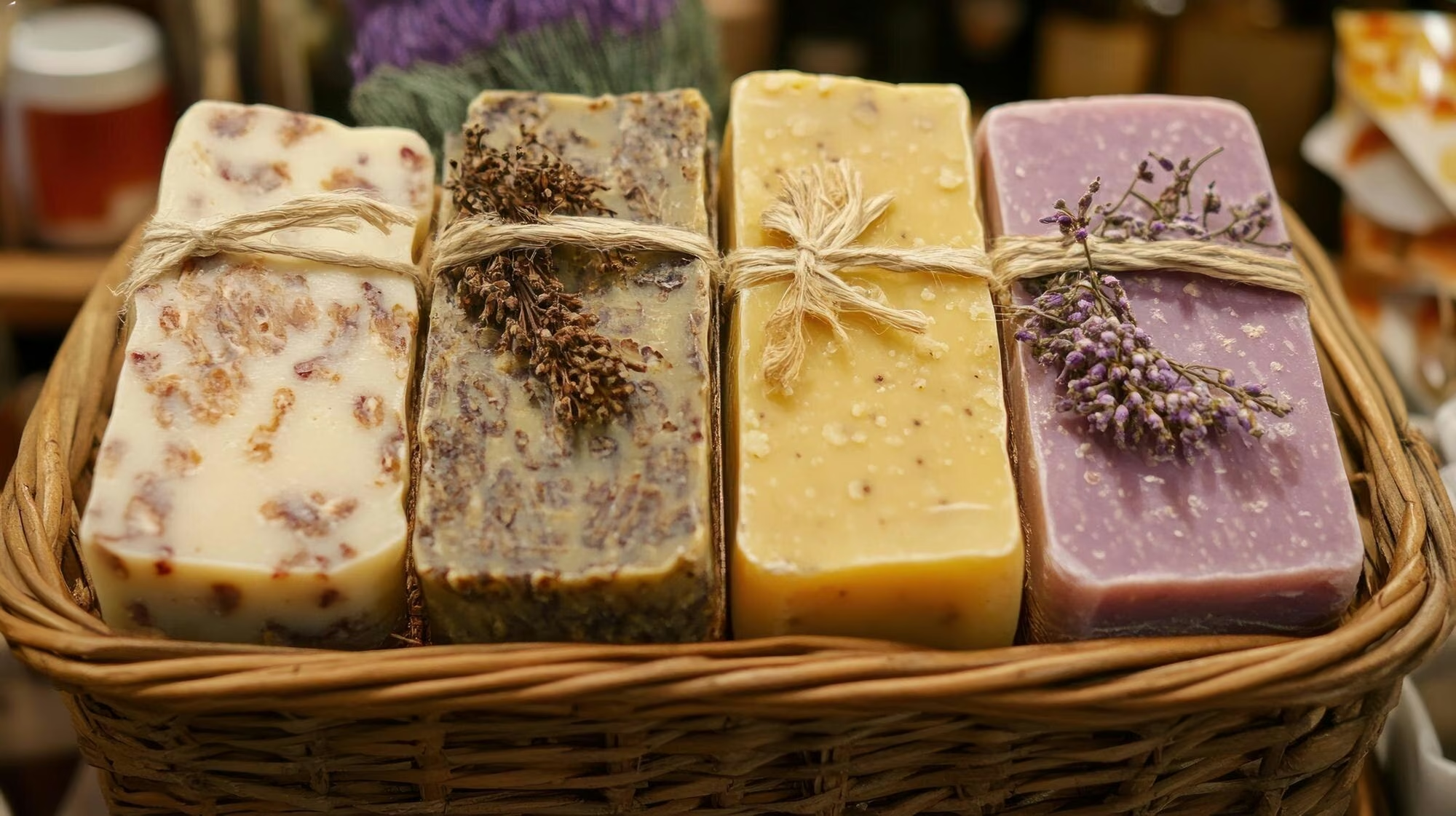
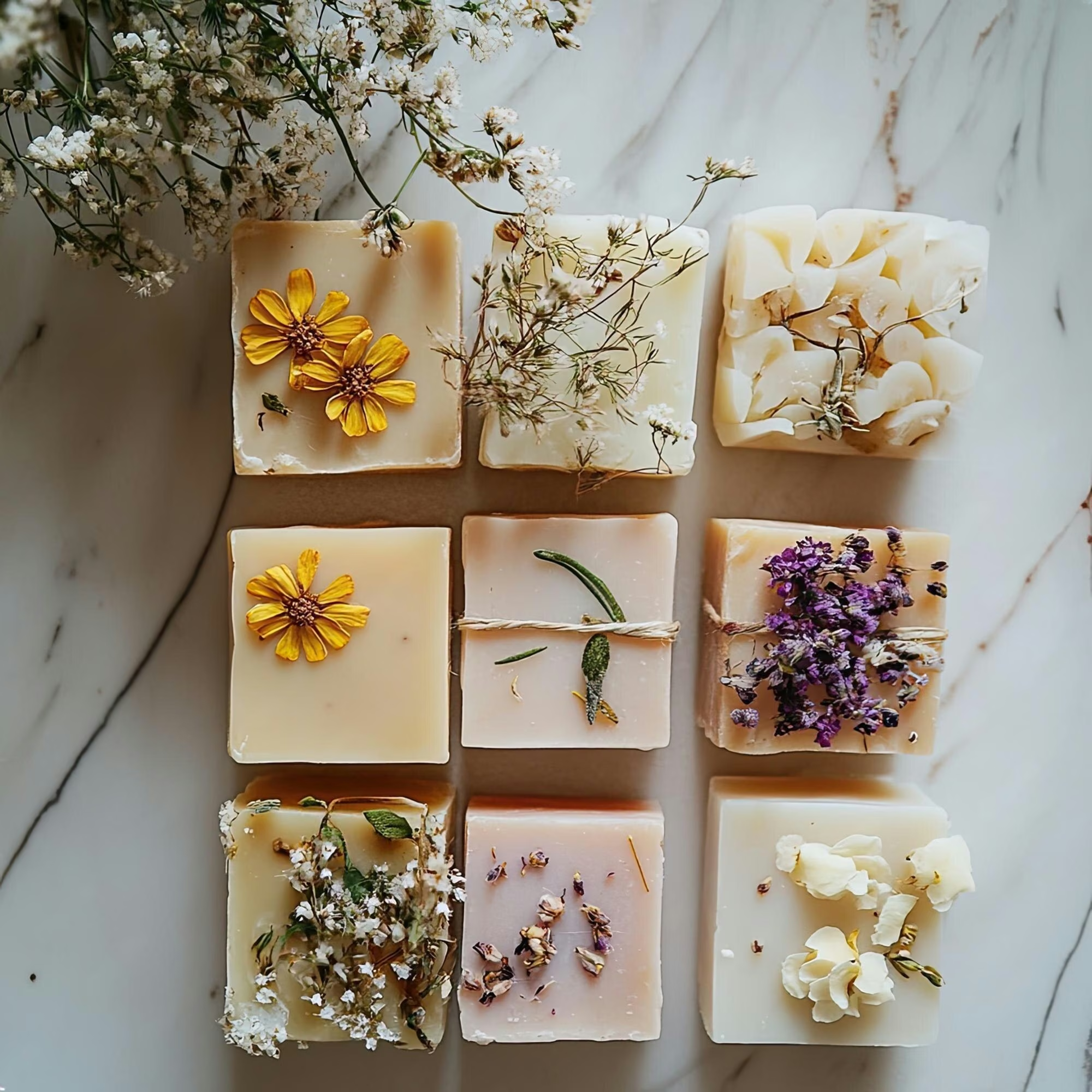
Texture matters too. Bars with embedded botanicals, clays or scrubbing particles add gentle manual exfoliation, while smooth creamy bars are the gentlest option for daily full-body use. If you wash your hands several times a day, a nourishing bar like the Brightening Vitamin C Hand Soap is a practical choice – it cleanses while keeping the hands comfortable through the day.
Scent and aromatherapy in the shower
Fragrance is what most people notice first, and in handmade soap it comes from the essential oils themselves. Citrus and peppermint blends are bright and energising – a good choice for invigorating morning showers. Lavender, chamomile and soft floral blends are calming and suit evening wind-downs. Woody, resinous and spicy notes such as cedarwood, patchouli and ginger feel grounding and atmospheric. The Natural Soaps collection spans citrus, floral, fruity, spicy, woody and herbal scent families, so there is room to match the soap to the mood of the day.
The aromatherapy connection is the same one you would find in essential oils – the scent is inhaled as you wash, which is why a morning citrus bar and an evening lavender bar can support different parts of your routine. If you are new to essential oils, the beginner’s guide to using them safely explains the basics of dilution, patch testing and sensible use. Scent in soap is a sensory experience, not a medicine – choose what makes washing feel like a small pleasure.
Whipped soaps, bars, slices and loaves: the formats
The format changes the experience as much as the ingredients do:
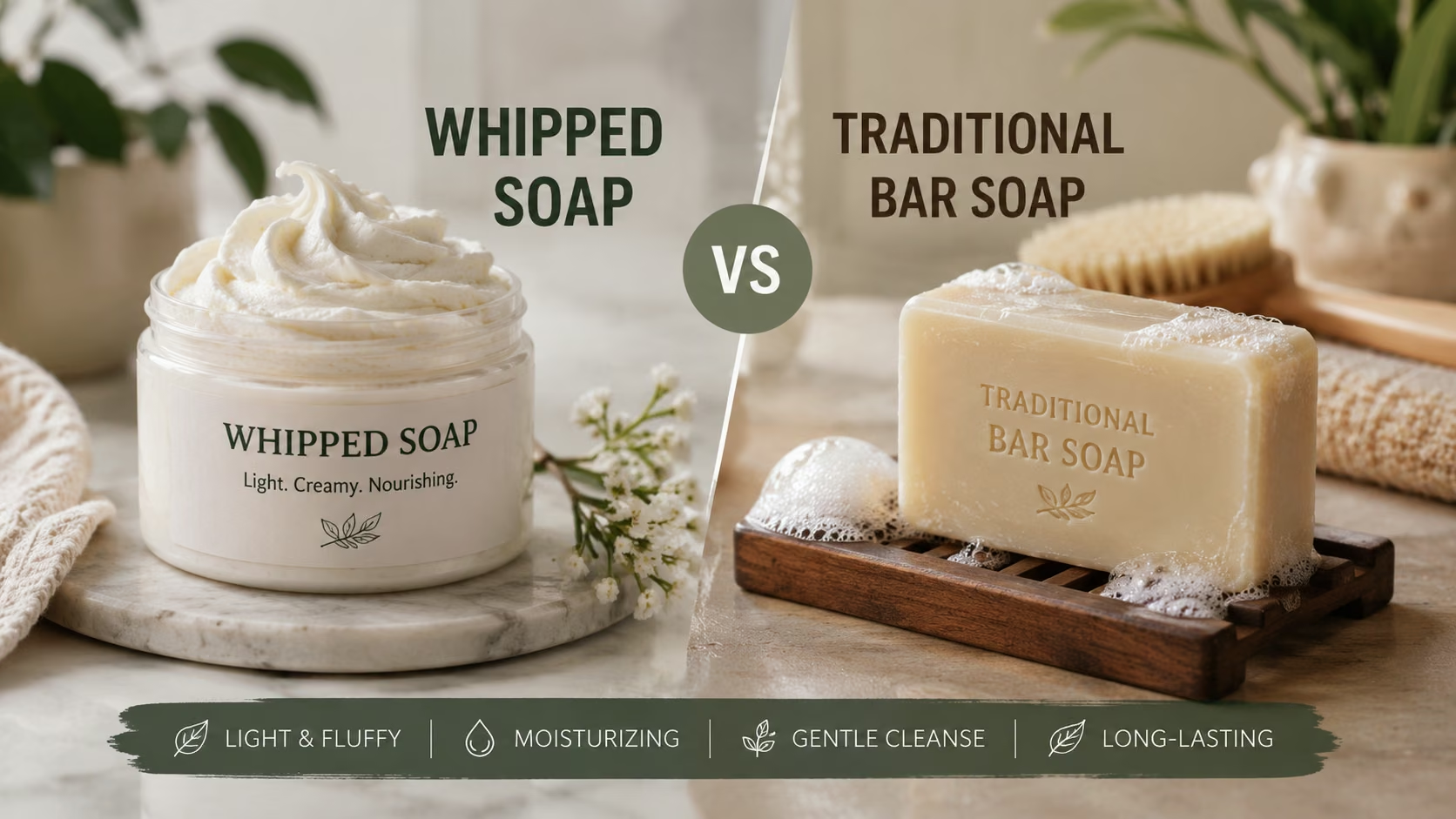
- Whipped cream soaps – light, airy and foamy, usually sold in a jar or tub. They are a treat in the shower and feel indulgent without being heavy. The Aromatherapy Whipped Soap with Vitamin C is a popular example.
- Traditional bars – the classic format, dense, long-lasting and easy to store on a draining soap dish. This is where olive-oil, shea and charcoal bars live.
- Soap slices – individual cut pieces, often in tropical or fruit scent families. They are a great way to try several scents without committing to a full bar, and they make colourful additions to a bathroom shelf.
- Soap loaves – the full uncut block, ideal for someone who has found their favourite scent and wants the satisfaction of cutting their own slices over time.
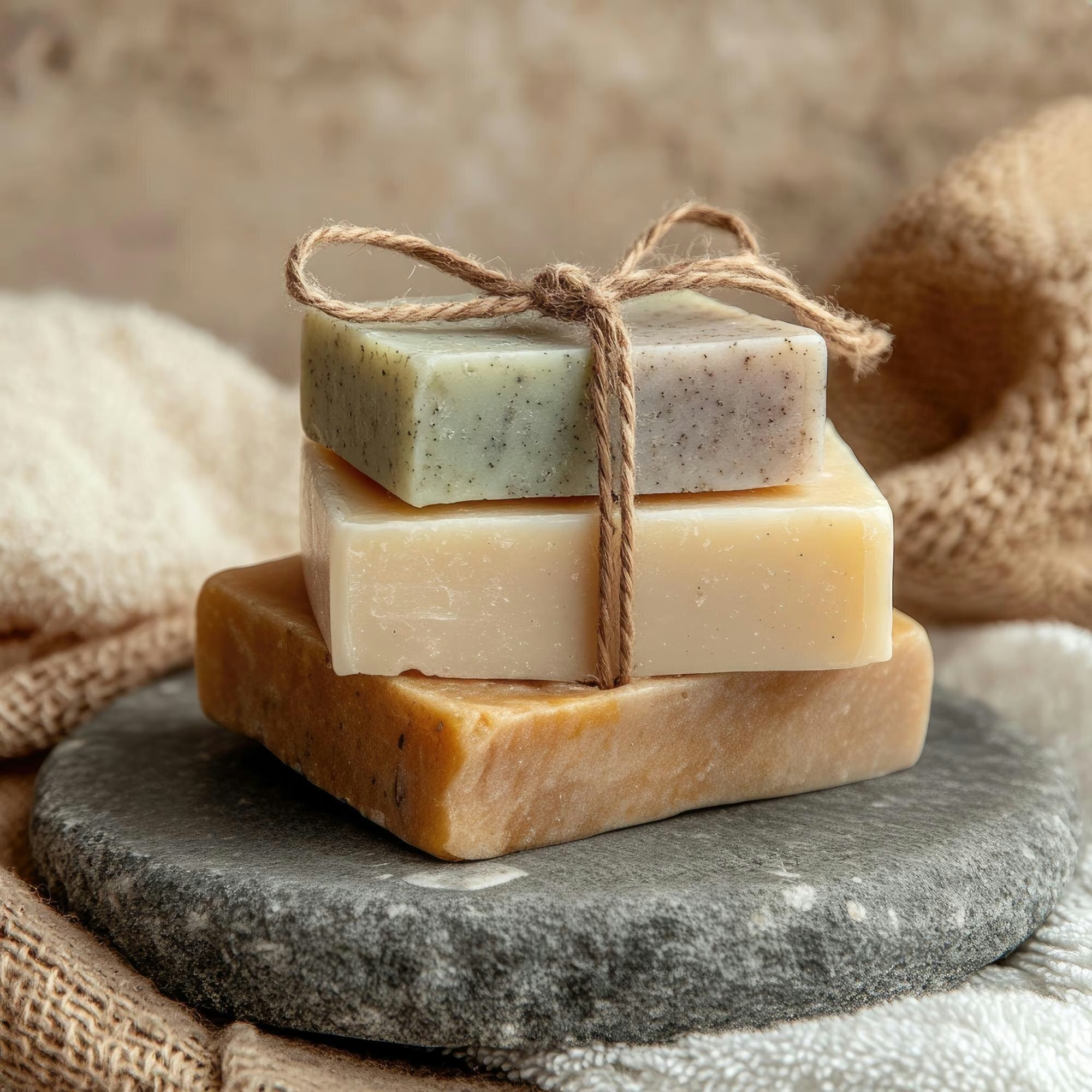
Each format has its own appeal, and many customers mix them: a firm olive-oil bar for daily hands, a whipped soap for weekend showers and a few slices for trying new scents.
How to make your handmade soap last longer
Because handmade soap keeps its glycerin, it attracts moisture – which is exactly what makes it conditioning, but also why it needs a little care to last. A few simple habits extend the life of a bar considerably:
- Keep the bar on a well-draining soap dish between uses so it can dry out between washes.
- Never leave it sitting in a pool of water – this is what softens and dissolves bars fastest.
- Give the bar airflow rather than sealing it in a wet, airless container.
- Rotate between two bars if you wash frequently, so each one has time to dry fully.
- For loaves, cut only what you need and store the rest in a cool, dry place.
If your bar sits in a dish, the Soap Dishes & Dispensers range has plenty of options that keep bars elevated and draining – a small change that noticeably lengthens a bar’s life and keeps the bathroom tidy.
Handmade soaps as gifts
Handmade soap is one of the easiest gifts to get right because it is useful, beautiful and personal without requiring the recipient to have specialist knowledge. A well-chosen bar can be enjoyed immediately, and the packaging and scent family can be matched to the person:
- Choose seasonal or festive scents for Christmas and holiday gift boxes, such as the winter whipped cream soap range.
- Choose soft florals and gentle creams for self-care and spa-style gifts.
- Choose a soap loaf when the gift should feel more substantial, or a set of slices when the recipient likes trying variety.
- Match the scent family to the recipient’s taste – citrus for someone bright and energetic, lavender for a calm evening ritual.
- Pair a bar with a soap dish, a small candle or bath-time extras to make a complete gift set.
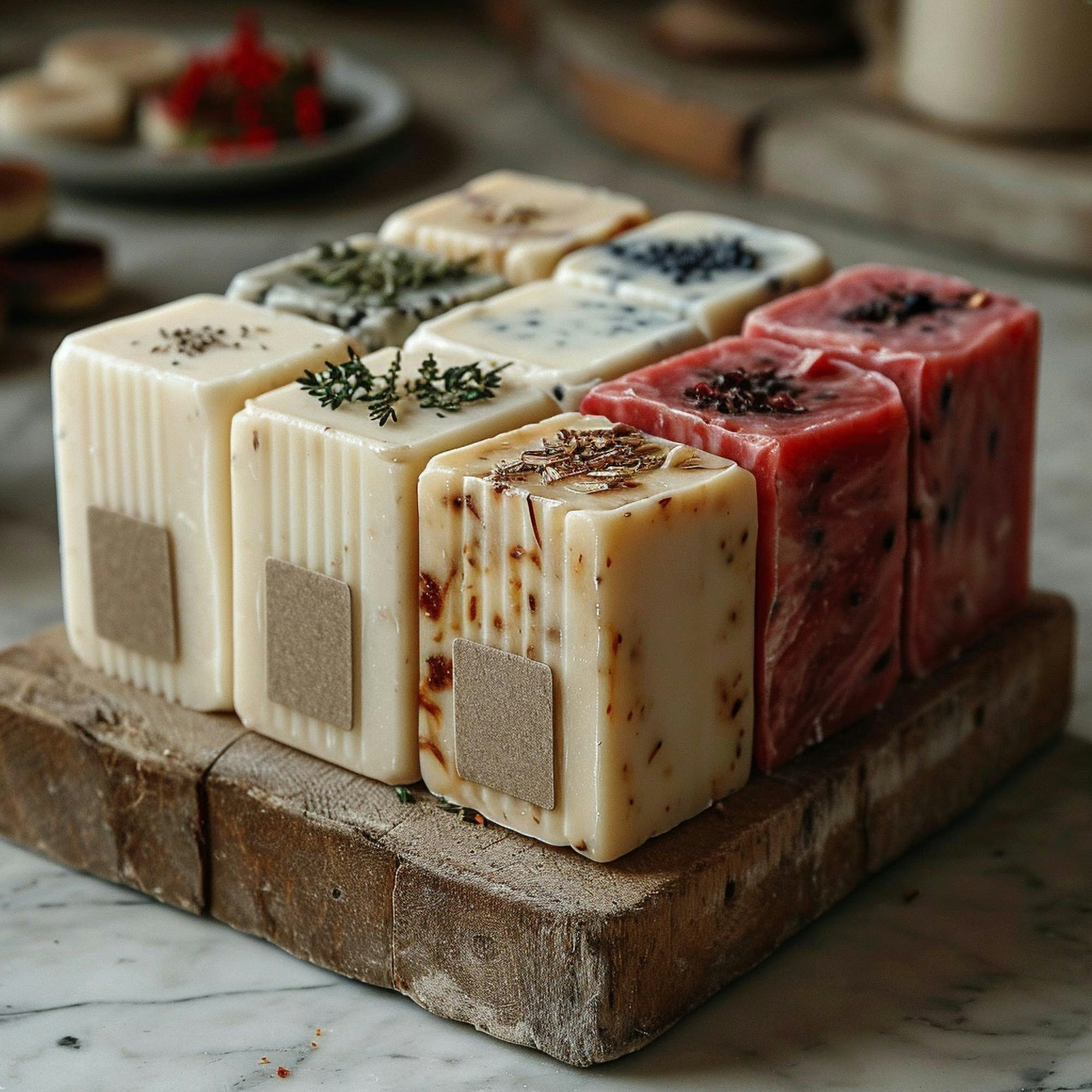
A natural-soap gift works well on its own or inside a larger self-care box, and it pairs naturally with the wider bath and body range when you want to build a themed present.
Explore handmade natural soaps
If you are choosing your first handmade soap, keep the decision simple: identify your skin type, pick a scent family you genuinely enjoy and choose a format that fits how you wash. For gifts, think about the recipient’s skin, favourite scents and the kind of routine they like to create.
Browse the full Natural Soaps collection to explore olive-oil bars, whipped soaps, slices and loaves, or compare the difference between natural and synthetic fragrance in our essential oils vs fragrance oils guide.
FAQ
What is handmade soap?
Handmade soap is soap made by saponifying plant-based oils and butters with lye, then allowing the bars to cure. The process produces soap and glycerin together, and in handmade soap the glycerin is left in the bar, which helps it feel more moisturising and gentle on the skin.
Is lye used in the finished bar of soap?
No. Lye is a necessary ingredient to turn oils into soap, but after saponification and curing are complete, the lye and oils have been entirely transformed into soap and glycerin. Nothing remains in the finished bar to irritate the skin.
Is handmade soap better for dry skin?
Many people with dry skin prefer handmade soap because the retained glycerin and plant oils such as olive oil and shea butter support a softer, more hydrated after-wash feel than typical commercial detergent bars. Bars high in shea or olive oil are the usual recommendation for dry or mature skin.
How long does handmade soap last?
With good storage – a well-draining dish, airflow and no standing water – a traditional bar can last several weeks of daily use. Loaves last much longer because you cut slices as you need them.
Can I use handmade soap on my face?
Many natural soap bars are gentle enough for facial use, particularly those with high superfat levels and soothing ingredients. However, soap has a higher pH than the skin’s natural acidic mantle, so a patch test is recommended first, and a mild bar should be chosen for the face.
Are natural soaps vegan?
Many bars in the Natural Soaps range are vegan, particularly the olive-oil and plant-based bars, but ingredients can vary by product – check the individual product description for the specific oils, butters and additives used in each bar.