Pure Essential Oils: What They Are, Why Purity Matters, and How to Choose
Essential Oils, Incense & Natural Wellness
Introduction: Why the Word « Pure » Matters
Walk into any health shop or search online for essential oils and you will see the word « pure » everywhere. Pure lavender oil. Pure peppermint oil. 100% pure essential oils.
But what does « pure » actually mean when it comes to essential oils — and how can you tell when a product is genuinely pure versus something quite different wearing the label?
This guide cuts through the confusion. You will learn exactly what makes an essential oil pure, why purity directly determines whether aromatherapy actually works, and how to identify and buy oils you can trust.
—
What Is a Pure Essential Oil?
A pure essential oil is a concentrated plant extract that contains only the volatile aromatic compounds recovered from a single botanical source — without synthetic additives, dilutions, or chemical alterations.
That sounds simple, but the reality of the essential oil industry makes it complicated. A bottle labelled « pure lavender oil » might contain:
One drop of genuine lavender extract
Synthetic linalool and linalyl acetate (the compounds that give lavender its scent)
A carrier oil to bulk it out
Chemical preservatives to extend shelf life
All four of those additions are common. None of them are « pure. »
True pure essential oil means:
100% botanical origin — only one plant species, no blends
No synthetics — no artificial fragrance compounds added
No dilution — sold at full concentration (though some oils like orange are naturally thicker)
No carriers — undiluted by default
Proper extraction — steam distillation, cold pressing, or solvent extraction (depending on the plant)
—
How Essential Oils Are Extracted: Why Process Matters
The method used to extract essential oils from plants has a direct effect on purity and quality.
Steam Distillation
The most common method. Steam passes through plant material, carrying volatile compounds with it. The resulting condensate separates into essential oil and hydrosol (plant water).
Used for: Lavender, eucalyptus, peppermint, most herbs and woody plants.
Cold Pressing
Mechanical extraction without heat. The peel or rind is literally pressed to release oils.
Used for: Citrus oils — orange, lemon, grapefruit, bergamot.
Solvent Extraction
Uses a chemical solvent (typically hexane or ethanol) to dissolve the aromatic compounds from delicate plant material that heat would damage.
Used for: Jasmine, rose, neroli. The resulting product is called a « concrete » or « absolute » — not technically a pure essential oil, but still a concentrated botanical extract.
What to watch: Some mass-market products use solvent extraction but label the result as a « pure essential oil. » If you want purely steam-distilled or cold-pressed products, check the label carefully.
—
Pure Essential Oils vs Fragrance Oils: The Critical Difference
This is where buyers most commonly get misled.
Property
Pure Essential Oil
Fragrance Oil
Source
Single botanical plant
Synthetic lab-created compounds
Aroma complexity
Multiple compounds, evolves as it diffuses
Consistent, flat scent profile
Therapeutic use
Used in aromatherapy for physiological effects
Designed only for scent
Price
£10–£200+ depending on plant
£3–£20
Regulatory definition
No legal standard in the UK/EU
Must list ingredients
Allergen risk
Natural allergens present
Synthetic allergens may be undisclosed
What Purity Actually Means for Your Health
Using an impure essential oil is not just a waste of money — it can cause real problems.
Skin Reactions
Synthetic fragrance compounds are among the most common causes of contact dermatitis. When diluted in a « pure » essential oil at high concentration, they can cause serious skin irritation, particularly in people with sensitivities.
Allergen Exposure
EU cosmetic regulations (including UK post-Brexit) require disclosure of 26 specific fragrance allergens on product labels. Many mass-market « pure » oils do not comply with this — either because they use non-disclosed synthetic versions of these allergens, or because they are simply mislabelled.
No Therapeutic Benefit
The case for using essential oils in aromatherapy rests entirely on their chemical composition. A synthetic fragrance oil may smell identical but lacks the full spectrum of natural compounds that interact with the olfactory system and the body. You are diffusing perfume, not therapy.
Hormone Disruption
Some adulterated essential oils — particularly patchouli, cedarwood, and tea tree — have been found to contain synthetic compounds that act as endocrine disruptors. This is documented in peer-reviewed toxicology literature.
—
How to Test Essential Oil Purity at Home
You cannot fully verify purity without a laboratory gas chromatography-mass spectrometry (GC-MS) test, but there are several home checks that will flag obvious problems.
1. The Paper Test (Spot Test)
Place one drop of essential oil on a white paper towel. Pure essential oils evaporate completely within 1–2 hours with no oily residue. If there is a persistent greasy stain, the oil has been diluted with a carrier oil.
Note: Citrus oils will leave a slight residue because they contain non-volatile waxes — this is normal.
2. The Label Test
Look for:
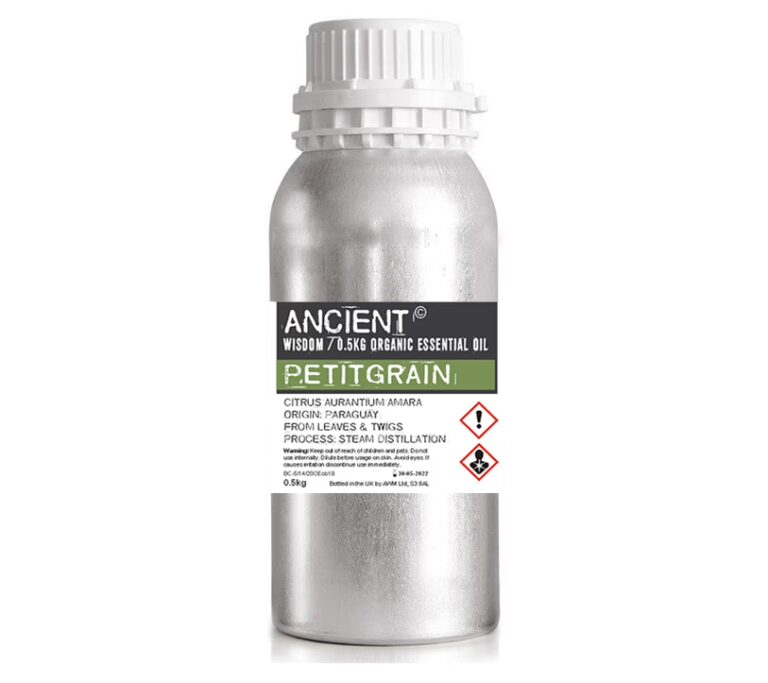
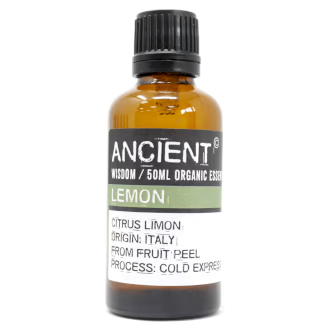
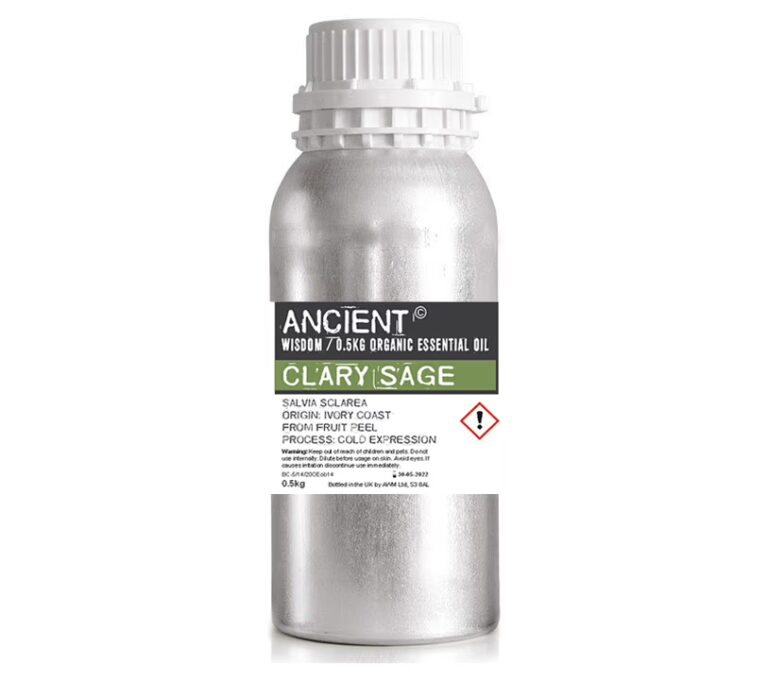
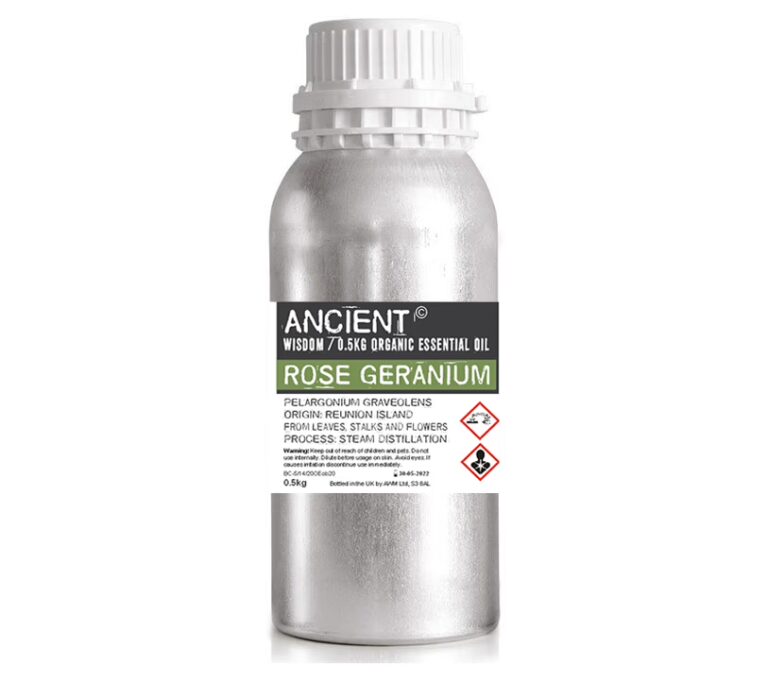
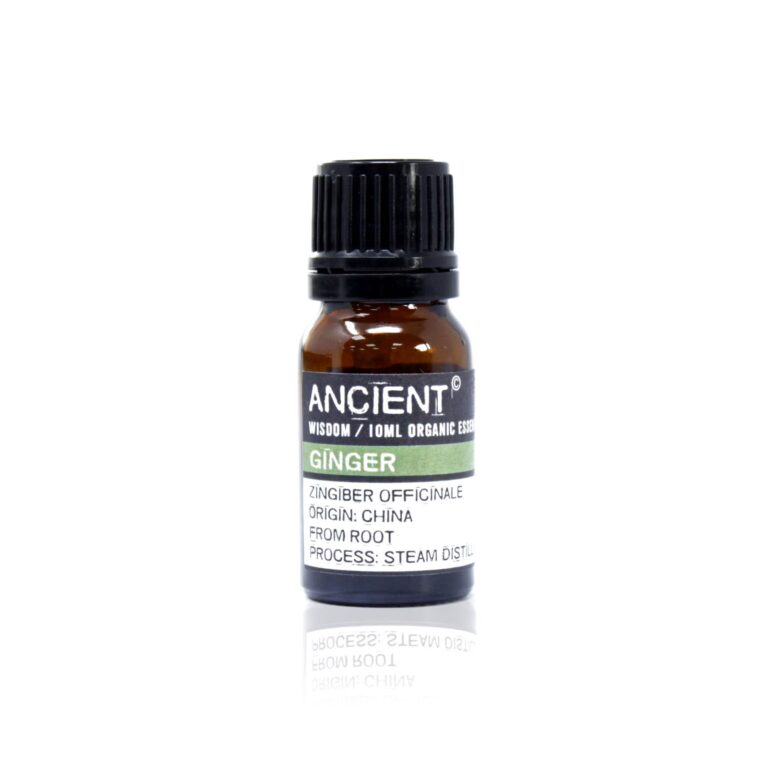
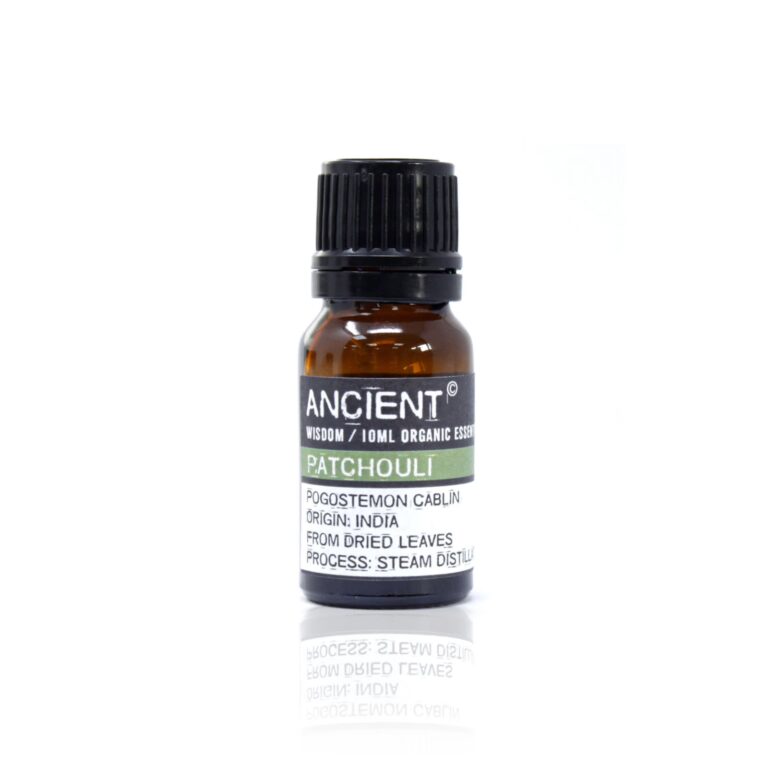
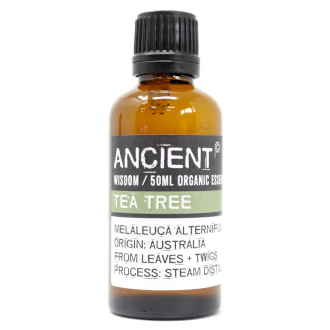
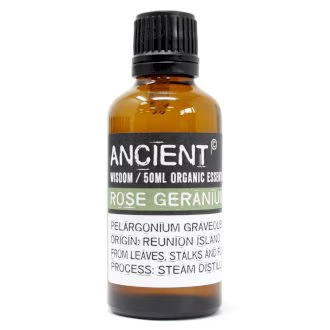
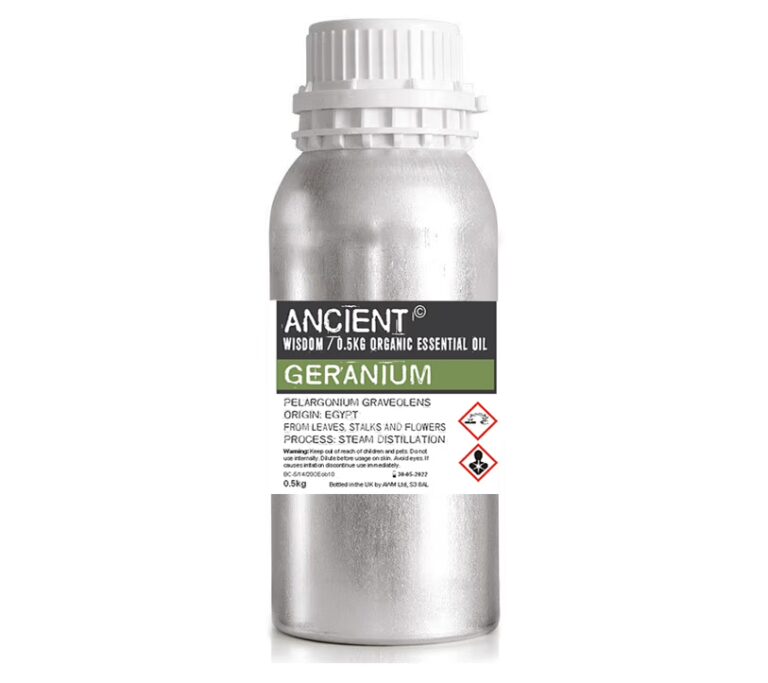
Full Latin botanical name (Mentha piperita, not just « peppermint oil »)
Country of origin
Batch number
« 100% pure » or « undiluted » — though this is not legally regulated, reputable brands use it
GC-MS test results available on request or on their website
3. The Price Test
If a 10ml bottle of Rose damascena (rose Otto) costs less than £30, it is not pure rose essential oil. It takes approximately 60 roses to produce one 10ml bottle of genuine rose Otto. The maths do not work for a £6 price tag.
4. The Fragrance Consistency Test
Pure essential oils smell complex — the scent profile changes from the moment you open the bottle to a few minutes after application. Synthetics smell exactly the same from first sniff to last. This takes experience, but your nose learns quickly.
—
How to Choose a Trustworthy Pure Essential Oil
Given the regulatory gaps in the essential oil industry, here is what to look for when purchasing:
Certifications and Standards
Look for:
Soil Association Organic certification (UK) or COSMOS Organic (EU) — verifies botanical origin and no synthetic pesticides
ABRIC (Association for the British Retailers of Aromatherapy Products) members adhere to codes of practice
ISO 3520 (for tea tree oil) and other individual ISO standards
Reputable Brands with Published GC-MS Reports
Brands that publish third-party GC-MS test results for every batch — including Aroma Sentia’s own ecological essential oil range — are demonstrating transparency that adulterated products cannot fake.
Price as a Signal
Extremely low prices almost always indicate dilution, synthetic blending, or mislabelling. A trustworthy pure essential oil costs what the raw botanical material costs — and some plants are simply expensive to produce in pure form.
Supplier Transparency
If a supplier cannot tell you the botanical name, country of origin, and extraction method of their oils, that is a warning sign. Legitimate suppliers maintain this information as standard practice.
—
Common Adulteration Methods in the Industry
Understanding how oils are commonly adulterated helps you recognise the warning signs:
Dilution with carrier oils — The most common. Soybean oil, sunflower oil, and synthetic equivalents are added to expensive essential oils to increase volume. Detectable with the paper test.
Synthetically isolated compounds added back — Natural compounds are extracted individually in a lab and added to a lower-quality or different essential oil to replicate the chemical profile of a premium oil. Detectable only through GC-MS.
Species misrepresentation — A cheaper species (e.g., Lavandula hybrida, a lavender hybrid) is sold as the more expensive Lavandula angustifolia. Requires botanical knowledge to distinguish.
Extender base fraud — A base of pure but cheaper essential oil (e.g., litsea cubeba) is mixed with a small amount of premium oil and labelled as the premium product.
—
Why « Therapeutic Grade » Is a Marketing Term
You will see bottles labelled « therapeutic grade essential oils » — this has no official legal or scientific definition in the UK or EU. It was coined by doTERRA in 2008 as a marketing phrase, not a quality standard.
What actually matters:
Botanical identity (Latin name on the label)
Organic or sustainably wildcrafted source
Third-party testing (GC-MS reports)
Extraction method disclosed
Storage conditions (light and heat degrade essential oils)
—
Storing Pure Essential Oils Correctly
Even a genuinely pure essential oil will degrade if stored improperly. Essential oils are volatile — they evaporate and oxidise when exposed to heat, light, and oxygen.
Storage best practices:
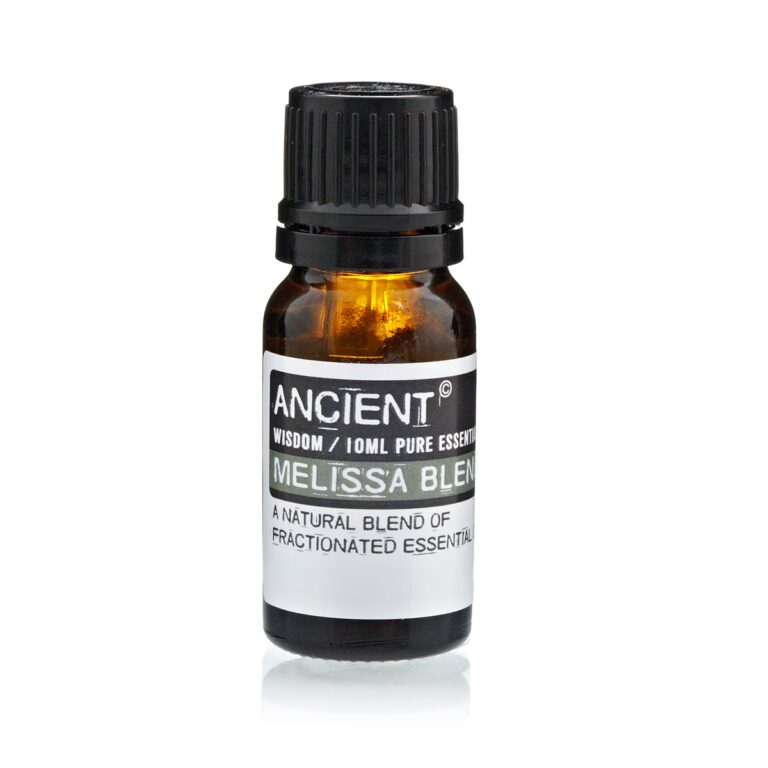
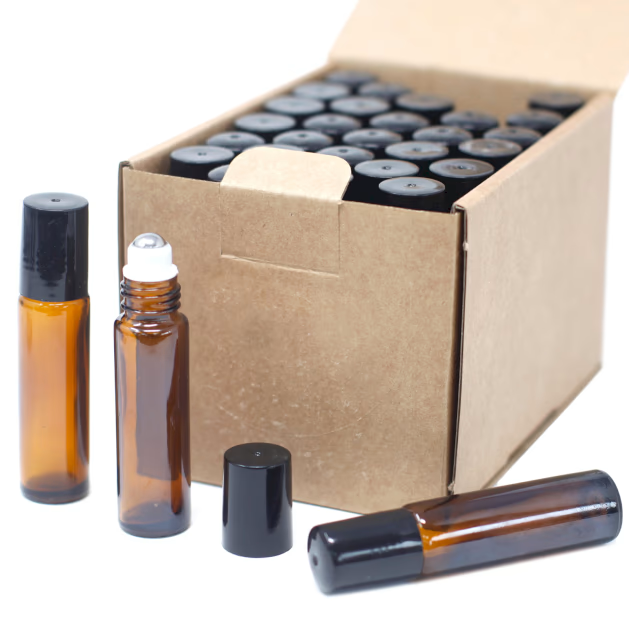
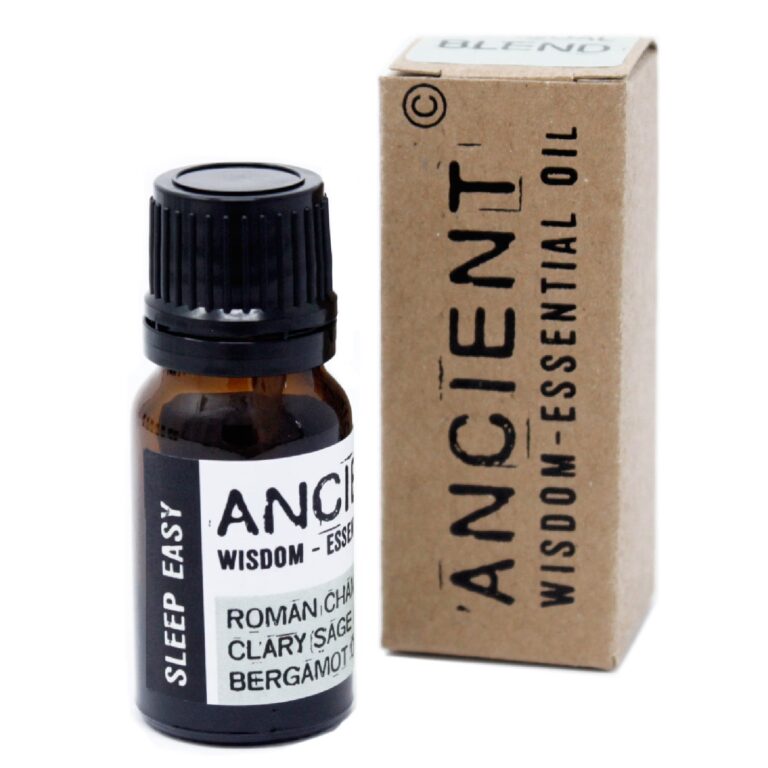
Keep in dark amber or cobalt glass bottles (never plastic, which oils can dissolve)
Store in a cool, dark place — not the bathroom cabinet, where heat and humidity fluctuate
Seal bottles immediately after use to limit oxygen exposure
Use within 2–3 years for most oils (citrus oils degrade faster, within 1–2 years)
Never store in the refrigerator (condensation can introduce water, which accelerates oxidation)
—
The Bottom Line on Pure Essential Oils
The word « pure » on an essential oil label means very little without context. What matters is:
Botanical identity — Look for the Latin name, not just the common name
No additives — No synthetic fragrance compounds, no carrier oil dilution, no preservatives
Transparent sourcing — Country of origin and extraction method disclosed
Third-party testing — GC-MS results available for every batch
Proper storage — Dark glass, cool temperature, sealed immediately
At Aroma Sentia, every essential oil is sourced from traceable ecological farms and supplied with full botanical transparency — because purity is not a marketing claim, it is the baseline standard for anything we sell.